What Are the Top Types of Wood Clad Aluminum Windows?
Wood clad aluminum windows combine a warm, natural wood interior with a durable aluminum exterior. The pairing can suit a traditional home, a clean-lined renovation, or a room where the window frame remains visible. Yet “top types” can mean different things: wood species, exterior finishes, frame profiles, or operating styles. A useful comparison should separate these choices rather than treat every window as the same product.
Architect Louis Kahn, an influential authority on building design, once said, “The sun never knew how great it was until it hit the side of a building.” His words point to why window design matters: frames shape daylight, views, and a room’s character. That matters. For wood-clad aluminum windows, the interior species sets much of the visual tone. Pine often offers a lighter, more accessible look; oak brings pronounced grain; mahogany tends toward a deeper, richer appearance; and fir has a straighter grain. Availability and finishes vary by manufacturer, so these names alone do not guarantee a particular result.
The sections that follow compare common wood choices, aluminum colors and finishes, and styles such as casement, awning, and fixed windows. They also consider details that are easy to overlook, including glazing, hardware, maintenance needs, and installation conditions. Look closely. A dark exterior frame may sharpen a modern façade, while clear-finished oak can feel substantial indoors. No option is perfect. The right choice depends on the home, the climate, the budget, and the details a homeowner is willing to maintain.
What Defines a Wood-Clad Aluminum Window?
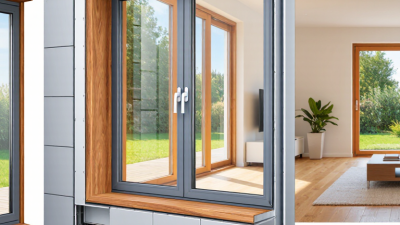
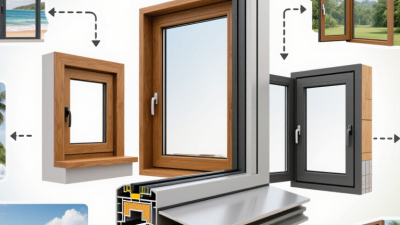
A wood-clad aluminum window combines two materials in one frame. Wood is typically visible indoors, while aluminum covers the exterior surfaces exposed to rain, sun, and wind. This pairing gives a room the warmth of a timber frame and adds a durable outer layer. The wood species, aluminum thickness, and frame design can vary, so the term does not describe one exact construction. Nor does it guarantee a particular energy rating; glazing, seals, and installation matter too.
Tips: Check how the exterior corners are joined and where water drains. Ask about interior wood finishes and inspect a sample in daylight. Small details count.
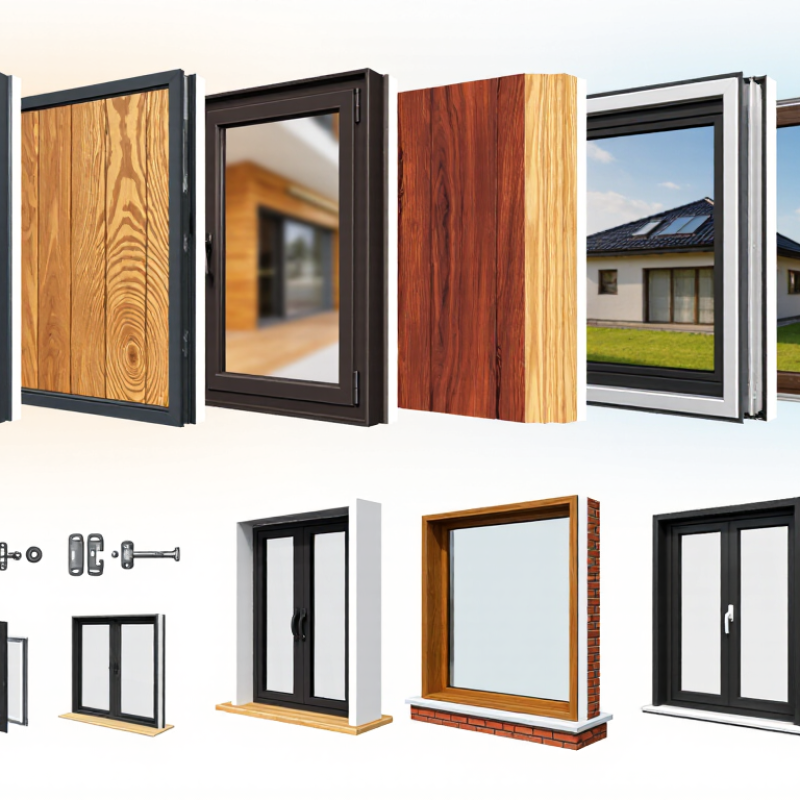
The aluminum cladding can reduce routine exterior painting, but it does not make a window maintenance-free. Seals, drainage paths, and moving parts still need occasional attention. A useful way to compare options is to look at frame sections, not just photographs. You may notice different profiles, colors, and opening styles, such as casement or tilt-and-turn designs. One thing is easy to miss: a slim frame may look elegant, yet the actual glass area and performance depend on its full construction. I would avoid assuming that all wood-clad aluminum windows age the same way; exposure and upkeep make a difference.
What Are the Main Types by Opening Style?
Wood-clad aluminum windows come in several opening styles, each shaping airflow, views, and daily use.
Casement windows swing outward on side hinges, giving a wide opening and a direct breeze.
Awning windows hinge at the top, so they can admit air during light rain.
Double-hung windows slide vertically; their tilt-in sashes can make interior cleaning easier.
Sliding windows move horizontally and suit wider openings, though only part of the frame opens.
Fixed units do not open at all. They frame a view well, but provide no ventilation.
Performance depends on more than style. ENERGY STAR Version 7.0 sets a maximum U-factor of 0.22 for qualifying residential windows in the Northern climate zone.
That figure applies to the rated window assembly, not to every casement or double-hung window. Check the NFRC label for the specific unit’s U-factor and solar heat gain coefficient before comparing options.
A tightly shut casement may resist drafts, but worn weatherstripping or a loose latch can undermine that advantage.
This is where a simple ranking fails. Consider the room, local weather, cleaning access, and who will operate the sash each day.
How Do Casement and Awning Windows Differ?
Casement and awning windows are two common styles in wood-clad aluminum designs. A casement window is hinged on one side and swings outward, usually with a crank. Its sash can catch passing breezes and direct air into a room. That can be useful above a kitchen sink or beside a desk. Check the exterior clearance before choosing one; a walkway, shrub, or narrow balcony may limit how far it can open.
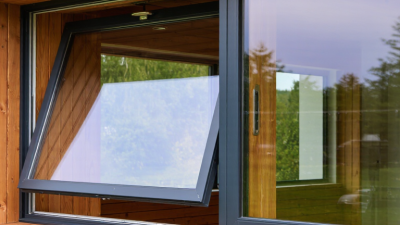
An awning window is hinged at the top and tilts outward from the bottom. The glass forms a small canopy, so the window can often admit air during light rain. It is often placed above or below other windows, though the view may feel more limited than through a wide casement.
Neither style is automatically better. Room layout, wind exposure, screen placement, and reach all matter. With wood-clad aluminum, the interior wood adds a warm finish, while the exterior aluminum reduces routine exposure of the wood to weather.
Still, inspect seals and hardware over time. I would not assume the cladding makes maintenance disappear; that expectation is a little too optimistic.
What Are the Features of Sliding, Double-Hung, and Fixed Windows?
Wood-clad aluminum windows combine a wood interior with an aluminum exterior, pairing a natural room-side finish with a weather-facing layer. The opening style affects airflow, cleaning, and furniture placement. Sliding windows move horizontally along tracks, making them practical for wide openings or spots beside counters and patios. No outward swing. Keep the tracks clear; grit can make the sash drag.
Double-hung windows have two vertically moving sashes. Many models tilt inward, which can make cleaning easier from indoors. Opening the top and bottom may encourage air movement, though ventilation depends on the opening size and room layout. They can suit locations where a sash swinging outward would meet a walkway. Check the locks, balances, and seals before choosing. A stiff sash is not a small annoyance.
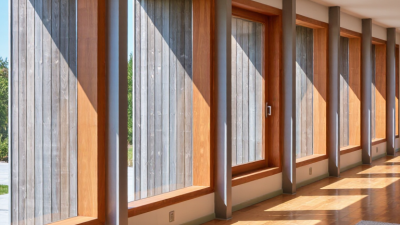
Fixed windows do not open, but their broad, uninterrupted glass can bring in daylight and frame a view. They can be paired with operable windows when a room needs both light and ventilation. That combination deserves careful thought: more glass is not always better in strong sun or exposed locations. Compare glazing, drainage details, and installation quality, not just frame material. The interior wood may still need care, and aluminum cladding cannot compensate for poor installation.
What Are the Top Types of Wood-Clad Aluminum Windows? Features of Sliding, Double-Hung, and Fixed Windows
Note: Actual energy efficiency, weather resistance, cleaning options, and operating features vary by product design, glazing, installation, and local conditions. Check the specifications for the selected window and confirm applicable ventilation and emergency-egress requirements.
How Do Wood Species and Aluminum Finishes Vary?
Wood species shape the room’s look and feel. Oak has a pronounced grain that remains visible beneath clear finishes, while maple offers a smoother, more even surface. Pine often shows knots and softer grain, which can suit a relaxed interior but may mark more easily. Mahogany tones tend to appear richer, though color varies with the cut and finish. A practical choice. Compare actual samples, not just photographs; wood can look warmer or cooler beside flooring and in changing daylight.
On the exterior, aluminum commonly comes in anodized or painted finishes. Anodizing preserves a metallic appearance, while powder coating can offer a wider range of colors and surface textures. The right option depends on the desired look, exposure, and the manufacturer’s specifications. Dark finishes can absorb more heat in direct sun, so ask how the selected system handles local conditions. Check color samples outdoors, too. A small swatch may not reveal how a full window reads against siding. Finish names can sound precise, but color matching is not always exact, and that detail deserves a second look. Inspect cleaning guidance and finish coverage before choosing.