
How to Choose Wood Clad Aluminum Windows for Your Home? Switch to ADA Accessible Theme My windows protect me from: Triple digit heat and Disruptive noise.
Close Menu

Blog

How to Choose Wood Clad Aluminum Windows for Your Home?

Choosing wood clad aluminum windows is not merely a style decision. It is a long-term building decision involving weather, maintenance, comfort, and budget. These windows combine an interior wood surface with a protective aluminum exterior. The result can feel warm indoors while resisting rain, sunlight, and seasonal exposure outdoors.

Building scientist Joseph Lstiburek often reminds professionals, “A window is a hole in a wall.” That simple sentence deserves attention. The frame, glass, flashing, and installation must work together. Even an excellent product can leak when the opening is poorly prepared. That detail is easy to underestimate.

The right wood clad aluminum windows should match your climate and the character of your home. In a wet region, examine exterior finish quality, drainage paths, and sill protection. In a cold climate, compare thermal breaks, glazing options, and air-leakage ratings. A south-facing window may need different glass from a shaded north-facing opening.

Look closely at the wood species, too. Oak, pine, and mahogany create different textures, costs, and maintenance expectations. Ask how the interior finish handles kitchen humidity, condensation, and daily cleaning. Small samples can mislead. View full-size profiles whenever possible.

Do not choose only by appearance. Review independent performance data, warranty terms, installation instructions, and local installer experience. Energy ratings matter, but comfort also depends on orientation and ventilation. This guide will examine those practical factors, including the compromises homeowners sometimes discover too late. Perfect windows do not exist. Better decisions come from understanding their limits.
How to Choose Wood Clad Aluminum Windows for Your Home?

Understand Wood-Clad Aluminum Window Construction and Benefits

How to Choose Wood-Clad Aluminum Windows for Your Home?

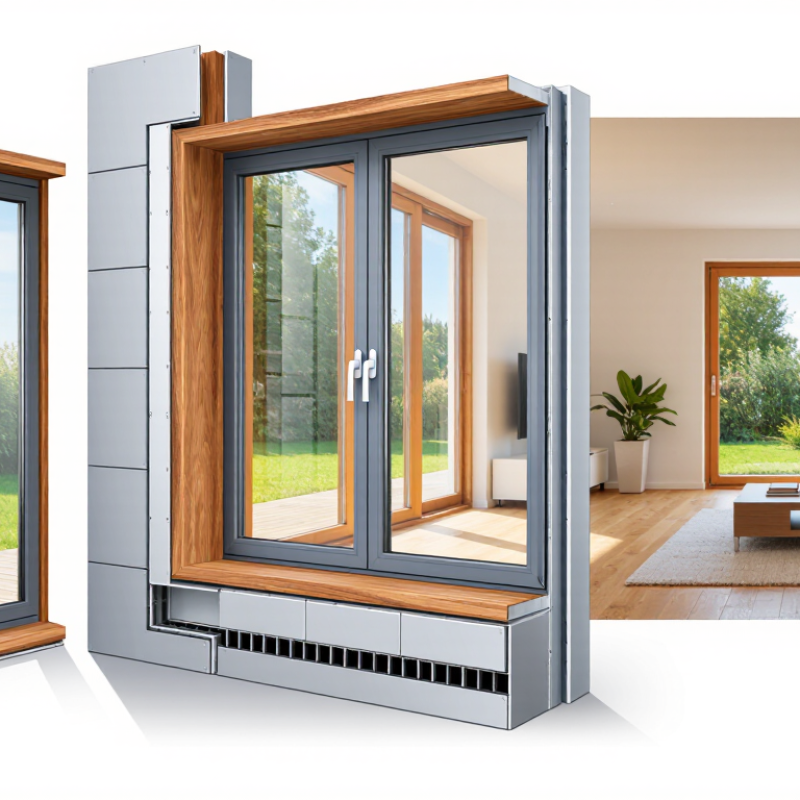
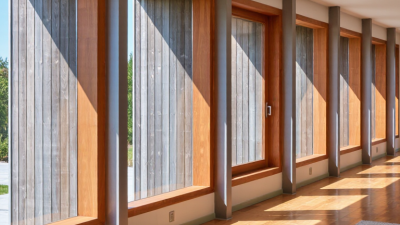
Wood-clad aluminum windows combine two distinct materials in one frame. The interior uses finished wood, which adds warmth and can be painted or stained. The exterior uses aluminum cladding for better resistance to rain, sunlight, and temperature changes. That layer matters.

Inside the frame, a thermal break helps reduce heat transfer between the indoor and outdoor surfaces. Insulated glass, low-emissivity coatings, and properly sealed edges can improve comfort and energy performance. However, these features work best when the window is correctly sized and installed. A small gap around the frame can cause drafts, moisture, or uneven operation.

During site inspections, installers often check drainage paths, flashing, and sill protection before judging window quality. Water must move away from the wood core, not collect behind the cladding. Wood still needs periodic inspection, especially in humid rooms or exposed elevations. Aluminum can resist weather well, but it may dent and does not hide poor installation.

I once saw a well-built window perform poorly because the surrounding flashing was incomplete. The product was not the only problem.

When comparing options, examine the details.

When comparing options, examine the wood species, cladding thickness, joint design, glass specifications, warranty limits, and maintenance instructions. Request performance data for air leakage, water resistance, and thermal insulation. A larger window may offer more daylight, yet it can require stronger framing and careful structural support. Good selection depends on the whole opening, not appearance alone.
Assess Your Home’s Climate, Architecture, and Window Requirements

Choosing wood clad aluminum windows starts with your local climate, not the showroom display. In cold regions, prioritize low U-values and warm-edge spacers to reduce heat loss and interior condensation. In hot, sunny areas, compare solar heat gain ratings and consider exterior shading. Coastal homes need durable aluminum finishes and carefully sealed joints because salt air can damage exposed surfaces.

Your home’s architecture should guide the window proportions, sightlines, and opening styles. A traditional house may suit divided lights and deeper wood profiles. A modern home often benefits from narrow frames and larger glass areas. Check the wall depth before ordering. I have seen attractive replacements fail because the frame did not align with existing trim or insulation.

Define each room’s practical needs. Bedrooms may require operable windows for ventilation and emergency escape. Street-facing rooms often benefit from acoustic glass, while south-facing spaces may need glare control. Measure rough openings more than once. Small errors become expensive after fabrication. Local building requirements also matter, especially for safety glazing, energy performance, and installation anchoring.

Wood interiors need periodic inspection, even when aluminum protects the exterior. Look for moisture near sills, peeling finishes, or stubborn operation. A perfect specification can still perform poorly when installation is rushed. Ask for documented performance data, certified testing, and a written maintenance schedule. I would also question whether every large window is practical; sometimes a smaller, well-positioned unit gives better comfort and daylight.

Compare Wood Species, Aluminum Finishes, Glass, and Energy Ratings

Choosing wood clad aluminum windows starts with the wood species. Pine usually costs less and insulates well, while oak offers a harder, more pronounced grain. Accoya? Brand, avoid. Sapele and other dense hardwoods resist dents but add weight and expense. In humid rooms, careful finishing matters more than a beautiful sample. I would not choose by appearance alone.

The aluminum exterior needs a durable finish and a thermal break. Powder-coated surfaces can handle rain and ultraviolet exposure, but dark colors may absorb more heat. The U.S. Department of Energy reports that windows can represent 25–30% of residential heating and cooling energy use. A thermally separated frame can reduce conductive heat transfer, although installation gaps may weaken its benefit. Small details matter.

Glass selection should match the climate and room orientation. Low-emissivity coatings reduce radiant heat transfer, while double glazing suits moderate climates and triple glazing can improve comfort in colder regions. The National Fenestration Rating Council evaluates U-factor, solar heat gain coefficient, visible transmittance, and air leakage. Lower U-factor generally means better insulation; lower SHGC limits unwanted summer heat. Ask for certified ratings, not vague claims. A 2023 Lawrence Berkeley National Laboratory analysis also found that efficient windows can reduce household energy demand, but savings vary with weather, shading, and occupant behavior. That uncertainty deserves attention.

Evaluate Sizes, Styles, Installation Methods, and Maintenance Needs

Choosing wood-clad aluminum windows starts with accurate sizing. Measure the rough opening, wall depth, and sill height, not only the visible glass area. Oversized units may improve daylight, but they increase weight, cost, and installation risk. The U.S. Department of Energy estimates that windows can account for up to 30% of residential heating and cooling energy use. Therefore, compare the National Fenestration Rating Council’s U-factor and solar heat gain coefficient, rather than judging performance by appearance alone.

Style should follow climate and daily use. Casement windows usually offer tighter closure, while sliding units need less clearance outside. Wood interiors add warmth, but aluminum exteriors handle rain and ultraviolet exposure better. Installation remains critical. Industry guidance recommends continuous flashing, a sloped sill, backer rod, and a flexible exterior sealant. Poor drainage can damage the wood core, even when the window itself is well engineered. I would not trust a perfect-looking frame installed over a questionable opening.

Tips: Order a site inspection before final sizing. Ask for documented U-factor, solar heat gain, air leakage, and water-resistance ratings. Check whether the installer follows current fenestration installation standards. Leave access for repainting or recoating interior wood. Inspect joints each spring for cracked sealant, soft wood, or trapped moisture. Maintenance is often underestimated. It is not difficult, but it is easy to postpone. A simple cleaning and inspection schedule may protect both appearance and warranty expectations.

Review Suppliers, Warranties, Pricing, and Long-Term Value

How to Choose Wood Clad Aluminum Windows for Your Home?

A dependable supplier should explain timber species, aluminum thickness, glazing options, and installation methods clearly. Ask for full-size samples, not only website images. Check the wood joints, corner seals, drainage paths, and exterior coating under natural light. A useful supplier also provides thermal data, maintenance guidance, and references from similar climates. Visit a completed project if possible. Small details often reveal more than polished brochures.

Compare warranties line by line. A ten-year frame warranty may exclude glass, finishes, hardware, and installation labor. Confirm who handles service calls and how quickly replacement parts arrive. Ask whether improper cleaning, coastal air, or condensation affects coverage. Written answers matter. Verbal promises fade.

Pricing should include delivery, flashing, removal, interior trim, taxes, and professional installation. The lowest quote can become expensive when openings require extra preparation. Request an itemized proposal with identical specifications. Wood clad aluminum windows may cost more initially, but stable interiors, reduced repainting, and efficient glazing can improve long-term value. Still, maintenance is not zero. Interior wood may need occasional refinishing, especially near kitchens or humid rooms. I would also question optimistic savings estimates, because window performance depends on installation quality, shading, and household habits.

*$250 Off/Window $500 Off/Door. Minimum of 4 Windows. Max savings not to exceed $2,500. Must present coupon at time of estimate. Some restrictions apply. Cannot be combined with any other offers. Call or see the website for details. www.mpwindowsanddoors.com. Offer Expires 9/30/25. CSLB# 778326. 100% Employee Owned.

Contractor's License CSLB #778326.