
How to Choose Wood Clad Windows in 2026? Switch to ADA Accessible Theme My windows protect me from: Triple digit heat and Disruptive noise.
Close Menu

Blog

How to Choose Wood Clad Windows in 2026?

Choosing wood clad windows in 2026 requires more than comparing frame colors and showroom samples. These windows combine warm interior wood with protective aluminum or fiberglass exteriors. That combination can suit historic homes, modern renovations, and high-performance new builds. Yet every site behaves differently. Climate, window orientation, installation quality, and maintenance expectations matter.

The U.S. Department of Energy reports that windows can account for about 25% of residential heating and cooling energy use. That figure makes glass selection especially important. The National Fenestration Rating Council advises buyers to compare U-factor, solar heat gain coefficient, visible transmittance, and air leakage ratings. ENERGY STAR also applies climate-specific performance criteria. A lower U-factor generally helps limit winter heat loss. However, excessive solar control can reduce useful winter warmth in some locations.

Look closely at the NFRC label. Check the rough opening, not only the advertised size. A south-facing window may need different glass than a shaded north-facing unit. Coastal homes need careful attention to finish durability, fasteners, and warranty coverage. Ask installers how they will flash the sill, seal the jambs, and manage drainage. Small installation errors can undermine an expensive frame.

No model wins everywhere. Wood clad windows still need inspection, even with durable exterior cladding. A polished brochure cannot replace a site-specific assessment. This guide uses manufacturer documentation, NFRC standards, ENERGY STAR criteria, and practical installation experience to support a more reliable 2026 decision. Some recommendations may need adjustment. That is the honest part.
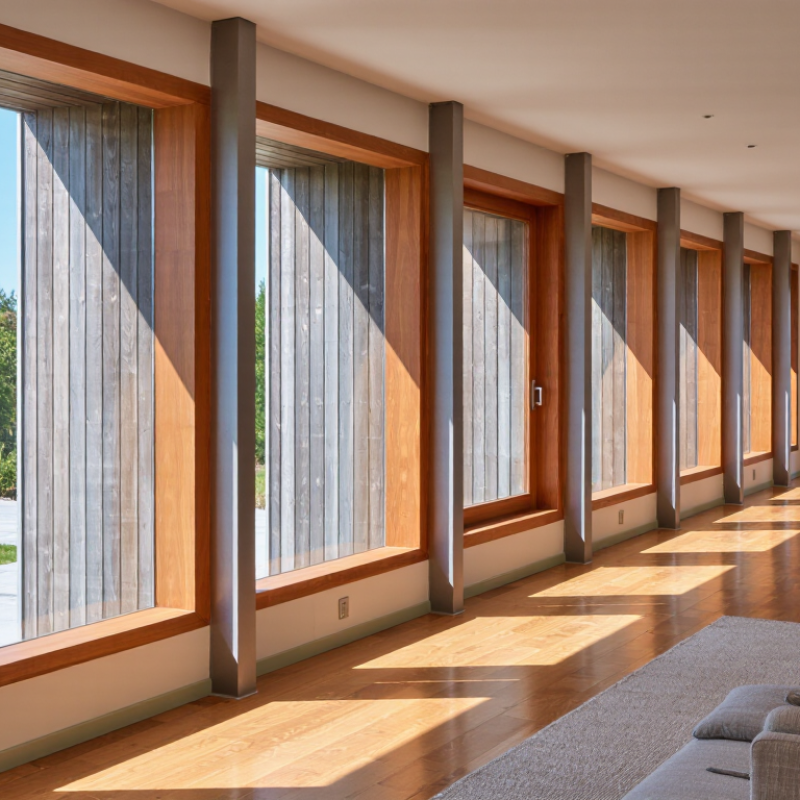
How to Choose Wood Clad Windows in 2026?

What Wood Clad Windows Are and How They Work

Wood-clad windows combine a warm wood interior with a protective exterior layer. The indoor wood provides natural texture and can be painted or stained. The outer cladding resists rain, sunlight, and temperature changes. Together, these layers create a practical balance between appearance and durability.

Inside the frame, insulated glass reduces heat transfer through sealed air or gas spaces. Low-emissivity coatings can limit winter heat loss and summer heat gain. Weather seals press against the sash when the window closes. Flashing directs water away from the wall opening, while small drainage paths release trapped moisture. These details matter more than attractive showroom samples.

During a site inspection, I would check the sill, corner joints, and exterior finish for weak points. Poor installation can damage even a well-made window. I would also compare the window’s U-factor, solar heat gain coefficient, ventilation rating, and local energy requirements. A lower U-factor is not automatically ideal in every climate. That assumption needs reconsideration. In humid regions, careful sealing and drainage may matter more than a slightly better laboratory rating. Wood also needs reasonable indoor humidity control, or it may swell, shrink, or develop surface cracks over time.
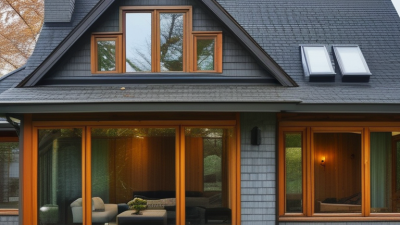
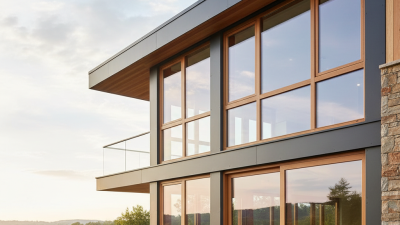
How to Compare Wood Clad Window Materials and Construction

Choosing wood-clad windows in 2026 requires more than comparing frame prices. Compare materials, layers, and assembly details. Wood-clad units usually combine an interior wood frame with an exterior aluminum or fiberglass shell. The shell resists rain and ultraviolet exposure. The wood improves warmth and appearance.

According to the U.S. Department of Energy’s Energy Saver guidance, windows can represent 25–30% of a home’s heating and cooling energy use. That makes the NFRC label essential. Compare U-factor, solar heat gain coefficient, visible transmittance, and air leakage. Lower U-factor generally means better insulation. However, the lowest number may not suit every climate. A sunny room may need a different SHGC than a shaded bedroom.

Material matters. Interior wood species differ in density, movement, and finishing performance. Aluminum cladding is durable, but its thermal breaks deserve inspection. Fiberglass cladding can reduce expansion concerns, yet its profiles may feel less traditional.

Ask for section drawings, not only showroom samples. Check corner joints, drainage paths, glazing spacers, and sill protection. A factory-applied finish is helpful, but it is not maintenance-free.

Construction quality can defeat good materials. Look for continuous weather barriers and mechanically secured cladding. Field installation also matters. DOE research repeatedly links air leakage with energy loss, but published ratings cannot predict every jobsite mistake. I would not trust a perfect label blindly. The weak point may be the installer, the flashing, or an overlooked transition between materials.

How to Evaluate Energy Efficiency, Glass, and Weather Resistance

How to Choose Wood Clad Windows in 2026?

How to Evaluate Energy Efficiency, Glass, and Weather Resistance

When choosing wood clad windows in 2026, judge performance before appearance. A warm interior surface is pleasant, but measurable ratings matter more. Ask for the whole-unit U-factor, not only the center-of-glass value. A lower U-factor usually means less heat loss during cold weather. Check the solar heat gain coefficient for your climate and window orientation. South-facing glass may need a lower rating in hot, sunny regions. Cold climates can benefit from useful winter solar gain. That choice is not universal.

Look for double or triple insulating glass units with durable low-emissivity coatings. Warm-edge spacers can reduce heat loss and interior condensation along the perimeter. Argon-filled cavities help, but gas performance depends on a sound seal. Ask whether testing covers air leakage, water penetration, and structural pressure. Independent certification gives these claims more weight than a sales brochure.

In field inspections, excellent glass sometimes underperforms because the frame was poorly fitted. Small gaps invite cold drafts.

Wood interiors need careful protection from indoor moisture, while exterior cladding must shed rain. Inspect corner joints, drainage paths, sill slopes, and the seal between frame and wall. A window can resist heavy rain, yet fail when flashing is incomplete.

Check installation instructions before comparing products. Real projects are rarely perfect. Thermal bridges, shading changes, and neglected maintenance can alter expected results.

Choose a design with replaceable weather seals and accessible drainage channels. Request written warranty terms and test reports, then question unclear exclusions. Wood windows demand honest maintenance.

How to Match Window Styles, Sizes, and Installation Requirements

Choosing wood-clad windows starts with the wall, not the catalog. Study room orientation, weather exposure, and the existing opening. South-facing glass may need solar control in bright climates. Windy elevations often require stronger anchoring and careful water management. Style should suit the architecture, but operation matters too. A beautiful fixed unit cannot ventilate a damp bathroom.

Measure width and height at several points, then record the smallest dimensions. Old openings are rarely perfectly square. Leave the recommended installation gap for shims, insulation, and natural movement. Do not force a large frame into a tight opening. Check header support, sill condition, and exterior drainage before ordering. Replacement work can expose hidden rot. Plan for it. Verify local energy, egress, safety-glazing, and historic-district requirements before fabrication.

Installation details protect wood more than finish alone. Use a sloped sill, compatible flashing, a back dam, and a continuous air seal. Keep exterior cladding clear of standing water and direct runoff away from joints. A qualified installer should confirm plumb, level, square, and smooth operation. Ask for photos of flashing stages, not only the finished trim. One practical mistake is treating every window as identical. They are not. Recheck dimensions after demolition, because the final opening may change. That pause can prevent costly adjustments and poor weather performance.

How to Assess Costs, Maintenance, Warranties, and Long-Term Value

How to Choose Wood Clad Windows in 2026?

Wood clad windows combine a warm interior surface with an exterior protective layer. The choice looks simple, but long-term value depends on details. The U.S. Department of Energy estimates that windows can influence 25–30% of household heating and cooling energy use. Ask for tested U-factor, solar heat gain coefficient, air leakage, and visible transmittance ratings. These figures matter more than attractive showroom samples.

Initial price is only one part of ownership. Compare installation, repainting, hardware replacement, and glass repairs over 20 years. The 2024 Cost vs. Value Report from Zonda estimated a 63.5% cost recovery for wood window replacement. That is useful, but not a guaranteed return. Local labor, climate, and resale demand can change the result. I would also request a written warranty covering glass, cladding, finish, hardware, and installation separately. “Limited lifetime” can still contain exclusions.

Tips: Place a sample near a sunny window before ordering. Check corner joints, drainage paths, finish quality, and operating force. Read every warranty page, including maintenance duties. The National Fenestration Rating Council recommends comparing independently verified performance ratings. Keep the report with your project records. A small mistake here can become an expensive draft later. Personally, I would budget for periodic inspection, even when the exterior appears maintenance-free. That assumption is often too optimistic.

*$250 Off/Window $500 Off/Door. Minimum of 4 Windows. Max savings not to exceed $2,500. Must present coupon at time of estimate. Some restrictions apply. Cannot be combined with any other offers. Call or see the website for details. www.mpwindowsanddoors.com. Offer Expires 9/30/25. CSLB# 778326. 100% Employee Owned.

Contractor's License CSLB #778326.