
Choosing wood clad aluminum windows is more than comparing colors, glass packages, and showroom samples. These windows combine a warm timber interior with a protective aluminum exterior. That combination can suit traditional homes, modern renovations, and demanding climates. Yet the wrong specification may create drafts, difficult maintenance, or disappointing energy performance.
Details matter.
A reliable decision begins with the building’s exposure, orientation, and daily use. A south-facing room may need solar control glass, while a shaded bedroom may benefit from higher visible light transmission. Coastal properties require careful attention to coatings, fasteners, drainage, and warranty terms. Moisture management matters too. I have seen beautiful window samples fail to impress when installation gaps were poorly sealed or interior wood was neglected.
This guide presents seven practical tips for evaluating wood clad aluminum windows. It considers timber species, aluminum finishes, glass performance, hardware, installation quality, maintenance, and long-term value. Manufacturer test results can reveal air leakage, water resistance, and structural performance. However, published ratings do not replace an experienced local installer’s judgment. Climate, wall construction, and workmanship can change the outcome.
There is no perfect window for every project. Sometimes, a lower-cost option appears sensible until repainting, hardware replacement, or thermal loss changes the calculation. Think beyond the first invoice. Examine samples closely, ask direct questions, and compare written specifications rather than relying on attractive photographs. A careful choice may not be the cheapest today, but it should feel dependable years later.
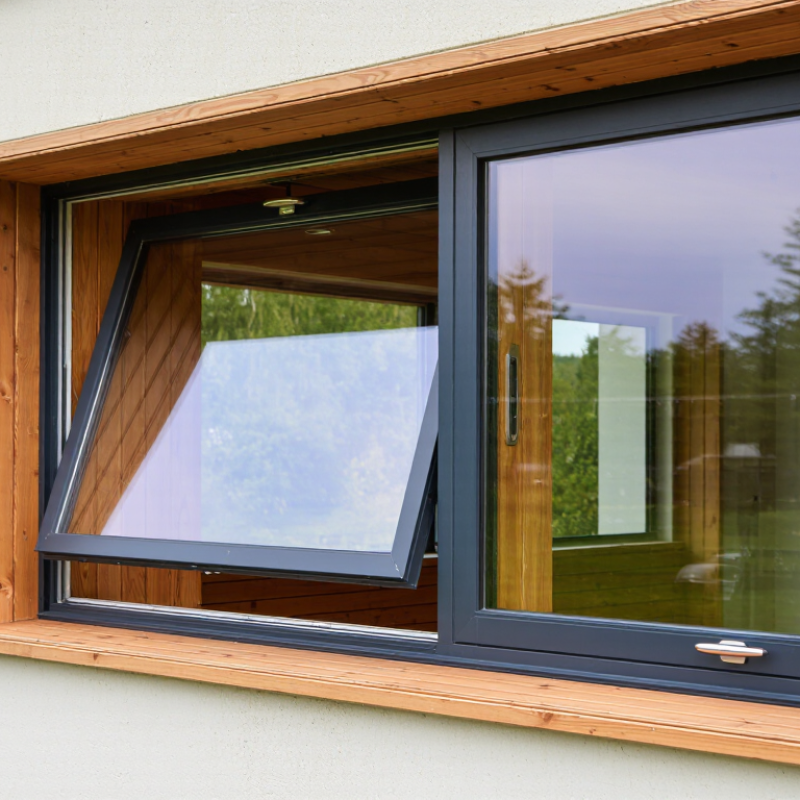
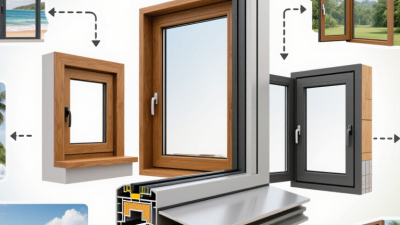
Wood-clad aluminum windows combine an interior wood frame with an exterior aluminum shell. Wood improves warmth, texture, and interior comfort. Aluminum resists rain, ultraviolet exposure, and routine exterior wear. The design is not maintenance-free, however. Inspect joints, coatings, and drainage paths every year.
Use seven climate-focused checks before ordering: define the climate zone; compare U-factor; review solar heat gain coefficient; verify air leakage; inspect water resistance; confirm glass spacing; and study installation details. The U.S. Department of Energy reports that windows can cause 25–30% of residential heating and cooling energy use. That figure makes glass and frame performance worth measuring, not guessing.
ASHRAE Standard 169-2021 helps classify climate conditions, while NFRC ratings provide comparable U-factor and SHGC data. In cold climates, lower U-factor glass can reduce interior heat loss. In hot, sunny regions, a lower SHGC may limit afternoon heat. Coastal or storm-prone locations need tested water penetration and structural performance. Ask for certified test results, not only attractive samples. On site, I have seen excellent windows underperform because installers compressed flashing or missed sill drainage. That is the uncomfortable detail: product selection cannot correct careless installation. A local energy audit and orientation-specific review can reveal mistakes before the first frame is ordered.
Choosing wood clad aluminum windows requires more than comparing frame colors and glass styles. The NFRC label offers measurable clues about comfort, energy use, and daylight. Start with the U-factor. A lower number generally means better resistance to heat transfer. This matters during cold winters, especially near a window seat or bedroom wall. However, an excellent U-factor cannot correct poor installation.
Check the Solar Heat Gain Coefficient, or SHGC, next. Lower SHGC values reduce unwanted summer heat, while higher values can provide useful warmth in colder climates. Window direction matters. South-facing glass may need a different rating from shaded north-facing glass. Climate changes everything. Visible Transmittance, or VT, shows how much natural light enters the room. Higher VT can brighten a hallway, but it may also increase glare on a computer screen. Consider curtains, nearby trees, and interior finishes before choosing the highest number.
Read the label. Compare ratings under the same testing system. In practical project reviews, I also examine air leakage, condensation resistance, and installation details. These factors are not replacements for U-factor, SHGC, or VT, but they affect real performance. A carefully selected window can still disappoint if flashing is incomplete or the opening is poorly sealed. I once focused too heavily on insulation values and underestimated afternoon glare. That was a useful correction. The best choice balances climate, orientation, daylight, and how the room is actually used. Numbers need context.
| Tip | What to Compare | Relevant NFRC Rating or Feature | Useful Screening Guidance | Why It Matters | Questions to Ask Before Choosing |
|---|---|---|---|---|---|
| 1 | Start with whole-window thermal performance | U-Factor Reported in Btu/(h·ft²·°F) |
Lower values indicate less heat transfer. For many energy-efficient residential windows, a whole-window U-factor around 0.20–0.30 is a useful comparison range, although local code, climate, glazing, size, and configuration affect the final rating. | U-factor includes the complete fenestration product rather than just the center of the glass. A lower value can help reduce winter heat loss and heating demand. | Is the published U-factor for the complete window, including the frame, sash, spacer, and glazing? Is it based on the exact size and configuration being purchased? |
| 2 | Match solar gain to the climate and orientation | SHGC Solar Heat Gain Coefficient, rated from 0 to 1 |
Lower SHGC generally reduces unwanted solar heat gain in cooling-dominated conditions. A higher SHGC can be beneficial where winter solar heating is desired, especially on well-shaded or properly oriented south-facing glass. | SHGC affects cooling loads, passive solar heating, glare, and interior comfort. The best value depends on climate, shading, window orientation, and glass area. | Will the window face north, south, east, or west? Are overhangs, exterior shades, trees, or nearby buildings likely to block or increase direct sunlight? |
| 3 | Check daylight without ignoring glare | Visible Transmittance (VT) Rated from 0 to 1 |
Higher VT allows more visible light into the room. Clear double-glazed units often transmit more daylight than heavily tinted, coated, or laminated configurations, but the exact value depends on glass coatings, panes, spacers, and frame area. | VT helps compare daylight potential, while it does not directly measure glare, color quality, or view quality. A high VT may need to be balanced with shading in bright exposures. | Is the listed VT for the complete window or only the glass? Does the proposed glass provide enough daylight for the room without creating excessive glare? |
| 4 | Compare the glazing package, not just the frame material | Glazing construction Pane count, gas fill, low-emissivity coating, and spacer |
Double glazing is common; triple glazing can improve insulation but may add weight, cost, and frame requirements. Low-emissivity coatings and inert-gas fills can change U-factor, SHGC, and VT together. | The aluminum exterior protects the wood from weather, but the glass and edge-of-glass system strongly influence energy performance, condensation risk, daylight, and appearance. | How many panes are included? Which surfaces have low-emissivity coatings? Is the gas fill retained by a durable edge seal? What spacer material is used? |
| 5 | Evaluate air leakage and water resistance | NFRC/industry performance data Air leakage, water penetration, and structural performance |
Lower air-leakage values generally indicate a tighter product. Water resistance and structural ratings should be reviewed for the local exposure, building height, wind conditions, and installation location. | A low U-factor cannot compensate for drafts, water intrusion, or poor installation. Wood interiors also require reliable exterior protection and drainage details. | What are the tested air-leakage and water-penetration results? Does the product include sill drainage, weep paths, compatible flashing, and installation instructions? |
| 6 | Inspect the wood-to-aluminum weather barrier | Cladding and finish details Aluminum coverage, joints, drainage, and interior wood finish |
Look for continuous exterior cladding, sealed or engineered joints, positive drainage, durable finishes, and a well-protected wood interior. Aluminum cladding reduces exterior maintenance but does not eliminate the need for correct installation and periodic inspection. | The interface between wood and aluminum is important for moisture management, durability, appearance, and long-term operation. | How are cladding joints drained and sealed? Can damaged exterior finishes be repaired? What maintenance is required for the interior wood and exterior coating? |
| 7 | Verify the label, configuration, and installation details | NFRC label and installation compatibility Product type, size, operation, and certified ratings |
Compare products using the same operating style, dimensions, glazing package, and number of panes. Confirm that the NFRC ratings apply to the exact configuration rather than a different sample or promotional glass option. | Casement, awning, fixed, single-hung, and sliding windows can have different performance results. Installation quality also affects real-world energy and moisture performance. | Does the NFRC label identify the exact product and configuration? Are the ratings current? Is the installer following the manufacturer’s flashing, fastening, insulation, and air-sealing requirements? |
Comparison note: NFRC ratings are most useful when products are compared under the same conditions. U-factor, SHGC, and VT are product ratings; actual comfort and energy use also depend on climate, orientation, shading, window size, building design, and installation quality.
Choosing wood clad aluminum windows requires more than comparing glass packages or exterior colors. The performance label deserves close attention. Ask for documentation showing the tested AAMA, WDMA, or CSA air, water, and structural performance classes. Do not accept a sales sheet alone. The report should identify the exact window series, size, configuration, test date, and applicable standard.
Air performance indicates how much outside air may pass through the closed sash. Lower leakage usually supports comfort and energy control. Water performance matters during wind-driven rain, especially near exposed elevations. Look for test details, not only a rating symbol. Structural performance shows how the unit handles pressure, but the tested size may differ from your planned opening. That difference is easy to miss.
I would compare the report with the project’s wind exposure, opening dimensions, and installation method. A laboratory result cannot rescue poor flashing or an uneven frame. Check whether the installer follows the manufacturer’s approved instructions and local requirements. Small gaps around the sill can become visible problems after one storm.
I once assumed a strong structural class guaranteed overall reliability. That was too simple. Wood movement, drainage, and maintenance still matter. Ask direct questions when the paperwork feels incomplete. Clear evidence is worth more than confident language.
7 Tips for Choosing Wood Clad Aluminum Windows
Wood species matters because indoor moisture, sunlight, and temperature changes affect its movement. Pine is light and economical, while oak offers a harder surface and distinct grain. Cedar naturally resists moisture but may need more frequent finishing. Choose wood with stable moisture content and consistent finger joints. Species matters. Ask how the interior finish was applied, especially around corners and glazing channels. A beautiful sample can hide weak detailing.
The aluminum exterior should protect the wood from rain, ultraviolet exposure, and accidental scratches. Review the coating type, surface preparation, and stated film thickness. Powder coatings can provide durable color, while anodized finishes offer a different appearance and maintenance profile. Coastal homes need stronger attention to salt exposure and drainage. Touch the sample. Rough edges or uneven color may indicate poor quality control. I would also request written performance data, not only showroom assurances.
Condensation resistance depends on the complete window system, not glass alone. Look for continuous thermal breaks, low-emissivity glazing, and warm-edge spacers. These features reduce cold interior surfaces where water can form. Proper installation is equally important; a small gap around the frame can create drafts and hidden moisture. Keep indoor humidity near a reasonable level during cold weather. In inspections, condensation often results from ventilation problems rather than defective windows. Still, that explanation can be too convenient. Check the frame temperature, seal continuity, and sill drainage before accepting it.
7 Tips for Choosing Wood Clad Aluminum Windows
Compare Installed Cost, Warranty Length, Service Life, and Carbon Data
Compare installed quotes, not catalog prices. Ask each contractor to list windows, flashing, interior trim, disposal, permits, and labor. Include delivery charges. A low bid can become expensive after unexpected site work.
Request the complete warranty documents before signing. Check separate coverage for glass, aluminum finishes, wood interiors, hardware, and labor. Confirm whether the warranty transfers to a future homeowner. Longer coverage is not always better. Service life depends on climate, drainage, installation quality, and maintenance. In wet or coastal areas, ask how exposed wood is protected and repaired. Inspect sample joints and drainage paths, not just showroom surfaces. Careful installation often matters more than a polished brochure.
Ask for verified carbon data, such as an environmental product declaration. Check the declared unit and system boundary. Cradle-to-gate figures cannot describe every replacement or disposal impact. Compare aluminum content, recycled material, timber sourcing, transport distance, and expected replacement cycles. Repairable components may reduce future waste. The comparison can still be imperfect because manufacturers measure different assumptions. I would record every figure in one spreadsheet, then question any unusually low result. A practical evaluation should also consider energy performance, but avoid claiming operational savings without climate-specific modeling. Photos, written specifications, and installer references provide stronger evidence than confident sales language.
*$250 Off/Window $500 Off/Door. Minimum of 4 Windows. Max savings not to exceed $2,500. Must present coupon at time of estimate. Some restrictions apply. Cannot be combined with any other offers. Call or see the website for details. www.mpwindowsanddoors.com. Offer Expires 9/30/25. CSLB# 778326. 100% Employee Owned.
Contractor's License CSLB #778326.
© 2000 - 2025 American Vision Windows