2026 Top Wood Clad Windows for Global Buyers?
Choosing the right wood clad windows in 2026 requires more than comparing frame colors and glass packages. Global buyers need evidence about durability, installation, energy performance, maintenance, and supplier reliability. A beautiful oak interior means little if water reaches the sill after one winter.
This guide examines leading wood clad windows for different climates, building types, and project budgets. It considers aluminum or composite exterior cladding, timber species, glazing options, drainage design, air leakage, warranty coverage, and replacement-part access. Coastal homes may need stronger corrosion resistance. Cold regions may require warm-edge spacers and carefully tested thermal performance. Tropical projects face humidity, intense sunlight, and demanding ventilation needs.
Installation matters greatly. As building-science educator Steve Baczek says, “The best window is the one that’s installed correctly.” That reminder shapes this comparison. Even a premium unit can underperform when flashing is incomplete, the sill pan is poorly sealed, or the frame is forced into an uneven opening.
Details decide outcomes.
The discussion also recognizes an uncomfortable truth: no single model suits every market. Certification systems, testing methods, shipping conditions, and local workmanship can change the final result. Product claims should be checked against technical documents, independent testing, and verified project experience. Some conclusions may remain imperfect because global availability changes quickly.
For architects, developers, renovators, and homeowners, this 2026 overview offers a practical starting point. It does not treat price as quality. Instead, it asks a harder question: which wood clad windows can deliver lasting comfort, credible performance, and manageable maintenance in the buyer’s actual environment?
What Defines Wood-Clad Windows? Timber Interiors and Aluminum Exteriors
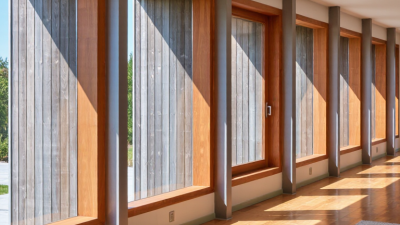
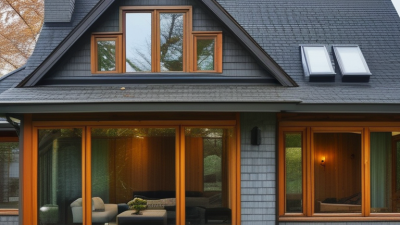
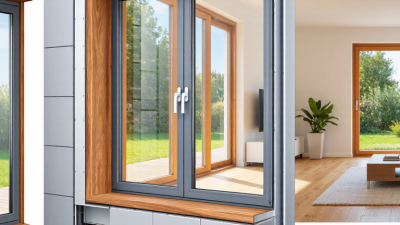
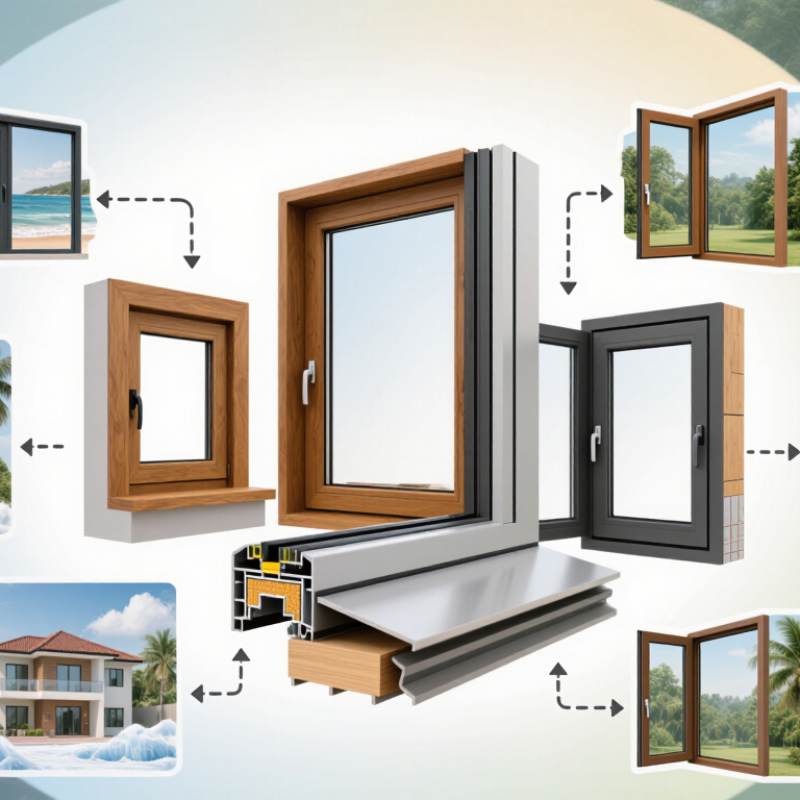
Wood-clad windows combine two materials with different jobs. Timber creates a warm interior surface, while aluminum protects the exterior from rain, sunlight, and temperature changes. This layered design suits modern homes, heritage renovations, and commercial projects seeking natural character without constant outdoor painting.
The interior timber can be oak, pine, or another treated species. Its finish affects color, touch, and maintenance needs. Aluminum cladding needs accurate drainage, strong powder coating, and careful joint design. In coastal or humid regions, these details matter more than appearance. During practical window assessments, I check corner seals, glazing weight, frame movement, and installation tolerances. A beautiful specification can still fail if the opening is poorly prepared. That is an uncomfortable point, but it is often overlooked.
Tips: Confirm the timber species, coating system, and warranty conditions before ordering. Request performance data for air leakage, water resistance, thermal insulation, and wind pressure. Match the frame to the local climate, wall construction, and glass requirements. Inspect sample corners, not only flat showroom sections. Leave room for my own mistake: climate assumptions made from general regional data may miss a building’s actual exposure. Ask for installation guidance and verify qualified installers. Small gaps around the frame can cause drafts, condensation, or long-term damage. For global buyers, check documentation, replacement-part availability, and local compliance requirements before final approval.
2026 Top Wood-Clad Windows for Global Buyers: What Defines Them?
Wood-clad windows combine a timber interior with an aluminum exterior. The chart compares representative thermal-conductivity values for common softwood, hardwood, and aluminum materials. Lower conductivity generally indicates better resistance to heat transfer through the material itself; whole-window performance also depends on glazing, frame geometry, seals, and installation.
Reference values shown in watts per metre-kelvin (W/m·K); actual values vary by species, density, moisture content, alloy, and temperature.
2026 Market Data: Global Demand, Pricing, and Energy-Efficiency Trends
2026 Top Wood Clad Windows for Global Buyers
In 2026, global demand for wood clad windows is rising steadily in cold and temperate markets. Buyers value natural interiors, durable exterior protection, and lower heating loads. Indicative supplier quotations range from $350 to $850 per square meter. Triple-glazed units can exceed $1,200 per square meter. Prices depend on timber species, opening style, glass specification, and order volume. Freight and installation may add 15% to 35% for overseas projects.
Energy performance now shapes purchasing decisions more than appearance alone. High-performing units commonly target whole-window U-values between 0.70 and 1.20 W/m²K. Low-emissivity glass, warm-edge spacers, and insulated frames help reduce winter heat loss. In hot regions, solar-control glazing can limit indoor overheating. However, lower U-values do not guarantee comfort. Poor installation can create drafts around the frame.
Regional demand is uneven. Northern Europe and North America prioritize insulation and airtightness, while parts of Asia and the Middle East focus on solar control and imported design. Certified timber, moisture-resistant coatings, and repairable components also influence trust. Yet market comparisons remain imperfect. Product labels may use different test standards, making direct price or performance comparisons difficult. Buyers should request verified test reports, warranty terms, sample corners, and installation details before approving a large shipment. Small details matter.
2026 Top Wood Clad Windows for Global Buyers? - 2026 Market Data: Global Demand, Pricing, and Energy-Efficiency Trends
| Market Region |
Indicative Share of 2026 Global Demand* |
Typical Project Price
(USD/m²) |
Common Product Configuration |
Typical Whole-Window U-Factor
(W/m²·K) |
Typical Solar Heat Gain Coefficient |
Triple-Glazing Adoption |
Primary 2026 Buying Driver |
| North America |
31% |
650–1,350 |
Wood interior with aluminum exterior; low-emissivity insulating glass |
0.80–1.50 |
0.25–0.45 |
Medium to high |
Cold-climate performance, durable exterior protection, and replacement demand |
| Western and Northern Europe |
29% |
700–1,500 |
Timber-aluminum tilt-and-turn or inward-opening units |
0.70–1.20 |
0.35–0.55 |
High |
Low operational energy use, renovation, and embodied-carbon considerations |
| Central and Eastern Europe |
13% |
450–950 |
Engineered softwood or hardwood interior with weather-resistant metal cladding |
0.85–1.40 |
0.35–0.55 |
Medium |
New residential construction, thermal upgrades, and value-oriented specification |
| East Asia |
12% |
750–1,650 |
High-performance aluminum-clad timber; large glazed areas in premium projects |
0.80–1.40 |
0.25–0.50 |
Medium to high |
Premium urban housing, acoustic comfort, and compact high-performance envelopes |
| Oceania |
6% |
700–1,450 |
Timber-aluminum units with solar-control or spectrally selective glazing |
1.00–1.80 |
0.25–0.45 |
Medium |
Solar control, weather exposure, and energy-efficient new construction |
| Middle East |
4% |
800–1,700 |
Aluminum-protected timber with solar-control, laminated, or low-e glass |
1.10–2.00 |
0.20–0.35 |
Low to medium |
Solar-load reduction, premium architecture, and façade durability |
| Latin America |
3% |
500–1,100 |
Aluminum-clad timber in premium residential and hospitality applications |
1.20–2.20 |
0.25–0.50 |
Low to medium |
Imported premium projects, moisture resistance, and design value |
| Africa |
2% |
550–1,250 |
Clad timber units with solar-control glazing for high-end developments |
1.30–2.30 |
0.20–0.40 |
Low |
Climate-specific solar control, façade longevity, and luxury construction |
2026 purchasing benchmarks:
Wood-clad windows generally command a premium over standard uPVC or non-clad timber products because they combine a renewable interior finish with a low-maintenance exterior layer. For comparable dimensions and glass specifications, triple glazing commonly adds approximately 10%–25% to unit cost, while premium hardwood interiors, oversized sashes, acoustic glass, concealed hardware, and customized colors can increase the price further.
Energy-efficiency interpretation:
A lower whole-window U-factor indicates better heat-transfer performance. Actual performance depends on frame material, spacer, glazing area, glass coating, installation quality, air leakage, and product size. Solar heat gain coefficient should be selected according to climate: lower values are generally preferred for cooling-dominated locations, while moderate values may be useful in heating-dominated climates.
*Demand shares and price bands are non-audited 2026 planning estimates for the wood-clad window segment, expressed as indicative ranges rather than company or brand sales data. Technical terminology follows commonly used window-performance methods in ISO 10077, EN 14351-1, and North American fenestration rating practice. Prices are indicative project-level ranges in USD per square metre and exclude taxes, freight, installation, and customs duties.
Durability Testing: AAMA 2605, EN 927, and ISO 10077-1 Standards
For global buyers, wood clad windows should be judged through verified performance, not attractive samples alone. AAMA 2605 evaluates high-performance organic coatings, including color retention, chalk resistance, and weathering. It does not prove the entire window will remain durable. The frame, cladding joints, seals, drainage paths, and installation still require careful review.
EN 927 focuses on coating systems for exterior wood. It helps assess moisture protection, adhesion, cracking, and weather exposure. Ask for test conditions, coating thickness, wood species, and maintenance schedules. ISO 10077-1 calculates thermal transmittance for windows, doors, and shutters. It supports U-value comparisons, but the result depends on frame geometry, glazing, spacers, and boundary conditions. A lower calculated U-value is useful, yet it is not a guarantee against condensation on site.
Tips: Request complete laboratory reports, not isolated certificates. Compare identical window sizes and glazing configurations. Inspect corners and drainage openings on physical samples. Record the climate, elevation, and exposure direction of each project. One overlooked detail can weaken a good design. I have seen specifications rely too heavily on coating ratings while ignoring poor sill drainage. That mistake is easy to repeat. Buyers should also confirm whether reported values come from testing, calculation, or both. Clear documentation makes international comparisons more reliable, although no standard removes every installation risk.