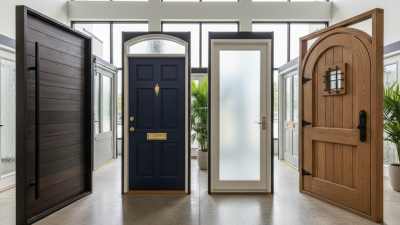
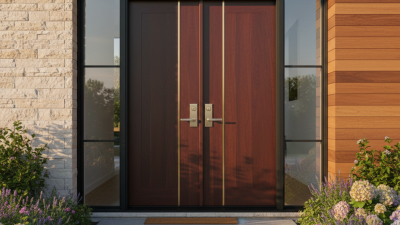
How to Choose the Best House Doors for Your Home Needs?
Choosing the right house doors is essential for any homeowner. Doors serve multiple purposes, from enhancing curb appeal to ensuring security. It’s not just about aesthetics; functionality plays a vital role. Every home has unique needs, and finding the best fit can feel overwhelming.
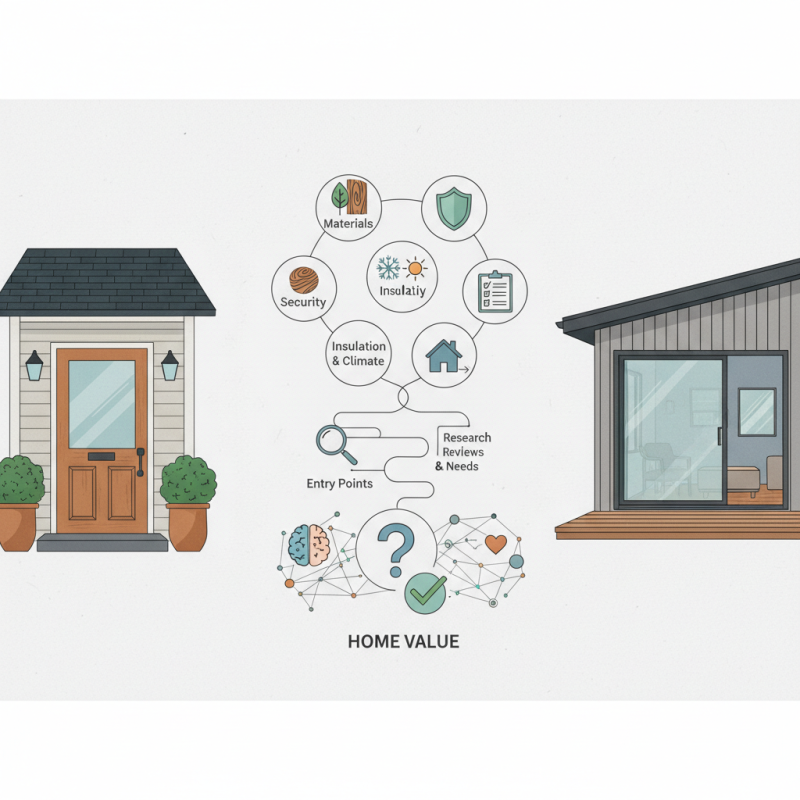
When selecting house doors, consider the materials, styles, and insulation properties. Different climates demand specific features. Solid wood offers timeless beauty, while fiberglass is low maintenance and energy-efficient. However, quality varies significantly across brands. Researching options and reading reviews can reveal what truly stands out.
It’s also crucial to evaluate the entry points in your home. Not all doors are created equal. An elegant patio door can transform your living space, while a sturdy front door offers peace of mind. This choice can ultimately affect your home’s value. Reflect on what works best for your lifestyle and environment. You may find that personal needs often clash with trends. Balancing these aspects is key to making a well-informed decision.
Understanding Your Home's Style and Requirements
Choosing the right doors for your home involves understanding your style and specific needs. Architectural experts recommend that doors should complement the overall aesthetics of your home. According to the National Association of Home Builders, approximately 60% of homebuyers consider the style of doors crucial in their purchasing decisions.
When evaluating your home’s architectural style, think about materials. A rustic home may benefit from wooden doors, while a modern design could align with sleek glass options. Local climate also plays a role; fiberglass doors may provide better insulation in colder regions.
Tips: Measure your door frame carefully. A mismatched size can lead to costly adjustments. Keep functionality in mind as well. For high-traffic areas, consider more durable options. Think about color and finish too; they can greatly influence the mood of your entryway.
How to Choose the Best House Doors for Your Home Needs?
| Door Type |
Material |
Style |
Energy Efficiency |
Security Features |
| Entry Door |
Steel |
Modern |
High |
Deadbolt Lock |
| Patio Door |
Vinyl |
Contemporary |
Medium |
Multi-point Locking |
| Interior Door |
Solid Wood |
Traditional |
Low |
Standard Lock |
| French Door |
Fiberglass |
Elegant |
High |
Keyless Entry |
| Sliding Door |
Aluminum |
Modern |
Medium |
Reinforced Glass |
Evaluating Different Material Options for House Doors
Choosing the right material for house doors is a key decision. Each material has distinct features. Wood offers classic beauty and warmth. However, it requires regular maintenance and can warp over time. Metal doors are durable and secure, but they may lack aesthetic appeal. Consider the overall style of your home when evaluating these options.
Fiberglass doors are a modern alternative. They resist dents and are energy-efficient. But they might not convey the same charm as wood. Think about the insulation properties as well. This can impact your energy bills. While many prefer traditional materials, newer options often excel in performance.
In the end, reflect on your priorities. Are aesthetics more important or durability? Budget also plays a crucial role. Be mindful of how each material aligns with your long-term goals. This decision should cater to your lifestyle and needs. Evaluate thoroughly before making a choice.
Knowing the Importance of Security Features in Doors
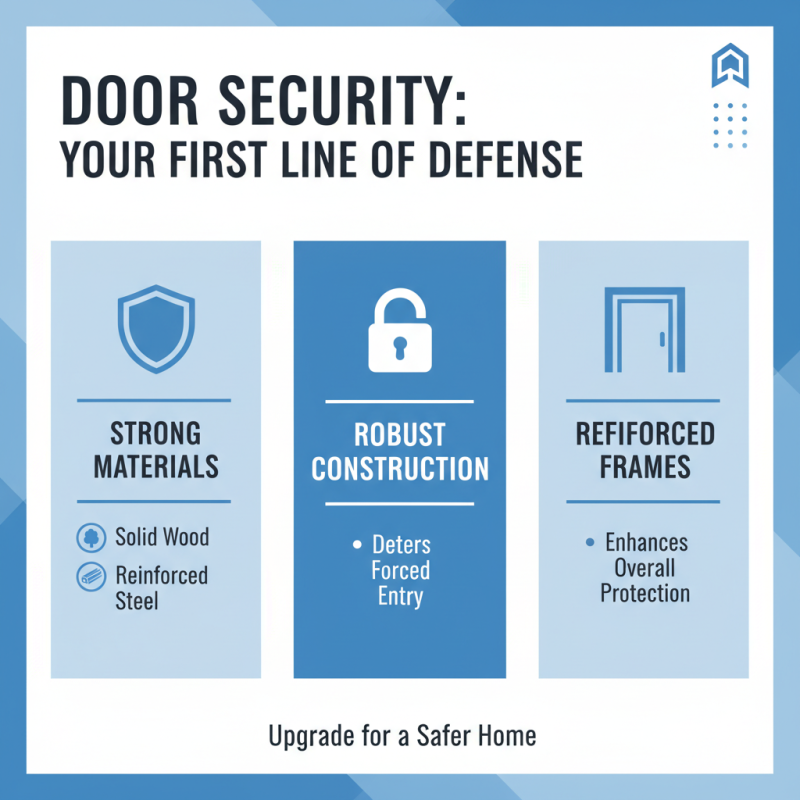
When selecting house doors, security features are paramount. A strong door serves as the first line of defense. Consider materials like solid wood or reinforced steel. These offer durability against forced entry. Additionally, look into door frames. A sturdy frame enhances security significantly. Weak frames can compromise even the strongest door, leading to vulnerabilities.
Locks are another critical component. Invest in high-quality deadbolts for added protection. Smart locks are also becoming popular, offering convenience alongside security. However, relying solely on technology can be risky. Always have a traditional backup lock for peace of mind.
It’s essential to think beyond aesthetics. While a beautiful door enhances curb appeal, its security features should never be overlooked. Many homeowners focus on style but forget about safety. Reflect on your neighborhood's safety. Research local crime rates and consider potential risks. Making informed decisions with security in mind is vital for protecting your home.
Assessing Energy Efficiency and Insulation Characteristics
When selecting house doors, energy efficiency is crucial. According to the U.S. Department of Energy, doors are a significant source of heat loss, accounting for about 10% of total energy loss in a typical home. Choosing doors with high insulation properties can drastically reduce energy bills. Look for doors with an Energy Star certification, which ensures they meet strict energy efficiency guidelines.
Insulation characteristics vary widely among different door materials. For instance, fiberglass doors typically offer better thermal performance than wooden ones. A study by the National Association of Home Builders found that insulated fiberglass doors can provide up to a 15% greater insulation value compared to traditional wood doors. Selecting a door with a high R-value is essential. The R-value measures resistance to heat transfer; higher values mean better insulation.
Yet, some homeowners overlook the importance of proper installation. Even the most energy-efficient door may fail to perform if it is not installed correctly. Gaps and poor sealing can negate the benefits of a well-insulated door. It’s worth considering professional installation to ensure that your choice maximizes energy savings. Small details, like choosing the right weather stripping, can also enhance energy efficiency.
Selecting the Right Size and Fit for Your Entryway
Selecting the right size and fit for your entryway is crucial when choosing house doors. A door that doesn’t fit well can compromise security and energy efficiency. According to the National Association of Home Builders, nearly 75% of homeowners focus on fit when selecting a new door. An ill-fitting door can lead to increased heating and cooling costs, with reports indicating up to 30% energy loss in poorly sealed areas.
Measuring your entryway is essential. Standard doors typically measure 36 inches wide by 80 inches tall, but this may not suit every home. Variations in height and width demand careful evaluation of your space. It’s advisable to account for additional framing when determining your door size. A door that is too small leaves gaps, while one that's too large can be difficult to install.
Maximizing your entryway also involves understanding the doorway shape. Some homes feature arched or uniquely shaped frames. A custom door may be an ideal solution for these situations. Custom options ensure that the door enhances the overall aesthetic and functionality of your home. However, homeowners should be cautious, as custom-built doors can cost significantly more than standard ones.