10 Best San Diego Windows for Global Buyers?
Choosing the right san diego windows requires more than comparing photographs or advertised prices. Global buyers must examine climate performance, installation quality, warranty terms, and long-term service. San Diego’s bright sun, coastal moisture, and occasional strong winds can challenge poorly selected products. A window that performs well inland may need different glazing near the ocean.
This guide evaluates ten strong options through practical criteria. These include energy ratings, frame materials, glass design, security features, acoustic control, and maintenance needs. Look for documented U-factor and SHGC values, tested performance, and clear manufacturer support. Professional installation also matters. Even an excellent window can fail when flashing, sealing, or drainage is handled carelessly.
Small details matter.
Buyers outside the United States should confirm shipping protection, replacement-part availability, and local building requirements. Product certifications and technical documents deserve careful review, especially when distributors use different names or specifications. This list is useful, but it is not universal. Budget, architecture, exposure, and personal priorities can change the ranking. Some recommendations may appear expensive until reduced heating, cooling, and maintenance costs are considered. Others may look attractive but provide limited after-sales support.
That uncertainty is worth acknowledging. A polished brochure cannot replace a site inspection or a written quotation. Before purchasing, request full specifications, installation responsibilities, warranty exclusions, and realistic delivery timelines. With careful comparison, buyers can identify San Diego windows that balance comfort, durability, appearance, and dependable value across different markets.
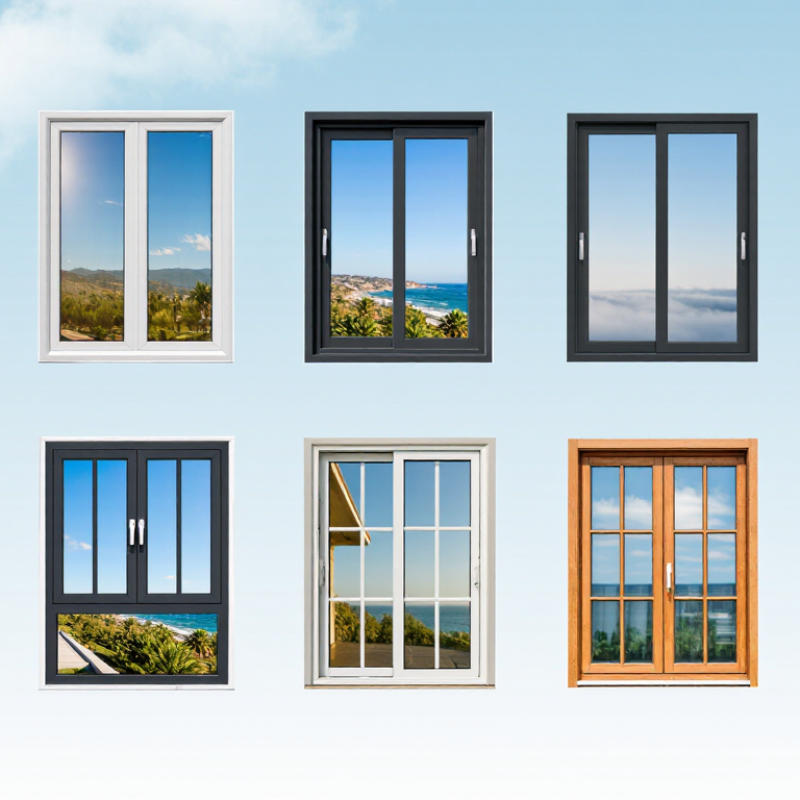
San Diego Window Types and Their Best Uses
San Diego Window Types and Their Best Uses
San Diego’s mild climate supports many window styles, but each type solves a different problem. Single-hung windows suit bedrooms and rental properties because they offer simple ventilation and lower maintenance. Double-hung windows improve airflow when both sashes open, making them practical for older homes without central cooling. Casement windows seal tightly and catch coastal breezes, while awning windows work well above kitchen counters or in bathrooms. Sliding windows need little operating space, which helps in compact rooms.
Picture windows provide broad ocean, canyon, or garden views, but they do not ventilate. Bay and bow windows add interior seating or display space, although their projections require careful structural review. Jalousie windows can encourage airflow in warm areas, yet their many moving parts may reduce air sealing. Skylights bring daylight into dark hallways, but poor installation can create leaks and unwanted heat. Choose carefully.
Global buyers should compare U-factor, solar heat gain, visible light, and impact resistance. Local professionals can verify these ratings and confirm current permit requirements. Coastal properties also need corrosion-resistant hardware and durable seals. I have seen attractive windows perform poorly when installers ignore drainage paths. Some choices disappoint. A west-facing picture window may overheat a room despite excellent glass. Test samples beside the actual wall, check afternoon glare, and ask for written installation details. Local exposure matters more than a stylish photograph.
Key Features Global Buyers Should Compare
San Diego windows should be compared by performance, not appearance alone. Global buyers need to examine U-factor, solar heat gain coefficient, visible transmittance, and air leakage ratings. Lower U-factor improves insulation, while a suitable solar heat gain rating helps control strong coastal sunlight. Large glass panels can create beautiful views, but they may also increase indoor heat. I sometimes value the view too much.
Coastal exposure makes frame material and hardware important. Look for corrosion-resistant components, durable seals, and tested water resistance. Ask for independent performance reports, installation instructions, and a clear warranty. Local building requirements may differ from those in your country, so consult a licensed San Diego professional before ordering. A reliable installer should explain drainage, flashing, and wall compatibility using practical examples.
Tips: Compare the same window size and glass package. Check labels from recognized testing organizations. Request written energy data, not general claims. Inspect the sample frame for smooth operation and tight seals. Consider maintenance access, especially for upper floors. If a quote seems unusually low, ask what was excluded. Delivery, installation, permits, and future repairs can change the real cost. International buyers should also confirm measurements in inches and verify payment and shipping terms before production. “Premium” sounds useful, but measurable evidence matters more.
10 Best San Diego Windows for Global Buyers? - Key Features Global Buyers Should Compare
| Window Type |
Best Use in San Diego |
Typical U-Factor* |
Typical SHGC* |
Air Leakage* |
Visible Transmittance* |
Ventilation |
Global Buyer Considerations |
| Casement |
Energy-efficient rooms and coastal homes |
0.25–0.35 |
0.20–0.40 |
≤ 0.30 cfm/ft² |
0.45–0.65 |
Excellent |
Usually provides a tight seal when closed; check hinge hardware, opening direction, insect screens, and local installation standards. |
| Awning |
Ventilation during light coastal rain or fog |
0.25–0.35 |
0.20–0.40 |
≤ 0.30 cfm/ft² |
0.45–0.65 |
Excellent |
Top-hinged operation can support ventilation while limiting direct rain entry; verify emergency-exit requirements where applicable. |
| Double-Hung |
Traditional homes and easy cleaning |
0.30–0.45 |
0.25–0.45 |
≤ 0.30 cfm/ft² |
0.45–0.65 |
Good |
Both sashes can open for airflow; compare balance systems, locking points, drainage design, and the availability of replacement components. |
| Single-Hung |
Budget-conscious apartments and renovations |
0.30–0.45 |
0.25–0.45 |
≤ 0.30 cfm/ft² |
0.45–0.65 |
Moderate |
Fewer moving parts can simplify maintenance; confirm that the fixed upper sash meets cleaning and access expectations. |
| Horizontal Slider |
Wide openings, patios, and compact spaces |
0.35–0.50 |
0.25–0.45 |
≤ 0.30 cfm/ft² |
0.45–0.65 |
Good |
Simple operation and low projection; inspect roller quality, track drainage, interlocks, and weather seals because sliding units may seal less tightly than hinged units. |
| Fixed or Picture |
Views, daylight, and the lowest air leakage |
0.20–0.35 |
0.20–0.45 |
≤ 0.10 cfm/ft² |
0.50–0.75 |
None |
Often offers the best airtightness and unobstructed glass area; pair with operable windows for ventilation and verify solar-control glass for sunny elevations. |
| Bay Window |
Interior seating, projection, and architectural interest |
0.30–0.50 |
0.25–0.45 |
≤ 0.30 cfm/ft² |
0.45–0.70 |
Depends on units |
Requires careful structural support, flashing, and water management; compare projection limits, shipping protection, and local permitting requirements. |
| Bow Window |
Broader curved views and additional daylight |
0.30–0.50 |
0.25–0.45 |
≤ 0.30 cfm/ft² |
0.45–0.70 |
Depends on units |
More glass and joints require precise installation; compare frame reinforcement, support brackets, condensation resistance, and replacement-glass logistics. |
| Hopper |
Basements, bathrooms, and controlled ventilation |
0.25–0.40 |
0.20–0.40 |
≤ 0.30 cfm/ft² |
0.40–0.60 |
Good |
Inward-opening sash can provide a compact weather seal; check moisture control, egress dimensions, hardware clearance, and drainage details. |
| Skylight or Roof Window |
Top-floor daylight and passive ventilation |
0.30–0.50 |
0.20–0.40 |
≤ 0.30 cfm/ft² |
0.35–0.65 |
Optional |
Roof exposure increases solar and water-management demands; compare flashing systems, glazing safety, shading, condensation resistance, and installation expertise. |
*Performance note: U-factor, SHGC, air leakage, and visible transmittance are NFRC-style window performance metrics. The ranges shown are typical for commonly available double-glazed residential units and vary by frame material, glazing package, size, and configuration. Lower U-factor and air leakage generally improve thermal efficiency and airtightness; SHGC should be selected according to orientation, shading, and cooling needs.
Top Materials, Styles, and Energy Ratings
San Diego’s bright, dry climate makes window selection more detailed than it first appears. I would compare ten strong options by material, style, and energy performance.
Vinyl frames offer good insulation and simple maintenance.
Fiberglass resists heat changes and keeps its shape.
Aluminum frames look clean and modern, but need thermal breaks.
Wood provides warmth, although coastal moisture demands careful sealing.
Style changes comfort and daily use.
Casement windows catch ocean breezes efficiently.
Awning windows ventilate during light rain.
Sliding windows suit wide openings and require little operating space.
Double-hung designs support controlled airflow, especially in bedrooms.
Picture windows bring in sunlight but do not open.
On a hillside home, I would check wind exposure before choosing large glass areas.
Energy ratings need careful reading.
A lower U-factor usually means better insulation.
A suitable solar heat gain coefficient can reduce unwanted afternoon heat.
Look for tested values from an independent national rating system, not only sales claims.
Air leakage also matters, especially around older masonry openings.
Coastal buyers should inspect corrosion resistance and installation details.
Global buyers may face different standards, so local code review remains essential.
I have seen attractive windows perform poorly after rushed installation.
That mistake is easy to underestimate. A slightly less stylish window, fitted correctly, may deliver better comfort, lower bills, and fewer repairs.
Installation Standards, Costs, and Maintenance
Buying windows in San Diego requires more than comparing glass styles. Coastal air, strong sunlight, seasonal rain, and wildfire exposure can affect material choices. A qualified installer should measure each opening, inspect the framing, and document water-management details. Proper flashing, shims, sealants, and drainage paths matter as much as the window itself. Ask for written evidence of product testing and installation practices. Local permitting and energy requirements may apply, even to replacement work. Standards can change, so confirm requirements with the city or county before ordering.
Costs vary by opening size, access, frame material, glass package, and labor complexity. In 2026, a typical replacement may range from about $700 to $2,500 per window. Custom or difficult projects can exceed that range. Treat online estimates as rough signals, not promises. Request at least three itemized bids. Each bid should separate products, removal, disposal, permits, interior repairs, and exterior finishing. International buyers should clarify currency, payment timing, warranty coverage, and post-sale service. A low bid may hide preparation work.
Maintenance is simple but not optional. Rinse exterior surfaces every few months, especially near the ocean. Check seals, tracks, locks, and drainage openings for grit or corrosion. Never paint over weep holes. Keep records of inspections and repairs. No installation plan is perfect. Even experienced contractors can miss a small drainage weakness. After the first heavy rain, inspect interior corners and nearby trim for dampness. Early correction is cheaper than concealed moisture damage.
10 Best San Diego Windows for Global Buyers
Installation Standards, Costs, and Maintenance
Cost guide: The chart shows typical San Diego replacement costs per window opening, including standard installation and excluding major structural changes, permits, custom shapes, and interior or exterior repairs. Bay and bow windows cost more because they require multiple units, additional framing, and more installation labor.
Installation standards: Buyers should request dual-pane insulating glass, a low-emissivity coating, an NFRC performance label, weather-resistant flashing, perimeter sealing, and compliance with project-specific California Title 24 requirements. San Diego includes more than one climate zone, so required U-factor and solar heat gain coefficient values should be confirmed for the property location and window orientation.
Maintenance: Clean glass and tracks at least twice a year, inspect weatherstripping and exterior sealant annually, keep drainage holes clear, lubricate moving hardware when needed, and arrange professional inspection if condensation appears between panes or if the sash no longer seals correctly.