
Choosing American home windows for a global project requires more than comparing frame colors and glass options. Window performance changes with climate, building orientation, installation quality, and local expectations. A product suited to a cold Midwestern home may perform poorly in a humid coastal development. That difference matters.
Experienced project teams examine U-factor, solar heat gain coefficient, visible transmittance, air leakage, water resistance, and structural ratings. These figures should come from credible test reports, certification programs, or manufacturer documentation. NFRC labels can support energy comparisons, while regional testing requirements may affect final approval. Local professionals must still verify compatibility with national codes and construction practices.
Details become practical on site. A south-facing window may need stronger solar control in a hot climate. A high-rise project may require careful attention to wind pressure and drainage. Installation tolerances also deserve close review. Even an excellent window can leak when flashing, shims, or sealants are poorly selected. This is often underestimated.
Reliable suppliers should provide drawings, warranty terms, replacement guidance, and technical support across borders. Ask how products are packaged, shipped, stored, and serviced after delivery. Lead times may shift. Specifications may need revision. That is normal, but it should be documented clearly.
There is no universal best window. The right choice balances performance, appearance, budget, maintenance, and regional compliance. Teams should compare tested evidence with real project conditions, not attractive brochures alone. A careful selection process protects comfort, durability, and long-term value. It also leaves room for honest review when early assumptions prove incomplete.
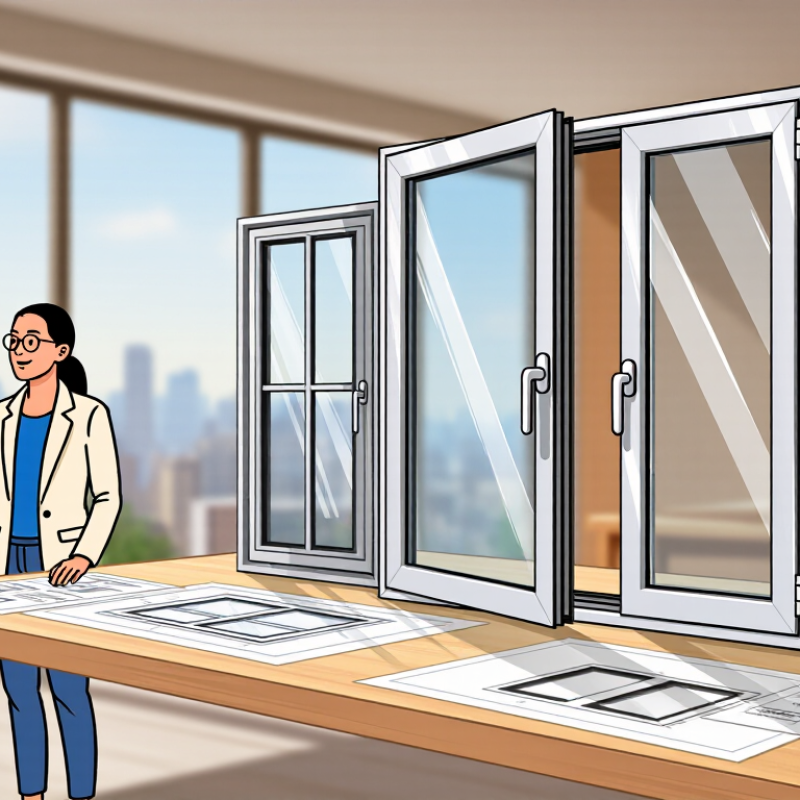
Choosing American home windows for a global project starts with a clear project brief, not a product list. Define the room, climate, wall system, and expected service life. A coastal apartment needs corrosion resistance and wind protection. A mountain house may prioritize insulation, solar control, and airtight installation. Record these conditions before requesting quotations.
Set measurable window performance goals. Specify thermal transmittance, solar heat gain, air leakage, water resistance, and structural pressure. Acoustic targets matter near airports or busy roads. Confirm the required test methods and units, because regional standards may describe similar results differently. Also check frame depth, glazing weight, opening direction, insect screens, and emergency egress. A window can perform well in a laboratory yet fail when its sill flashing is poorly integrated. The interface deserves its own detail drawing.
On projects I have reviewed, mock-up testing exposed problems that drawings missed. Water entered at a corner, while a handle conflicted with an interior finish. Small failures become expensive after shipment. Ask for certified test reports, installation instructions, maintenance intervals, and replacement-part access. Have a local consultant verify structural and energy requirements before approval. Be honest about uncertainty. Climate data, workmanship, and future maintenance may be less predictable than the specification suggests. A practical goal is dependable performance within the actual building system.
These representative planning benchmarks show how window goals can change by climate. U-factor is measured in Btu/h·ft²·°F, and lower values indicate better insulation. SHGC is the fraction of solar heat transmitted through the glazing; lower values are typically preferred in hot climates, while moderate values can support passive solar heating in colder regions. Final selections should be checked against local energy codes, building orientation, shading, condensation risk, and whole-window NFRC-rated performance.
American window choices should begin with the project’s climate, use, and visual language.
Double-hung windows offer familiar proportions and controlled ventilation. Their upper and lower sashes suit bedrooms, living rooms, and traditional façades.
Casement windows open outward with a wide, clear airflow path. They can perform well in windy areas, but exposed hardware needs careful maintenance.
Sliding windows move horizontally and require less exterior clearance. They are practical for compact balconies or rooms facing walkways.
Material changes the window’s character and maintenance needs. Vinyl frames are cost-effective and resist moisture, although darker colors may need climate-specific evaluation. Aluminum frames look slim and modern, yet they can transfer heat without suitable thermal breaks. Wood provides warmth and can support heritage-inspired designs. It demands regular sealing in wet environments. Fiberglass offers dimensional stability, but its higher initial cost may challenge strict budgets.
Opening type affects safety, cleaning, and furniture placement.
Awning windows can ventilate during light rain, while picture windows provide daylight without ventilation. I would not select one opening system for every room. That assumption can fail.
On global projects, compare frame depth, glazing options, drainage, and installation details with local professionals. A window that performs well in one region may behave differently elsewhere. Check sample corners, seals, and operating force before final approval. Small details matter.
Selecting American home windows for global projects requires more than comparing glass appearance. Energy performance should match the building’s climate and orientation. Check the U-factor for heat transfer through the window. A lower value usually improves insulation. The solar heat gain coefficient matters in sunny regions. Lower values can reduce indoor overheating, while higher values may help cold climates. Air leakage ratings also deserve attention. Small leaks become noticeable in windy coastal areas.
Tips: Request verified performance data, not only sales descriptions. Compare U-factor, solar heat gain, visible transmittance, and air leakage. Test sample windows on site when possible. A perfect rating does not exist.
Climate ratings must fit local weather patterns. A window designed for a cold inland city may perform poorly in humid tropical conditions. Consider driving rain, strong wind, salt exposure, condensation, and seasonal temperature changes. Frame materials and glazing spacers affect long-term results. In project reviews, I have found that installation details often weaken good window performance. This is easy to overlook.
Building codes can vary between cities, even within one country. Confirm required thermal values, safety glazing, emergency escape dimensions, impact resistance, and wind-load calculations with a qualified local professional. International projects may also require translated test reports or region-specific approvals. Do not assume an American rating automatically satisfies local rules. Recheck the details. Cost pressure can encourage shortcuts, but replacing unsuitable windows later is rarely economical.
Choosing American home windows for a global project requires more than converting inches into millimeters. Start with the rough opening, not the visible glass size. Record width, height, wall thickness, drainage paths, and expected movement. A 1/4-inch error can create uneven shims, poor seals, or difficult sash operation. Small details matter.
The U.S. Department of Energy reports that windows can cause 25–30% of residential heating and cooling energy use. Therefore, compare U-factor, solar heat gain coefficient, visible transmittance, and air leakage. These values should match the project’s climate, orientation, and interior comfort goals. A low U-factor may help in cold regions, while excessive solar gain can overheat rooms in tropical climates. NFRC rating methods offer useful comparisons, but local simulation is still necessary. Ratings are not magic.
Installation methods also change across countries. Nail-fin installation suits framed walls with accessible sheathing, while replacement installation may suit existing openings. In masonry construction, installers often need perimeter membranes, sill pans, backer rods, and compatible sealants. Follow the tested sequence. Do not rely on foam alone.
International compatibility deserves careful checking. Confirm metric drawings, glass safety requirements, wind-load calculations, water penetration testing, and local fire provisions. The International Energy Agency states that buildings represent about 30% of global final energy use. Yet energy performance is only one concern. I have seen well-rated windows fail because the sill could not drain. Site conditions deserve more attention than catalog promises.
How to Choose American Home Windows for Global Projects?
Supplier assessment should begin with evidence, not attractive catalogs. The U.S. Department of Energy’s Energy Saver guidance estimates that windows cause 25–30% of residential heating and cooling energy use. Request verified U-values, solar heat gain coefficients, air-leakage ratings, test reports, and installation instructions. NFRC-certified ratings improve comparison. FGIA standards also help evaluate product performance. Samples matter. Check frame joints, gasket pressure, hardware movement, and packaging strength before approving large quantities.
Customization affects both performance and cost. Confirm metric dimensions, glass thickness, opening direction, color durability, insect screens, and local climate requirements. Coastal projects may need stronger corrosion resistance. High-altitude sites may require careful insulated-glass pressure design. Ask suppliers to separate tooling, glazing, packaging, freight, taxes, and replacement costs. The lowest quotation can become expensive after revisions. Small errors compound. I would not pretend every custom feature deserves approval; some additions increase complexity without improving comfort.
Long-term support deserves the same attention as factory quality. Request spare-hardware lists, digital installation guides, response-time commitments, and a clear warranty process. A ten-year warranty means little without accessible replacement parts. Track previous export projects, complaint rates, and corrective-action records. Support is measurable. The U.S. Department of Energy also emphasizes proper installation because even efficient windows can underperform when flashing, sealing, or drainage is poor. Build a mock-up and test it on site. That step costs money, but skipping it may cost more.
| Assessment Dimension | Recommended Benchmark | Typical Project Requirement | Risk if Not Verified | Verification Method |
|---|---|---|---|---|
| Supplier Operating History | At least 5 years of documented window manufacturing or project supply experience | Stable production capacity for repeat international orders | Inconsistent quality, delayed production, or limited after-sales capability | Request company records, completed-project references, and production-site documentation |
| Export and Documentation Capability | Experience with commercial invoices, packing lists, certificates, and international shipping | Clear customs and delivery coordination across borders | Customs delays, incorrect declarations, or unexpected import costs | Review sample export documents and agreed Incoterms before placing an order |
| Product Compliance | Performance data matched to local building codes and project specifications | Evidence for air leakage, water resistance, structural performance, and thermal efficiency | Failed inspections, redesign costs, or rejected materials | Obtain current test reports, declarations, drawings, and code-compliance statements |
| Window Material | Select aluminum, vinyl, fiberglass, or composite according to climate and design needs | Material must tolerate local humidity, temperature variation, salt exposure, and UV levels | Corrosion, warping, discoloration, or shortened service life | Compare material specifications, coating systems, warranties, and climate suitability |
| Glazing Configuration | Double glazing for moderate climates; triple glazing where energy or acoustic demands are high | Low-emissivity coating, insulated cavity, safety glass, or solar-control glass as required | Higher cooling or heating loads and inadequate occupant comfort | Check U-factor, solar heat gain coefficient, visible transmittance, and acoustic ratings |
| Customization Range | Custom dimensions, opening styles, colors, hardware, glazing, screens, and grille patterns | Products adapted to architectural drawings and local installation practices | Visible inconsistencies, installation changes, or expensive site modifications | Approve shop drawings, color samples, hardware schedules, and physical samples |
| Standard Lead Time | Approximately 6–12 weeks for standard or moderately customized orders | Production schedule aligned with procurement, shipping, and installation milestones | Construction delays, storage charges, or labor downtime | Obtain a written schedule covering approval, production, inspection, packing, and dispatch |
| Estimated Product Cost | Approximately USD 250–1,200 per standard residential window before installation and logistics | Budget should reflect size, material, glazing, hardware, finish, and quantity | Underestimated project budget or later specification compromises | Compare itemized quotations using identical dimensions and specifications |
| Total Delivered Cost | Include packaging, inland transport, freight, insurance, duties, taxes, handling, and local delivery | Use a landed-cost comparison rather than product price alone | Unexpected expenses that exceed the initial quotation | Request a complete cost breakdown and confirm responsibility for each charge |
| Packaging and Damage Prevention | Moisture protection, corner protection, shock-resistant packing, labeling, and crate inspection | Packaging suitable for long-distance multimodal transportation | Broken glass, scratched frames, missing components, or installation delays | Approve packing specifications and photograph container loading before shipment |
| Quality Control | Documented inspection at raw-material, assembly, finishing, and pre-shipment stages | Consistent dimensions, smooth operation, correct finish, and complete accessories | High rejection rates, field repairs, and inconsistent appearance | Use an approved inspection checklist and independent pre-shipment inspection when appropriate |
| Warranty Coverage | Written coverage commonly ranging from 5–20 years depending on component and finish | Separate terms for frames, glass seal failure, hardware, screens, and coatings | Disputes over exclusions, labor, transport, or international claims | Review warranty duration, exclusions, claim procedure, and geographical validity |
| Replacement Parts | Critical hardware and seals should remain available for at least 5–10 years | Easy access to rollers, locks, handles, gaskets, screens, and glazing components | Premature replacement of complete window units | Request a spare-parts list, part numbers, pricing, and replenishment lead times |
| Technical Support | Responsive support for drawings, installation details, troubleshooting, and maintenance | Support available across time zones through email, video calls, and documented procedures | Installation errors and slow resolution of site problems | Test response times during the quotation stage and request installation manuals |
| Recommended Selection Priority | Compliance and durability first, followed by total cost, customization, delivery, and support | Choose the supplier with the strongest overall project fit, not simply the lowest price | Short-term savings may create long-term operating and replacement costs | Apply a weighted scorecard and document the final approval criteria |
*$250 Off/Window $500 Off/Door. Minimum of 4 Windows. Max savings not to exceed $2,500. Must present coupon at time of estimate. Some restrictions apply. Cannot be combined with any other offers. Call or see the website for details. www.mpwindowsanddoors.com. Offer Expires 9/30/25. CSLB# 778326. 100% Employee Owned.
Contractor's License CSLB #778326.

© 2000 - 2025 American Vision Windows