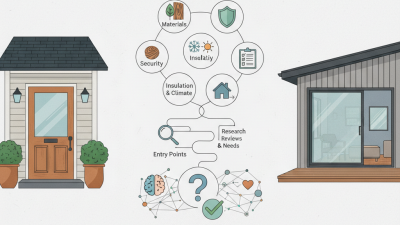

Choosing the best home doors and windows in 2026 requires more than comparing attractive designs and low prices. Global buyers must consider climate, energy performance, security, installation quality, and long-term maintenance. A triple-glazed window may perform well in a cold region, but it could be unnecessary in a mild coastal climate. Local weather matters.
Building-science educator Steve Baczek often emphasizes, “The window is not the window; the installation is the window.” This principle remains essential when evaluating home doors and windows. A high-quality frame can still leak air if the flashing, sealants, or surrounding wall connection is poorly installed. Small gaps around a door may cause drafts, moisture damage, and higher heating or cooling costs.
This guide examines practical choices for buyers across different regions. It compares uPVC, aluminum, timber, fiberglass, and composite materials. It also considers impact resistance, solar control, acoustic insulation, ventilation, and recyclable construction. Product labels can help, but they do not tell the whole story. Testing standards vary between markets, and impressive specifications may be difficult to compare directly.
Real homes are less perfect than showroom samples.
Buyers should request performance data, warranty terms, installation instructions, and service information before ordering. They should also confirm whether replacement parts are available locally. This step is often overlooked. Our recommendations focus on balanced value rather than the cheapest quotation or the most fashionable appearance. Some conclusions may change as technology, energy rules, and buyer expectations develop. That uncertainty deserves honest attention.
2026 Best Home Doors and Windows for Global Buyers?
Home Door and Window Types for Different Global Climates
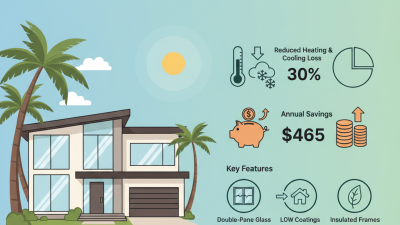
In 2026, global buyers should choose doors and windows by climate, not appearance alone. In hot, sunny regions, low-solar-gain glazing, external shading, insulated frames, and tight seals reduce indoor heat. The International Energy Agency’s Energy Efficiency 2023 report states that buildings consume about 30% of global final energy. Poor window selection can make cooling systems work harder. Keep openings modest on west-facing walls. Use operable windows where safe night ventilation is possible. Small details matter.
Cold climates need low-emissivity double or triple glazing, warm-edge spacers, insulated frames, and correctly installed flashing. The U.S. Department of Energy estimates that windows can account for 25–30% of household heating and cooling energy use. That figure varies by building and region, so it should not become a universal promise. In snowy areas, drainage paths and durable weather seals deserve more attention than decorative hardware. Condensation is a warning, not a design feature.
Humid and coastal climates require corrosion-resistant hardware, drainage paths, insect screens, and moisture-tolerant finishes. The Global Status Report for Buildings and Construction 2024 identifies heat, flooding, and storms as growing infrastructure pressures. In hurricane- or typhoon-exposed locations, buyers should verify tested wind and impact performance against local codes. Do not trust a catalogue label alone. Ask for U-factor, solar heat gain coefficient, air leakage, water penetration, and pressure ratings. A common mistake is choosing thick glass without checking the frame, installation, and ventilation strategy. Performance is a system.
Home Door and Window Types for Different Global Climates
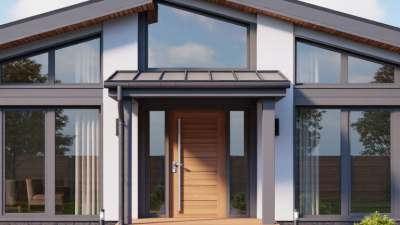
The chart compares representative high-performance U-factor targets for windows and exterior doors across major climate conditions. A lower U-factor indicates better resistance to heat transfer. Hot climates generally benefit from low-E double glazing, solar-control glass, insulated frames, and well-sealed doors, while cold and very cold climates typically require triple glazing, warm-edge spacers, thermally broken frames, and heavily insulated door cores. Local building codes, solar exposure, humidity, wind loads, and installation quality should always be checked before purchase.
For global home buyers, door and window selection begins with climate, not appearance. Materials must handle local heat, rain, salt air, or freezing temperatures. uPVC offers low maintenance and useful insulation, while aluminum provides slim frames and strong spans. Aluminum needs a thermal break to reduce heat transfer through the frame. Timber feels warm and natural, but it demands careful sealing and regular maintenance. No material is perfect. That detail is often overlooked.
Glass changes indoor comfort as much as the frame. Double glazing suits many moderate climates; triple glazing can improve insulation in colder regions. Low-emissivity coatings help retain conditioned air, while solar-control glass limits harsh afternoon heat. Laminated glass can reduce noise and hold fragments together after breakage. Choose glass by climate and orientation, not by thickness alone. A large west-facing window may need a lower solar heat gain coefficient. The numbers matter.
Good design balances daylight, ventilation, security, and cleaning access. Tilt-and-turn windows support controlled airflow, while sliding doors save space but may need more attention to track drainage. Check air leakage, water resistance, wind-load ratings, and hardware quality before ordering. Installation is equally important; a poor sill seal can defeat an excellent window. Ask for test reports, warranty terms, and compatibility with local building codes. I have seen buyers focus on frame color and regret ignoring condensation risk. Even experienced planners miss this sometimes. Leave room for doubt, and verify every specification.
Energy Efficiency, Security, and Smart Home Compatibility
Global buyers should treat doors and windows as building systems, not decoration. The IEA’s Buildings 2024 analysis attributes about 30% of global final energy use to buildings and 26% of energy-related emissions. Low-e glazing, insulated frames, warm-edge spacers, and tight seals can reduce unwanted heat movement. Yet performance depends on installation quality. U.S. Department of Energy guidance estimates that windows may represent 25–30% of household heating and cooling energy use. That figure varies by climate, orientation, and household behavior.
Security starts with the frame, not the camera. Choose tested cylinders, reinforced strike plates, laminated glass, and visible hinge protection. NISTIR 8259A recommends device identity, secure updates, and data protection for connected products. These principles matter for smart locks and motorized shades. Cybersecurity is not an app feature. The 2024 FBI Internet Crime Report recorded over 859,000 complaints and $16.6 billion in reported losses, although those figures cover internet crime broadly, not smart homes specifically.
Compatibility should be tested before purchase. Look for support for Matter, local control, encrypted communication, and reliable fallback operation during internet outages. The Connectivity Standards Alliance’s specifications improve interoperability, but real-world performance can remain uneven. Some products still require a separate bridge. Check voltage, radio bands, regional certifications, and installation depth before ordering. Compare tested U-factor and solar heat gain coefficient, rather than broad “energy-saving” labels. A triple-pane unit is not automatically better; excessive weight, poor sealing, or unsuitable climate selection can reduce its practical value.
Global buyers need more than attractive home doors and windows. Local standards should guide every specification. Check required U-values, air leakage, water resistance, wind-load ratings, safety glazing, and emergency egress rules. These requirements differ between coastal, cold, tropical, and high-altitude regions. A product accepted in one market may need additional testing elsewhere.
Customization should begin with the building, not a catalogue. Consider wall thickness, opening direction, sun exposure, rainfall, ventilation, and cleaning access. A south-facing glass door may need solar control, while a cold-climate window requires strong thermal separation. Measure the finished opening carefully, including sill levels and tolerances. Small errors become expensive later. A sample corner or full-size mock-up can reveal hardware conflicts, frame depth, and color differences before production.
Installation often decides long-term performance. The installer should verify the opening, level the frame, seal the perimeter, and preserve drainage paths. Flashing must suit local weather conditions. Fasteners should match the wall structure and resist corrosion. Never assume factory dimensions fit every site. That assumption fails surprisingly often. Written installation instructions, inspection records, and clear warranty terms improve reliability. Local professionals should also confirm fire, accessibility, ventilation, and permit requirements. Some designs look excellent on paper but feel impractical after daily use, especially when screens, locks, furniture, or maintenance space were overlooked.
2026 Best Home Doors and Windows for Global Buyers?
For global buyers, supplier comparison should begin with evidence, not attractive photographs. Request product drawings, material specifications, test reports, and installation instructions. Check thermal performance, air leakage, water resistance, hardware quality, and glass configuration. These details affect comfort more than a polished sales presentation. Confirm that products meet the building standards required in your country. A suitable window in one climate may perform poorly in another.
Compare the complete landed cost. Include production, packaging, inland transport, insurance, customs duties, installation, and replacement parts. Ask suppliers to separate every charge in writing. I have learned that the lowest quotation can become expensive after unclear packaging or delayed documentation. Warranty terms need equal attention. Check coverage periods, exclusions, labor responsibility, and claim procedures. A five-year warranty means little without a reachable service team. Request customer references from similar climates and project sizes.
Tips: Ask for a sample corner, not only a full-size display. Test the seals gently. Request response-time commitments for service cases. Keep all promises in the contract. Avoid paying for features you cannot verify. One detail matters: who pays for defective goods after delivery? No comparison is perfect. Buyers should also review their own assumptions, especially about installation skills and local weather. A dependable supplier communicates clearly, admits limitations, and provides practical solutions when something goes wrong.
| Product Type | Typical Application | Indicative Supply Cost USD/m² |
Typical Thermal Performance | Common Warranty Range | Estimated Production Lead Time | Recommended Compliance Documents | After-Sales Service to Require | Best Buying Profile |
|---|---|---|---|---|---|---|---|---|
| uPVC Tilt-and-Turn Windows | Residential bedrooms, apartments, and moderate-climate projects | $120–$300 | Usually U-value about 1.0–1.6 W/m²·K with double glazing; triple glazing can be lower | 5–10 years for frames; 2–5 years for hardware and seals | 4–8 weeks after approved drawings and deposit | NFRC, EN 14351-1, CE/UKCA where applicable, glass safety and air-water-wind test reports | Installation manual, spare gaskets and handles, replacement-part availability, remote troubleshooting | Budget-conscious buyers needing good insulation and easy operation |
| Thermally Broken Aluminum Windows | Large openings, coastal areas, modern homes, and commercial façades | $220–$550 | Typically U-value about 1.2–2.0 W/m²·K depending on frame depth and glazing | 5–10 years for finish and frame; 2–5 years for moving components | 6–10 weeks, with longer periods for custom colors or oversized units | AAMA/WDMA/CSA or EN test reports, powder-coating specification, corrosion and glass certificates | Color-code records, hardware adjustment guide, local service partner, stocked rollers and locks | Projects prioritizing durability, slim sightlines, and large glass areas |
| Wood-Aluminum Composite Windows | Premium residences and cold or mixed climates | $450–$900 | Often U-value about 0.7–1.3 W/m²·K with high-performance glazing | 5–10 years for finish and components; maintenance schedules may apply | 8–14 weeks because of timber selection, coating, and customization | EN 14351-1 or local equivalent, coating data, timber moisture specification, environmental declarations if required | Refinishing instructions, annual maintenance checklist, replacement seals, long-term finish support | Buyers seeking high insulation, natural interior appearance, and premium service |
| Insulated Steel Entrance Doors | Main entrances where security, fire resistance, or impact strength matters | $350–$1,000 | Usually U-value about 1.0–1.8 W/m²·K, depending on core and glazing | 5–10 years for door leaf and finish; 1–5 years for locks and electronic parts | 6–12 weeks for custom sizes, security hardware, or fire-rated assemblies | EN 14351-1, ASTM or local structural tests, fire-rating report where claimed, lock and cylinder certificates | Door alignment procedure, lock-cylinder support, emergency replacement policy, installation training | Security-focused projects and high-traffic residential entrances |
| Fiberglass Exterior Doors | Low-maintenance entrances exposed to humidity, sun, or temperature changes | $300–$850 | Often U-value about 1.0–1.8 W/m²·K with insulated cores and low-e glass | 5–10 years for door system; finish coverage varies by coating and exposure | 5–10 weeks, subject to panel design and glass selection | Air-water-structural test data, thermal report, safety-glazing documentation, coating data | Cleaning and care guide, replacement weatherstripping, threshold adjustment support | Homeowners wanting a wood-like appearance with reduced maintenance |
| Lift-and-Slide Patio Doors | Wide garden openings, balconies, and indoor-outdoor living areas | $400–$1,100 | Commonly U-value about 1.0–1.8 W/m²·K; performance depends strongly on glass and size | 5–10 years for frame; 2–5 years for rollers, locks, and seals | 8–14 weeks for large or engineered glass units | Structural and water tests, safety-glass certificate, handling limits, installation tolerances | Roller replacement plan, adjustment tools, glazing-replacement procedure, site-installation support | Buyers valuing opening width and appearance more than the lowest purchase price |
| Fire-Rated Exterior Doors | Protected escape routes, utility rooms, apartment entrances, and regulated buildings | $450–$1,300 | Thermal values vary widely; fire resistance is normally rated separately in minutes | 1–5 years for hardware and seals; fire-performance validity depends on certified assembly and installation | 8–16 weeks, including certification review and custom hardware | UL 10C, UL 10B, EN 16034, NFPA, or the authority having jurisdiction’s required standard | Certified installation instructions, inspection records, seal and closer replacement process | Projects where code approval and documented fire performance are mandatory |
*$250 Off/Window $500 Off/Door. Minimum of 4 Windows. Max savings not to exceed $2,500. Must present coupon at time of estimate. Some restrictions apply. Cannot be combined with any other offers. Call or see the website for details. www.mpwindowsanddoors.com. Offer Expires 9/30/25. CSLB# 778326. 100% Employee Owned.
Contractor's License CSLB #778326.

© 2000 - 2025 American Vision Windows