
Buying exterior doors and windows is not merely a style decision. It affects comfort, security, energy use, and long-term maintenance. A beautiful door can still leak air. A premium window can perform poorly if installed carelessly.
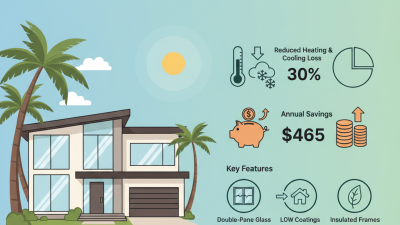
The U.S. Department of Energy reports that windows can account for 25% to 30% of residential heating and cooling energy use. That figure makes measurements, glass selection, and installation quality difficult to ignore. ENERGY STAR guidance also emphasizes U-factor, solar heat gain coefficient, air leakage, and climate-specific performance. These ratings reveal more than a showroom display.
This guide presents 10 practical tips for evaluating exterior doors and windows before purchase. It considers frame materials, glazing, weather exposure, warranties, drainage, and professional installation. The National Fenestration Rating Council provides standardized performance labels, helping buyers compare products more reliably. The American Architectural Manufacturers Association’s performance standards offer another useful reference for tested durability and operation.
Look closely at the details. A poorly sealed threshold may admit rain beneath a door. An incorrectly sized window may leave uneven gaps around the frame. Small mistakes become expensive problems.
No product suits every building. That deserves honesty. Climate, wall construction, orientation, and budget change the best choice. Manufacturer claims also require careful checking. Use published ratings, verified specifications, and qualified installers rather than attractive promises alone. A thoughtful decision may take longer, but it can reduce drafts, water damage, and replacement costs over time.
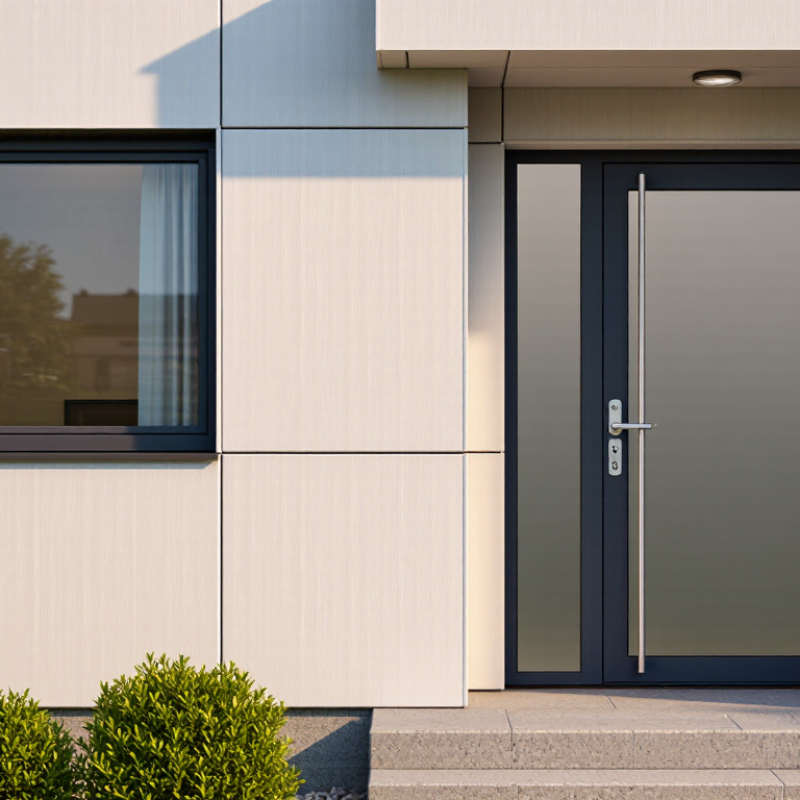
Before shopping, define what each door and window must do. Walk through your home during different weather conditions. Note drafts, water stains, noise, glare, and difficult locks. A south-facing room may need stronger solar control, while a shaded hallway may need more daylight. Decide whether you need a replacement, a new opening, or a simple repair.
Measure each opening carefully, including width, height, depth, trim, and sill condition. Record measurements at several points because older walls are rarely perfectly square. Do not order from one quick measurement. A professional installer should verify the opening and explain local building requirements, emergency exits, ventilation, and weatherproofing. These details affect safety and long-term performance.
Separate essential features from attractive extras. Security may require reinforced frames, dependable locks, and clear sightlines. Bedrooms may need operable windows for safe escape and fresh air. Kitchens often benefit from easy-to-clean glass and convenient ventilation. For exterior doors, consider threshold height, swing direction, delivery access, and seasonal moisture. I once focused too much on appearance and overlooked the afternoon heat. That was an expensive lesson. Recheck your priorities beside the actual opening, not only in a showroom. Ask how the product will perform after years of rain, dust, and repeated use.
10 Tips for Buying Exterior Doors and Windows
Compare materials before comparing colors. Wood offers warmth, repairability, and strong insulation, but it needs regular sealing. Fiberglass resists warping and suits harsh weather. Vinyl is affordable and low-maintenance, though frame quality varies widely. Aluminum provides slim sightlines, but it can transfer heat without a thermal break. Composite materials may balance durability and insulation. Ask how each material performs in your local climate. Measure twice. Check the wall opening, sill condition, and drainage path before ordering. A beautiful unit still fails when water enters around the frame.
Style affects comfort and maintenance, not just appearance. Swinging doors often seal better than sliding doors. Tilt-and-turn windows can improve ventilation during light rain. Look for multi-point locks, durable weatherstripping, and screens that fit tightly. Energy labels deserve careful reading. A low U-factor usually means better insulation. A lower solar heat gain coefficient can reduce summer overheating. Air-leakage ratings reveal how tightly a window closes. Visible transmittance matters in darker rooms. Compare the same test standards, not just impressive numbers. Independent certification and installation instructions add credibility. Local building requirements may also set minimum performance levels. My first renovation focused too heavily on the glass rating. I later found that poor installation caused drafts around the frame. That mistake changed my checklist: inspect corners, fasteners, flashing, and the installer’s documented experience. Fancy hardware is not always useful. Test the handle, latch, and opening force in person. Cold floors matter.
10 Tips for Buying Exterior Doors and Windows
Measure the opening before comparing styles, colors, or energy ratings. Measure width at the top, middle, and bottom. Measure height on both sides and in the center. Record the smallest measurement, not the most convenient one. Old openings lie. Check whether the frame is square by comparing diagonal measurements. A large difference may signal settling, movement, or previous repair work. Measure wall depth, trim space, and the available clearance for the door swing or window operation.
Confirm whether you are measuring the existing unit, the frame, or the rough opening. These dimensions are not interchangeable. Ask the installer for the required rough-opening size before placing an order. Also verify sill height, drainage paths, flashing space, insulation gaps, and fastening surfaces. Exterior doors may need landing clearance, while certain windows may require emergency escape access. Local building rules can affect glass safety, ventilation, and installation height. Requirements vary by project.
During a renovation, I have seen a carefully measured door fail because the subfloor was not level. That detail was missed. Use a level across the sill and jambs, then inspect moisture damage around the opening. Do not cover rot with new trim. A small repair may prevent a costly installation problem. Photograph hidden conditions before removal, and keep every measurement with the installation documents. Recheck everything after demolition. Assumptions are easy to make, and difficult to correct.
| No. | Buying Tip | What to Measure or Confirm | Practical Requirement or Method | Why It Matters |
|---|---|---|---|---|
| 1 | Measure the rough opening | Record the width and height of the framed opening, not only the existing unit. | Measure width at the top, middle, and bottom; measure height at the left, center, and right. Use the smallest reliable measurement. | Openings are often slightly out of square. Using the smallest dimension helps prevent ordering a unit that cannot fit. |
| 2 | Check the opening for square | Measure both diagonal distances from opposite corners. | Compare the two diagonal measurements. A noticeable difference indicates that the opening may need correction or additional installation adjustment. | A square opening supports even reveals, smoother operation, and more consistent weather sealing. |
| 3 | Distinguish replacement types | Identify whether the project uses a full-frame replacement or an insert-style replacement. | Full-frame work normally removes the frame and exposes the rough opening. Insert replacement uses the existing frame and requires sufficient clear opening depth. | The installation method changes the required measurements, labor, trim work, and final glass area. |
| 4 | Measure wall depth and frame clearance | Check the depth available for the frame, shims, insulation, trim, and operating hardware. | Confirm the unit frame depth and the finished wall thickness before ordering. Inspect for obstructions such as wiring, plumbing, or interior trim. | Insufficient depth can cause trim conflicts, poor alignment, or interference with locks and window operation. |
| 5 | Confirm door handing and swing | Determine the hinge side, opening direction, and whether the door swings inward or outward. | View the door from the approach side used to identify handing, and verify clearance for walls, steps, railings, and furniture. | Incorrect handing can make the door unusable or require costly changes after delivery. |
| 6 | Verify sill and threshold conditions | Inspect the sill, sub-sill, threshold height, drainage path, and surrounding materials. | Confirm that the sill is structurally sound, slopes or drains as designed, and can be properly flashed and sealed. | The sill is a high-risk area for water entry and must support the unit without movement or ponding. |
| 7 | Review weatherproofing details | Confirm the required flashing, sill pan, backer rod, sealant, and insulation approach. | Follow the installation instructions for the selected unit and coordinate the flashing sequence with the wall cladding and water-resistive barrier. | Correct water management is more important than sealant alone for reducing leakage and hidden moisture damage. |
| 8 | Check structural support | Assess the header, jambs, sill, subfloor, and fastening surfaces around the opening. | Repair rot, deterioration, movement, or damaged framing before installation. Do not rely on trim or sealant to support the unit. | A stable structure helps maintain alignment and prevents stress on glass, frames, hinges, and locking points. |
| 9 | Match performance to the climate | Compare U-factor, solar heat gain coefficient, air leakage, water resistance, and design pressure where applicable. | Use lower U-factor values for improved insulation and select solar heat gain performance appropriate to the local climate and sun exposure. | Performance ratings affect comfort, energy use, condensation risk, and resistance to wind-driven rain. |
| 10 | Confirm codes, permits, and access | Check local permit requirements, egress rules, safety glazing locations, accessibility needs, and delivery access. | Verify required clear opening dimensions, tempered or laminated safety glass locations, installation approvals, and a route wide enough for the unit. | Code compliance and safe delivery should be confirmed before the order becomes non-returnable. |
Measurement note: Dimensions should be taken in several locations and verified by the installer before final ordering. Local building codes and the selected product’s installation instructions take precedence over general guidance.
When buying exterior doors and windows, test security before admiring the finish. Check that locks engage smoothly, hinges resist movement, and glass sits firmly in its frame. The FBI Crime Data Explorer continues to document hundreds of thousands of burglary offenses annually, so forced-entry resistance deserves attention. Look for tested assemblies, reinforced strike plates, laminated glass, and multi-point locking systems. Avoid relying on a decorative lock alone. It looks secure.
Durability depends on exposure, installation, and drainage. Ask for performance ratings under AAMA/WDMA/CSA 101/I.S.2/A440 standards, including air leakage, water resistance, and structural pressure. A higher rating is not automatically better for every home. Coastal wind, freezing temperatures, and direct afternoon sun require different choices. Inspect corner joints, sill pans, flashing, and weep holes. Small installation errors can defeat expensive materials. This is where buyers often underestimate risk.
Maintenance should be measurable, not promised. The U.S. Department of Energy reports that windows can account for roughly 25–30% of residential heating and cooling energy use, making tight seals and suitable glazing important. NFRC labels help compare U-factor and solar heat gain coefficient. Clean tracks, renew compatible sealants, and check weatherstripping each season. Wood may need repainting; metal can corrode near salt air; vinyl can warp under severe heat. I would not assume “maintenance-free” means maintenance-proof. Inspect the frame after the first hard rain.
Evaluate security, durability, energy performance, and maintenance before making a purchase.
The chart shows a practical annual checklist based on common residential maintenance guidance. Inspect seals, frames, drainage paths, glazing, locks, and operation at least once a year; clean tracks and lubricate moving hardware twice a year. Refinish exposed wood and renew exterior sealant according to climate, wear, and the product manufacturer’s instructions.
Buying exterior doors and windows on price alone can create expensive surprises. I once treated the lowest quote as the best value; that judgment was too quick. Compare the complete cost, including removal, flashing, trim, disposal, delivery, and interior repairs. The 2024 Cost vs. Value report shows that replacement projects can recover a significant portion of their cost, but returns vary by material, region, and installation quality. Ask for a written, itemized estimate.
Energy performance deserves careful review. The U.S. Department of Energy reports that windows can account for 25% to 30% of residential heating and cooling energy use. Check the NFRC label for U-factor, solar heat gain coefficient, and visible transmittance. Match those ratings to your climate and room exposure. A low U-factor may help in cold weather, while lower solar heat gain can reduce summer overheating. Ratings alone do not fix poor installation.
Read the warranty before signing. Confirm coverage periods, labor exclusions, glass failure terms, transfer rules, and maintenance duties. A long product warranty may still leave installation costs uncovered. Request proof of insurance, references from recent local projects, and written installation procedures. The supplier should explain drainage, sill pans, air sealing, and threshold height in plain language. If answers feel rushed, pause. I would also inspect one completed project, because brochures rarely show uneven reveals, damaged trim, or a door that rubs after seasonal movement.
*$250 Off/Window $500 Off/Door. Minimum of 4 Windows. Max savings not to exceed $2,500. Must present coupon at time of estimate. Some restrictions apply. Cannot be combined with any other offers. Call or see the website for details. www.mpwindowsanddoors.com. Offer Expires 9/30/25. CSLB# 778326. 100% Employee Owned.
Contractor's License CSLB #778326.

© 2000 - 2025 American Vision Windows