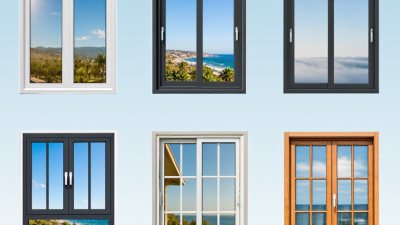

What Are the Top Types of Glass Windows? Switch to ADA Accessible Theme My windows protect me from: Triple digit heat and Disruptive noise.
Close Menu

Blog

What Are the Top Types of Glass Windows?

Choosing among the top types of glass windows is not simply a style decision. It affects comfort, energy use, daylight, safety, and long-term maintenance.

The U.S. Department of Energy reports that windows can influence roughly 25% of residential heating and cooling energy use. That figure makes glazing technology more important than many homeowners expect. The International Energy Agency also identifies building envelopes as a major pathway for reducing global energy demand. However, no single window type suits every building.

Double-glazed windows remain a practical choice for many climates. They use two glass panes and an insulating air or argon-filled space. Triple-glazed windows add another barrier, improving thermal performance in colder regions. Low-emissivity, or low-E, glass can reduce unwanted heat transfer while preserving useful daylight. Tempered glass improves impact resistance. Laminated glass can reduce noise and help hold fragments together after breakage.

Smart glass is gaining attention, although its higher cost still limits widespread use. NFRC ratings provide measurable information about U-factor, solar heat gain coefficient, visible transmittance, and air leakage. These values offer better guidance than appearance alone.

Dr. Stephen Selkowitz, a longtime Lawrence Berkeley National Laboratory building scientist, has described windows as “the most complex and dynamic component of the building envelope.” That observation remains useful. A high-performance unit can still fail when flashing, frames, or installation are poorly handled.

So, what are the top types of glass windows? The answer depends on climate, orientation, budget, noise exposure, and the building’s design. The perfect ranking does not exist. Careful comparison does.
What Are the Top Types of Glass Windows?

What Defines a Glass Window Type?

A glass window type is defined by more than its transparent surface. Its opening method, frame design, glass layers, and performance rating all matter.

Casement windows open outward on hinges, while sliding windows move horizontally along tracks. Awning windows hinge at the top and help shed light rain. Fixed windows do not open, but they provide clear views and strong daylight.

Glass construction also separates one type from another. Single-pane glass is simple, yet it offers limited insulation. Double-pane glass uses an insulating space between two sheets.

Laminated glass contains a durable inner layer that helps hold broken pieces together. Low-emissivity coatings can reduce heat transfer, although their value depends on orientation and local climate.

A sunny room may need different glass than a shaded hallway.

Tips: Check the opening direction before choosing a window. Measure the wall opening carefully. Ask a qualified installer about drainage, air leakage, and local building requirements.

Frame material deserves attention too. Wood can bring warmth, while metal and composite frames offer different maintenance needs.

Do not judge performance by appearance alone. A beautiful window can still feel cold near the edges. That detail is easy to miss.

Main Glass Window Types by Pane Construction

Single-pane windows contain one sheet of glass in each sash. They are light, affordable, and common in older buildings. However, they transfer outdoor heat quickly and offer limited noise control. During home inspections, I often notice cold glass, interior condensation, and faded furnishings near these windows. They can suit mild climates, but their comfort is limited.

Double-pane windows use two glass panes separated by a sealed air or gas-filled space. This construction slows heat transfer and reduces outside noise more effectively than single glazing. The spacer and seal matter greatly. If the seal fails, fog may appear between the panes. That small detail can indicate reduced insulating performance. Triple-pane windows add another pane and insulating cavity. They usually improve thermal comfort and sound reduction, but they also weigh more and cost more. Frames and hardware must support that extra weight.

Laminated glass uses bonded layers, often with a clear interlayer between panes. It can reduce noise and helps hold broken pieces together. Tempered glass is heat-treated for strength and breaks into smaller, less sharp fragments. It is useful near doors, bathrooms, and low-level openings. These options are not interchangeable. I once focused too heavily on pane count and overlooked the frame condition. That was a useful reminder. A well-built double-pane unit may perform better than a poorly installed triple-pane window. Placement, climate, installation quality, and maintenance all deserve careful attention.

What Are the Top Types of Glass Windows? - Main Glass Window Types by Pane Construction

Window Type Pane Construction Typical Thermal Performance Main Benefits Limitations Common Applications
Single-Pane Windows One sheet of glass in a single frame or sash; no sealed insulating air space. Lowest insulation among common window constructions; approximately R-1 to R-2 for the glass area, depending on glass thickness and conditions. Lowest initial cost; lightweight; suitable for spaces where energy efficiency is not a major concern. High heat transfer, more condensation, limited sound reduction, and less comfort near the window. Unconditioned areas, sheds, garages, historic replacements, and mild climates.
Double-Pane Windows Two panes separated by a sealed insulating cavity, commonly filled with air or an inert gas such as argon. Typical whole-window U-factors are roughly 0.25–0.50 Btu/h·ft²·°F, depending on coatings, frames, spacers, and cavity design. Much better insulation than single glazing; reduces drafts, interior-surface temperature differences, and outdoor noise. Higher cost and weight than single-pane units; failed seals can allow moisture or fogging between panes. Most residential homes, apartments, offices, and replacement-window projects.
Triple-Pane Windows Three panes with two sealed insulating cavities; cavities may contain air or inert gas. High-performance models can achieve whole-window U-factors around 0.15–0.30 Btu/h·ft²·°F, depending on design and certification. Excellent insulation, improved comfort beside the glass, and stronger sound-control potential than standard double glazing. Higher purchase price, greater weight, thicker frames, and potentially lower visible light transmission. Cold climates, high-performance homes, passive-house projects, and areas with significant exterior noise.
Laminated Glass Windows Two or more glass layers bonded with a durable interlayer, commonly made from PVB or ionoplast. Thermal performance depends on whether the unit is single-, double-, or triple-glazed; the interlayer primarily improves safety and sound control. Glass tends to remain attached to the interlayer after breakage; can reduce certain exterior sounds and block substantially more UV radiation than ordinary clear glass. Heavier and generally more expensive; not automatically impact-resistant unless the complete assembly is tested and rated for that purpose. Areas requiring enhanced safety, overhead glazing, noise-sensitive locations, and some hurricane- or impact-rated assemblies.
Tempered Glass Windows Heat-treated glass that is strengthened through controlled heating and rapid cooling. Thermal insulation is similar to ordinary glass of the same thickness; energy performance comes mainly from glazing layers, coatings, and gas-filled cavities. Stronger than annealed glass and designed to break into relatively small granular pieces when it fails. Cannot be cut, drilled, or significantly modified after tempering; spontaneous breakage is possible, though uncommon. Doors, shower enclosures, large window areas, sidelites, and locations where safety glazing is required by building codes.
Low-E Glass Windows Glass with a microscopically thin low-emissivity coating that reflects selected infrared energy while allowing visible light to pass through. Often used in double- or triple-pane units; can substantially lower heat transfer compared with clear glass, with performance varying by coating and climate orientation. Improves energy efficiency, reduces interior fading from solar radiation, and helps maintain more even indoor temperatures. Higher cost than uncoated glass; coating selection must match the climate and building orientation to avoid unwanted solar-heat effects. Energy-efficient residential and commercial windows in heating, cooling, and mixed climates.
Insulating Glass Units (IGUs) Factory-sealed assembly of two or more panes with spacer bars and sealed cavities; may combine clear, low-E, laminated, or tempered glass. Performance varies widely; gas-filled, low-E double- and triple-pane IGUs generally provide substantially better insulation than single glazing. Flexible construction, improved energy efficiency, reduced condensation, and compatibility with many frame materials and window styles. Seal failure can cause condensation between panes; units are heavier and require accurate sizing and installation. Modern residential, commercial, institutional, and high-performance building projects.

Note: Actual energy performance depends on glass coatings, pane thickness, cavity width, gas fill, spacers, frame material, window size, installation quality, and climate. U-factor values are lower when insulation is better.

Glass Windows Classified by Opening Mechanism

What Are the Top Types of Glass Windows?

Glass windows are often classified by how their sashes open, not by glass appearance alone. Fixed windows do not open, so they provide daylight with minimal air leakage. Sliding windows move horizontally along tracks. They suit narrow rooms, but their overlap can limit ventilation. Double-hung windows move vertically. Their upper and lower sashes allow controllable airflow, especially in traditional residential layouts.

Casement windows hinge from one side and open outward with a crank. When positioned toward prevailing winds, they can capture moving air effectively. Awning windows hinge at the top, helping ventilate rooms during light rain.

Tilt-and-turn windows offer two positions: inward tilting for ventilation and full turning for cleaning. Pivot windows rotate around a central axis. They can create dramatic openings, but hardware selection matters. Poorly balanced sashes feel uncomfortable.

Performance still depends on installation. The U.S. Department of Energy reports that heat gain and loss through windows can account for 25%–30% of residential heating and cooling energy use. The National Fenestration Rating Council also identifies U-factor and solar heat gain coefficient as key comparison measures. Opening mechanisms influence those results through seals, frame design, and moving joints.

In site reviews, I have seen attractive sliding units become difficult to operate after debris entered the tracks. Small details matter. A 2023 building-envelope report from the U.S. Department of Energy emphasizes airtight installation and proper flashing around fenestration.

No mechanism wins everywhere. A casement may improve airflow, yet it needs exterior clearance. A fixed pane may save energy, but it cannot replace fresh-air ventilation. Decisions should match climate, room use, cleaning access, and maintenance habits.

Specialty Glass Windows for Safety and Efficiency

What Are the Top Types of Glass Windows?

Specialty Glass Windows for Safety and Efficiency

Specialty glass windows do more than brighten a room. They can reduce heat gain, limit injury risks, and improve indoor comfort. The U.S. Department of Energy reports that windows account for about 25–30% of residential heating and cooling energy use. That figure makes glass selection a practical energy decision, not merely an architectural preference.

Low-emissivity, or low-E, glass uses a thin coating to reflect infrared heat. In winter, it helps retain warmth. In summer, it can reduce unwanted solar gain. Check the window’s U-factor and solar heat gain coefficient before purchasing. Lower U-factor generally means better insulation. However, the best rating depends on local climate and building orientation. A highly reflective window may reduce heat but darken a living space. That trade-off is easy to overlook.

For safety, tempered glass breaks into smaller granules after severe impact. Laminated glass holds together because a polymer layer remains bonded between two panes. This design suits doors, bathrooms, stairways, and windows near floor level. The National Fenestration Rating Council emphasizes comparing certified U-factor, solar heat gain, and visible transmittance ratings. Ratings help, but installation still matters. A poorly sealed frame can waste the performance promised by advanced glass. I have seen beautiful glazing fail at the edges. Selection deserves patience.

What Are the Top Types of Glass Windows?

Specialty Glass Windows for Safety and Efficiency

The chart shows representative center-of-glass U-factors in W/m²·K. Lower values indicate better resistance to heat transfer and improved energy efficiency. Tempered and laminated glass improve safety, while low-emissivity coatings, insulating air spaces, and argon gas typically provide the greatest thermal improvements. Actual whole-window performance varies with the frame, spacer, installation, and product design.

How to Choose the Right Glass Window Type

Choosing the right glass window type starts with the room’s actual needs.

Clear glass provides natural light and an unobstructed view. It may suit living rooms, but it offers limited heat control. Low-emissivity glass reduces heat transfer and can improve indoor comfort. It is useful near large, sunny windows.

Think about safety and privacy, too.

Tempered glass is stronger than ordinary glass and breaks into smaller, less dangerous pieces. It works well in doors, bathrooms, and low-level windows.

Laminated glass holds together after impact. That makes it a practical choice near entrances or busy streets.

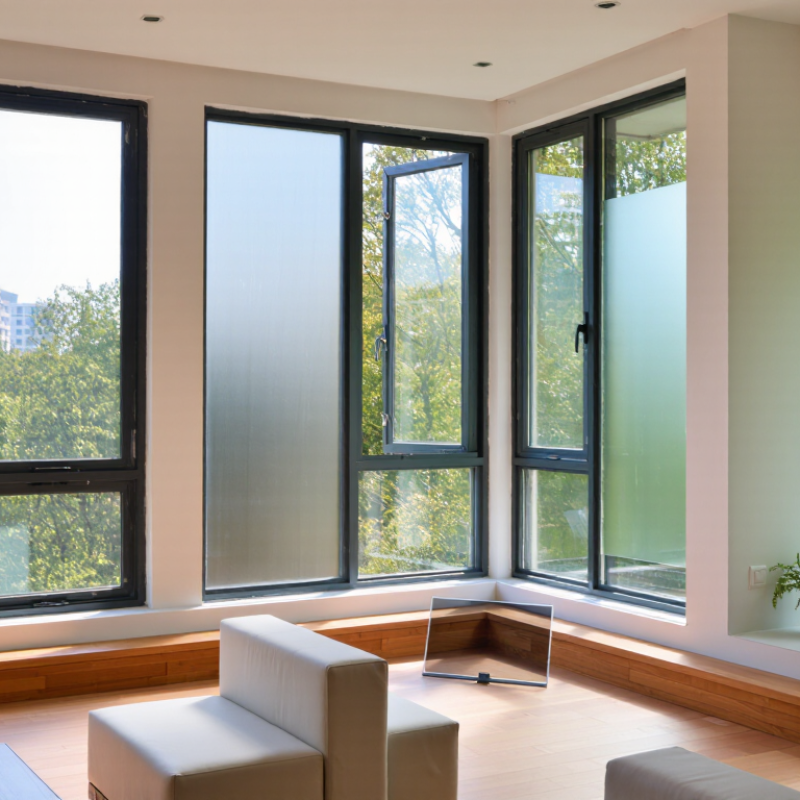
Frosted or patterned glass softens daylight while protecting privacy. It can suit bathrooms, stairwells, and bedrooms.

Climate should guide the final decision.

Double-glazed units can reduce outside noise and cold drafts, especially in cooler regions. In hot areas, solar-control glass may limit glare and unwanted heat. Window direction matters. A west-facing window often receives harsh afternoon sun.

Frame quality and installation also affect performance; excellent glass cannot fix a poor seal. A common mistake is choosing by appearance alone. It looks simple at first.

Check the U-value, solar heat gain rating, safety requirements, and maintenance needs. Local building rules may also affect the permitted glass type. When measurements, shading, or ventilation are uncertain, consult a qualified window professional before ordering.

*$250 Off/Window $500 Off/Door. Minimum of 4 Windows. Max savings not to exceed $2,500. Must present coupon at time of estimate. Some restrictions apply. Cannot be combined with any other offers. Call or see the website for details. www.mpwindowsanddoors.com. Offer Expires 9/30/25. CSLB# 778326. 100% Employee Owned.

Contractor's License CSLB #778326.