What Are the Top Types of American Home Windows?
Choosing windows can change how a home feels, not just how its exterior looks. The best-known american home windows include double-hung, casement, sliding, awning, picture, and bay styles. Each works differently. Double-hung windows have two movable sashes, making them familiar and practical for many rooms. Casement windows open outward on hinges and can catch a breeze when positioned thoughtfully. Sliding windows move horizontally, a useful feature where projecting sashes might meet a walkway or patio.
The right choice depends on the room, local weather, ventilation needs, and upkeep—not appearance alone. For example, a picture window can frame a leafy yard and bring in daylight, but it does not open for fresh air. Bay and bow windows add depth, though their larger assemblies may need careful installation and sealing. Details matter. Frame material, glass options, hardware, and professional fitting all affect comfort and long-term performance. Check product performance information, such as applicable energy ratings, rather than relying on a style name as proof of efficiency. A window that suits one house may feel awkward in another; even a popular option can disappoint if its proportions or operation do not fit the space. This guide compares common window types, their strengths, and their trade-offs so homeowners can ask better questions before choosing. There is no perfect window for every home. A little uncertainty is useful: measurements, exposure, and daily habits deserve a closer look before a final decision.
American Home Window Types by Operation: Hung, Sliding, Casement, Awning, and Fixed
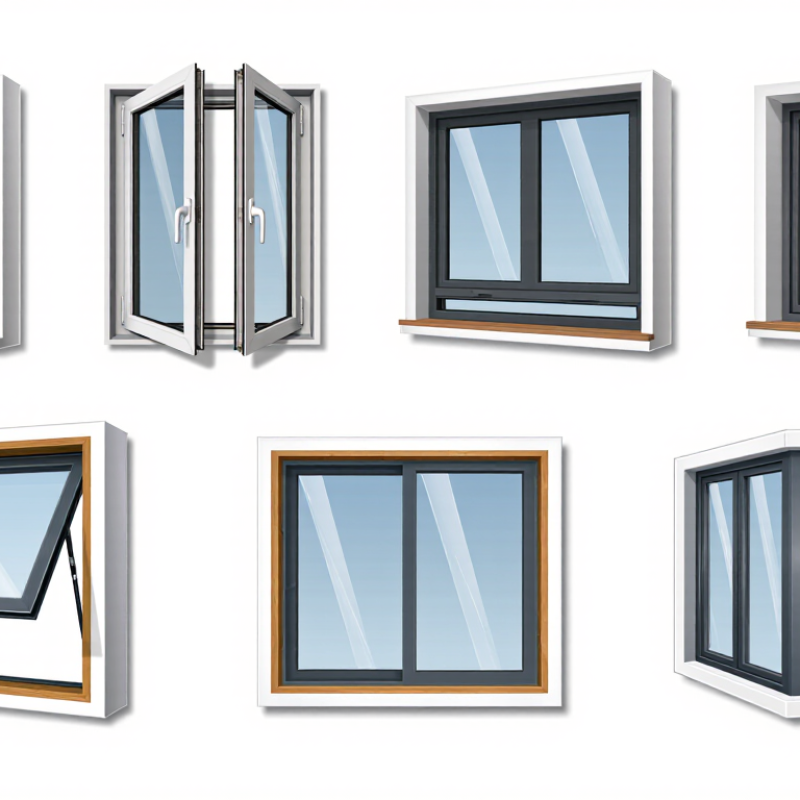
A window’s operation affects ventilation, cleaning, and how furniture fits nearby. Hung windows move vertically, with one or both sashes sliding up and down. Double-hung models let you open the top sash, which can help warm air escape. They suit many traditional rooms. Not always the easiest to operate. Sliding windows move horizontally along a track, making them practical beside patios or counters where an outward-opening sash could get in the way.
Casement windows hinge at the side and swing outward, usually with a crank. Their wide opening can catch a breeze, but nearby shrubs or walkways may limit that movement. Awning windows hinge at the top and tilt outward. They can admit air during light rain, though wind-driven rain may still enter. Small details matter: check that the opened sash will clear screens, trim, and outdoor fixtures.
Fixed windows do not open, so they provide daylight and an unobstructed view without ventilation. They often pair well with an operable window nearby. A sunny living room might use a broad fixed pane beside a casement, while a narrow bathroom could benefit from an awning unit. The right choice depends on room layout, reach, and cleaning access. I would not choose by appearance alone; a hard-to-reach sash can become an everyday annoyance.
Specialty Window Designs: Bay, Bow, Picture, and Garden
Bay, bow, picture, and garden windows change a room in different ways. A bay window usually combines a large center pane with angled side windows, creating a deep sill for plants or a reading seat. A bow window uses several joined panels to form a gentler curve. Both project beyond the exterior wall, so they need suitable structural support and careful weather sealing. The extra space is appealing. It can also complicate installation.
A picture window is fixed, with no opening sash. Its broad glass frames a view and brings in daylight, but ventilation must come from other windows. A garden window typically projects outward above a kitchen sink, with glass sides and a small shelf for herbs. That shelf gets bright. It may also heat up quickly, so consider sun exposure and shade.
Tips: Before choosing, check the wall structure, available space, and how each window affects airflow. Ask a qualified installer to assess support and flashing. Compare glass performance, too; a lovely design may feel less comfortable if it creates drafts or unwanted heat. The first plan may need revision. That is worth noticing early.
What Are the Top Types of American Home Windows? — Specialty Window Designs: Bay, Bow, Picture, and Garden
| Window Type |
Typical Design |
Operation |
Light and View |
Common Uses |
Planning Considerations |
| Bay |
Usually combines three window sections set at different angles, with the center section often larger than the sides. |
Operation depends on the selected units; side sections may open, while the center section may be fixed or operable. |
Projects outward from the wall to create a broad view and bring in light from multiple directions. |
Living rooms, dining areas, and other spaces where a projecting window seat or extra interior space is desired. |
Projection, roof or head details, support, and the operation of individual sections should be planned for the specific opening. |
| Bow |
Uses four or more window sections arranged in a gentle curve across the exterior wall. |
Sections may be fixed or operable, depending on the configuration. |
Creates a wide, curved viewing area and admits light across a broader span than a single flat window. |
Living rooms, bedrooms, and other areas with enough wall space for a curved projection. |
Requires adequate space and careful coordination of the curved assembly, exterior trim, and structural support. |
| Picture |
A large, fixed pane designed to frame an unobstructed view. |
Does not open; ventilation must come from other windows or doors. |
Provides a clear view and can admit substantial daylight, depending on its size, orientation, and glazing. |
Rooms where a view or daylight is a priority and separate ventilation is available. |
Because it is fixed, consider access for cleaning and how the surrounding space will be ventilated. |
| Garden |
A small, box-like window that projects outward, commonly with glazed sides and a sloped glass top. |
The main front pane is typically fixed; some designs include operable side vents. |
Brings light into a compact area and provides a small display space for plants or other items. |
Kitchens and other locations suited to a small projecting display area. |
Check projection clearance, water management, and the window’s exposure; direct sun and temperature changes can affect plants and stored items. |
Common Window Frame Materials: Vinyl, Wood, Fiberglass, and Aluminum
American Home Windows: Comparing Frame Materials
Vinyl, wood, fiberglass, and aluminum each solve a different problem. Vinyl frames resist moisture and need little upkeep, but dark colors can absorb heat, and frame dimensions may limit some designs. Wood offers a warm, paintable interior and useful insulation; it also needs careful sealing, especially where rain repeatedly hits the sill. Small maintenance details matter.
Fiberglass is dimensionally stable through temperature swings and can be finished to resemble painted wood. Its initial cost may be higher, and local availability varies. Aluminum is strong and supports narrow sightlines, letting more glass into a room. Yet metal conducts heat readily; thermal breaks are important in cold or hot climates. A frame alone does not determine comfort.
The U.S. Department of Energy’s Energy Saver guidance estimates that heat gain and loss through windows account for 25–30% of residential heating and cooling energy use. That figure describes windows as a whole, not any single frame material. Compare whole-window U-factor and solar heat gain coefficient ratings, not just frame labels. A cold sill or afternoon glare can reveal a mismatch that a showroom sample will not. I would not treat any material as universally best; even a well-rated window can disappoint if poorly installed.
Comparing Efficiency with NFRC U-Factor and SHGC Ratings
Double-hung, casement, sliding, and picture windows can all perform well; the style alone does not determine efficiency. Check the NFRC label for the complete window, not just the glass. U-factor measures heat transfer, and a lower value generally means less heat escapes in winter. SHGC measures how much solar heat passes through the window; lower values can help limit summer heat gain. Both ratings are expressed as numbers, not grades. That matters.
The U.S. Department of Energy estimates that heat gain and loss through windows account for 25–30% of residential heating and cooling energy use. That makes the ratings worth comparing, especially when replacing several windows.
In a cold climate, a low U-factor may be a priority; in a sunny room, a lower SHGC may reduce afternoon overheating. But orientation, shade, and local weather can change the best choice.
NFRC ratings help compare products under consistent procedures, yet they cannot predict every home’s comfort. A large south-facing picture window may behave differently from a shaded north-facing casement, even with similar numbers.
One imperfect shortcut is choosing the lowest figure in every category. Not always. Balance the ratings with the room’s exposure, and check that the label covers the full window assembly, including its frame.
Sources: NFRC, “Understanding Window Ratings”; U.S. Department of Energy, “Energy Efficient Window Coverings.”
ENERGY STAR: Certified Windows Can Save 13% on Bills vs. Single-Pane Windows
American homes use several window styles, including double-hung, casement, sliding, picture, and bay windows. Their appearance matters, but glass, frame quality, and installation also affect comfort and energy use. ENERGY STAR-certified windows can save an estimated 13% on energy bills compared with single-pane windows. That figure offers a useful benchmark, not a guaranteed result for every home.
The difference can feel tangible on a cold morning. A single-pane window may leave a chilly patch near the sofa, while a well-sealed replacement can reduce drafts and help rooms hold their temperature. Double-hung windows suit many traditional homes; casement windows can close snugly against their frames. Still, style alone does not determine performance. Check the window’s efficiency ratings and confirm that its specifications suit your local climate.
Savings depend on the home, utility rates, weather, and how often heating or cooling runs. Replacing every window may not be practical, either. A drafty room with old single-pane glass could be a sensible place to start, though the payback deserves a careful look. Installation matters: even efficient glass can disappoint if air slips around the frame. Ask a qualified installer how the proposed window will be sealed and fitted before comparing estimates.
American Home Windows: Potential Energy-Bill Savings
Illustrative index comparing single-pane windows with certified replacement windows. The single-pane baseline is set to 100; a 13% reduction corresponds to an index of 87.
ENERGY STAR reports that replacing single-pane windows with certified windows can save an average of 13% on energy bills. Actual savings vary by home, climate, energy use, and window installation.