
What Are the Top 10 Types of Doors for Buyers? Switch to ADA Accessible Theme My windows protect me from: Triple digit heat and Disruptive noise.
Close Menu

Blog

What Are the Top 10 Types of Doors for Buyers?

Choosing a door involves more than picking a style that looks good in a showroom. A door affects security, comfort, noise, and the way people move through a home. The top doors for one buyer may not suit another. A heavy solid-core interior door, for example, can soften sound between rooms, while a glazed patio door brings daylight into a living area. Small details matter. Check the frame, hardware, finish, and how much space the door needs to open. Worth checking. Climate and exposure also count: a sunny entry or damp bathroom places different demands on materials than a sheltered bedroom does.

This guide explores 10 common door types and the practical trade-offs buyers should consider. It covers familiar choices such as entry, interior, sliding, French, pocket, and bi-fold doors, alongside options suited to specific spaces. Each type has benefits, but none is best in every home. A glass panel may brighten a hallway, yet offer less privacy. A pocket door saves floor space, but repairs inside the wall can be inconvenient. That is easy to overlook. Use the comparisons to weigh appearance, durability, maintenance, budget, and installation needs. Rankings can simplify a decision, but they cannot account for every floor plan or household routine. Measure the opening, consider daily use, and ask a qualified installer about requirements before buying.
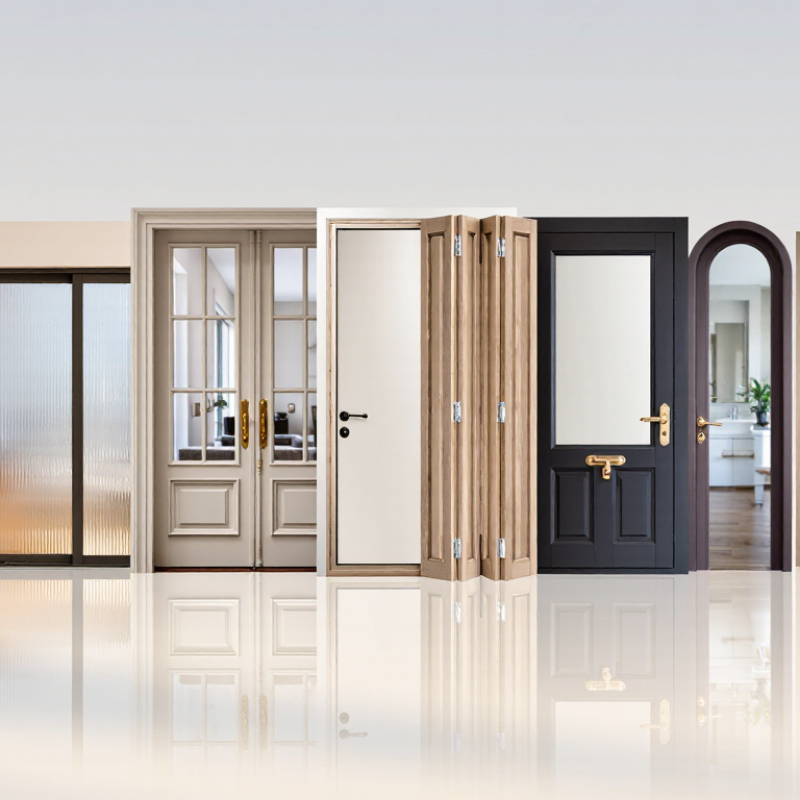
What Are the Top 10 Types of Doors for Buyers?

Understanding How Door Types Differ in Design, Materials, and Function

A door changes how a room moves, sounds, and feels. Hinged doors suit most rooms and offer reliable privacy. Sliding doors save floor space, while French doors bring daylight through paired glass panels. Pocket doors disappear into the wall, but repairs can be harder if their tracks fail. Bifold doors fold neatly for closets and laundry areas. Small rooms matter.

Pivot doors turn on floor and ceiling hardware, creating a broad, striking entry. Dutch doors split horizontally, letting in air while keeping the lower half closed. Barn doors glide along an exposed rail; they need clear wall space and may leave sound gaps. Flush doors have smooth, plain faces that suit restrained interiors. Louvered doors use angled slats to support airflow, often in closets or utility spaces.

Material affects weight, upkeep, and insulation. Solid wood feels substantial, but humidity can cause movement; steel is sturdy, while fiberglass resists moisture and needs little maintenance. Glass brightens a room, though privacy and cleaning deserve thought. Check the opening, swing path, frame, and hardware before choosing. A door can look right in a sample and feel awkward at home. That part is easy to underestimate.

What Are the Top 10 Types of Doors for Buyers?

Typical space-saving potential by door type, rated on an illustrative 1–5 scale. Sliding and pocket doors avoid a conventional swing arc; hinged doors generally need clearance in front of the opening.

Scores are qualitative comparisons, not standardized test results. Actual performance depends on the door’s dimensions, installation, materials, and surrounding layout.

The 10 Main Door Types Buyers Should Know

Buyers should match door type to traffic, space, weather, and privacy needs. A hinged door suits most rooms and is easy to repair. Sliding doors save floor space and frame patio views; French doors add a wider opening but need swing clearance. Pocket doors disappear into the wall, while bifold doors fold neatly beside a closet. Pivot doors turn on offset hinges and need careful installation. Barn doors slide along an exposed rail, but they leave gaps around the edges. Dutch doors split horizontally. Storm doors add a protective outer layer, and garage doors secure large vehicle openings. Small details matter.

Performance deserves equal attention. Check the frame, seals, glazing, hardware, and local climate before choosing a style. A poorly fitted door can feel drafty, even when its materials look substantial. The 2024 Cost vs. Value report from Remodeling and Zonda estimated that a steel entry-door replacement cost $2,355 on average and added $4,430 in resale value, or 188.1% cost recouped. That is a national project benchmark, not a guaranteed return for every home. It also says little about comfort or maintenance. Measure the opening twice; even experienced buyers sometimes overlook the threshold.

Comparing Door Types by Space, Privacy, Security, and Maintenance

Choosing among the top 10 door types means weighing more than appearance.

Hinged doors are familiar and easy to repair, but need clear floor space.

Sliding doors save room and bring in daylight; check that their tracks stay clean and their locks engage firmly.

Pocket doors disappear into a wall, though repairs can be harder if the track is concealed.

Bifold doors open wide for closets, but their many joints may need adjustment.

French doors create a broad opening, yet their glass can reduce privacy unless paired with curtains or textured panes.

Pivot doors make a striking entrance, but their size and hardware can require careful installation.

Barn-style doors leave the floor clear, though gaps often limit sound and privacy.

Dutch doors offer flexible airflow, but the split design adds hardware to maintain.

Solid-core doors generally provide better sound reduction and a sturdier feel than hollow-core versions.

Glazed doors brighten dark areas, but glass choice matters for privacy and impact resistance.

Small rooms benefit. One trade-off is easy to miss: a space-saving door may be less effective at blocking sound.

For exterior security, assess the complete assembly—door, frame, hinges, and lock—not just the door material.

A quick fit check helps; even a slight misalignment can cause daily friction.

Matching Door Types to Rooms, Homes, and Building Needs

A hinged door is a dependable choice for bedrooms and offices, where privacy matters more than saving floor space. Sliding doors suit patios and narrow rooms, but check that furniture will not block the opening. Pocket doors disappear into the wall and can free up a cramped bathroom or laundry area. They need suitable wall space, though; plumbing and wiring can complicate installation. French doors bring daylight between rooms, while bifold doors work well for closets and wide storage openings. Measure carefully.

For compact kitchens or utility spaces, a Dutch door can provide ventilation while keeping the lower half closed. Louvered doors allow airflow in closets, but offer less sound and visual privacy. Barn-style doors make a clear design statement and avoid a floor swing. Yet gaps around the panel may be unsuitable for rooms needing strong privacy or noise control. A pivot door can create a generous, modern entrance, though its weight and hardware require careful planning.

Building needs may matter more than appearance. Fire-rated doors belong where a building’s design or local requirements call for them; confirm the rating and installation details with a qualified professional. Exterior doors also need to handle weather, security, and frequent use. Match the door to the room, the available clearance, and the people using it.

One detail is easy to miss: an elegant door that collides with a radiator is still the wrong door.

Choosing a Door Based on Budget, Fit, and Long-Term Use

Door choices include hollow-core, solid-core, wood, steel, fiberglass, glass, French, sliding, pocket, and bi-fold designs. Start with the opening, not the style. Measure its width, height, depth, and frame condition; then check which way the door can swing without hitting furniture or a walkway. Measure twice. A pocket door can save floor space, but installation may require changes inside the wall. A sliding door needs clear wall space. These details can add labor costs that a low sticker price hides.

Set a budget that includes the door, hardware, fitting, and likely upkeep. Hollow-core doors often cost less and suit quiet interior areas, while solid-core options can feel sturdier and reduce sound transfer. Exterior doors face weather, so compare insulation, sealing, and maintenance needs. Steel and fiberglass may need less routine care than some wood doors, but quality and local conditions matter. Small detail, big cost. A heavy door on a weak frame may sag; an oversized door may need trimming or a new frame. Ask an experienced installer to assess unusual openings before buying. I once assumed a standard size would fit. It didn’t. A little uncertainty is better than paying twice.

*$250 Off/Window $500 Off/Door. Minimum of 4 Windows. Max savings not to exceed $2,500. Must present coupon at time of estimate. Some restrictions apply. Cannot be combined with any other offers. Call or see the website for details. www.mpwindowsanddoors.com. Offer Expires 9/30/25. CSLB# 778326. 100% Employee Owned.

Contractor's License CSLB #778326.