10 Tips for Choosing Glass Doors and Windows
Choosing glass doors and windows is not merely a style decision. The choice affects daylight, indoor comfort, noise, security, and energy use. The U.S. Department of Energy’s Energy Saver guidance estimates that heat gain and heat loss through windows account for about 25%–30% of residential heating and cooling energy use. That is a broad estimate, not a guarantee for every home. Climate, orientation, shading, and installation can change the result.
The National Fenestration Rating Council (NFRC) provides certified ratings that help buyers compare products. Its labels show measures such as U-factor and solar heat gain coefficient (SHGC), which describe heat transfer and sunlight entering a space. Read the label, not just the showroom tag. A lower U-factor generally means better insulation, while an appropriate SHGC depends on local climate and exposure. Small details matter. So does the frame.
These ten tips will help you weigh performance, materials, glazing, hardware, ventilation, and maintenance before choosing. They also encourage practical checks: measure each opening, inspect the sill, and consider how a door will swing beside furniture. Ask installers about flashing and air sealing, not only the glass specification. A strong rating can still disappoint in a poorly fitted frame. I would not pretend one number settles everything; even careful comparisons leave trade-offs. The best choice should suit the building, the weather, and the way people actually use the room.
Assess Your Space, Climate, and Functional Needs
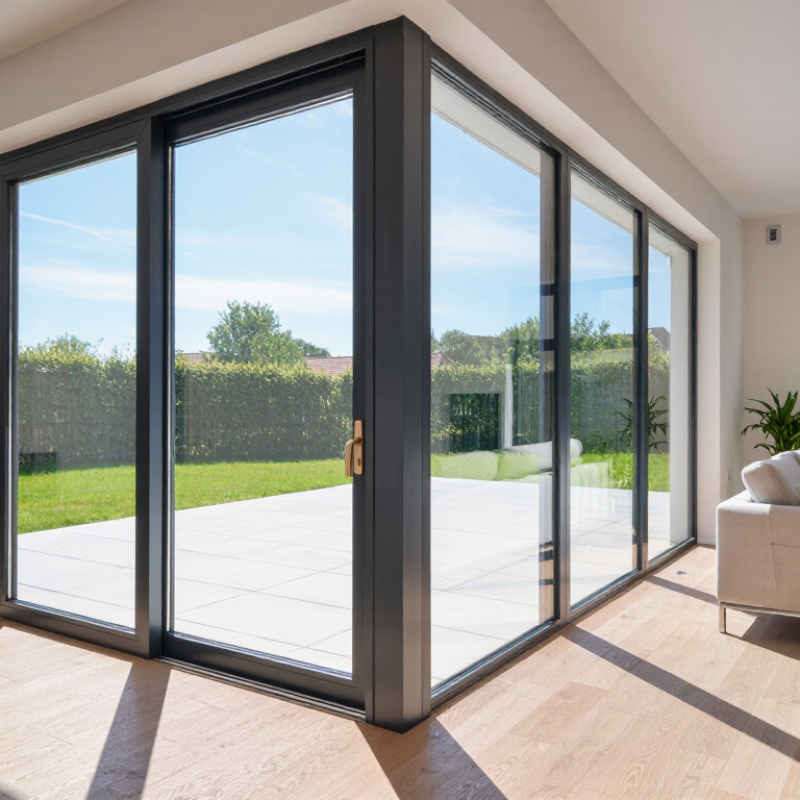
Start with the room, not the catalog. Measure the rough opening, wall depth, and nearby furniture before comparing glass doors or windows. A wide door may brighten a room, but it can also block a walkway when open. The U.S. Department of Energy estimates that windows account for 25–30% of residential heating and cooling energy use. That makes fit and performance more than cosmetic details (DOE, Energy Saver: “Update or Replace Windows”).
Climate changes what “good performance” means. In cold regions, prioritize a low U-factor to limit heat loss; in sunny, hot areas, consider a lower solar heat gain coefficient, especially on west-facing glass. ENERGY STAR estimates that replacing single-pane windows with certified models can reduce household energy bills by about 7–15%, though actual savings depend on climate, home, and installation. Check the National Fenestration Rating Council label to compare ratings consistently.
Consider daily use, too. A sliding patio door needs clear floor space and a track that can be cleaned; a hinged door needs room to swing. For bedrooms or street-facing rooms, balance daylight with privacy, glare control, and ventilation. Think about condensation near the frame on cold mornings, not just the view on a showroom wall. One easy-to-miss detail: confirm the threshold height and weather seals before ordering. I would measure twice. Install quality matters, and even a high-rated unit can underperform if gaps remain around its frame.
Compare Glass Types, Ratings, and Energy Performance
Glass performance depends on more than pane count. The U.S. Department of Energy estimates that heat gain and loss through windows account for 25–30% of residential heating and cooling energy use. Start with climate. Compare the National Fenestration Rating Council (NFRC) label’s U-factor, which measures heat transfer, and solar heat gain coefficient (SHGC), which measures admitted solar heat. Lower U-factor generally means better insulation; a lower SHGC can help limit intense sun.
Tip: Match ratings to your home’s exposure. For a west-facing room with afternoon glare, consider low-SHGC glass. In a cold climate, prioritize a low U-factor. Double glazing with a low-emissivity coating can reduce heat transfer, while triple glazing may help in harsher conditions. Check visible transmittance too, so energy gains do not leave the room dim.
Read the whole rating, not just the glass description. NFRC ratings compare tested products under consistent procedures, but the frame and installation also affect real performance. A high-performing pane cannot seal a poorly fitted opening. Ask for the rated assembly and inspect the edges, spacers, and weather seals. I’d still compare quotes carefully; ratings help, but they do not predict every room’s comfort.
Choose Frame Materials, Door Styles, and Window Configurations
Frame materials affect comfort, upkeep, and how much glass your opening can support.
Wood offers a warm finish and useful insulation, but exposed edges need regular attention. Fiberglass resists swelling and can handle changing temperatures, though finishes and costs vary. Aluminum frames look slim and modern; thermal breaks help limit heat transfer. Vinyl needs little painting, but check its stiffness and available sizes for large openings. Touch a sample, if possible. A showroom sample may not reveal how a frame feels beside a cold window in winter.
Door style should match the room’s traffic and outdoor space.
Sliding glass doors save clearance, which helps in narrow rooms or beside furniture. Hinged French doors open wide, but need a clear swing path. For a patio used every day, test the handle and threshold in person. A low threshold can ease foot traffic, yet drainage details matter where rain collects. Small details count.
Window configurations shape light, ventilation, and privacy.
Casement windows crank outward and can catch breezes, while double-hung styles allow airflow from two sash positions. Fixed panes suit views but do not open. Combine operable and fixed sections where you want both fresh air and broad, uninterrupted glass. Before ordering, measure the opening at several points and confirm wall depth, trim, and screen needs with an experienced installer. I once assumed a wide picture window would fit neatly; the trim changed the usable opening more than expected.
Check Safety Features, Durability, and Building-Code Requirements
Safety starts with the glass, not the frame’s appearance. For doors and low windows, ask whether the location requires tempered or laminated glazing. Tempered glass breaks into smaller pieces, while laminated glass can stay bonded to an inner layer after cracking. They serve different purposes. Confirm the specification with a qualified installer, rather than guessing from a product description. Small details matter.
Check hinges, locks, rollers, and seals, too. A heavy sliding door should move smoothly without rattling or sticking. Look for sturdy hardware and seals that sit evenly along the frame. In coastal or wet areas, ask how materials resist corrosion and moisture. It is tempting to judge durability by a solid-feeling handle alone. That can overlook weak rollers or poor installation. I may be overcautious, but those parts often get the daily wear.
Building-code requirements can vary by location and by the room’s use. Ask the local building department or a licensed professional about safety glazing, wind loads, energy performance, permits, and any required emergency escape openings. Keep the written specifications and inspection records. A beautiful window may still be unsuitable if it blocks a required exit or cannot handle local weather. Check before ordering, when changes are easier.
Plan Measurements, Installation, Budget, and Ongoing Maintenance
Measure every opening, not just one representative window. Record width at the top, middle, and sill, then height at both sides and center. Note the smallest readings, wall condition, door swing, and threshold height. Uneven openings are common. A small measuring mistake can create a costly fit problem, so have the installer confirm dimensions before ordering.
Build installation and maintenance into the budget. Include flashing, trim, disposal, and possible sill repairs in the written quote; the glass price alone can mislead. The U.S. Department of Energy estimates that heat gain and loss through windows account for 25–30% of residential heating and cooling energy use. ENERGY STAR says replacing single-pane windows with certified models can save an average of 12% on energy bills, though results vary by climate and home. These figures help frame value, but they do not guarantee savings for a particular property.
Ask how the installer will seal the frame and manage water drainage. After installation, keep tracks clear, rinse weep holes, and inspect caulk and weatherstripping each year. Use mild cleaner and a soft cloth. Small details matter. I would not assume a low-maintenance label means no maintenance; seals still age, and drainage can clog. One imperfect part of planning is predicting future upkeep, so keep the care instructions and note any changes you spot.
10 Tips for Choosing Glass Doors and Windows
Plan measurements, installation, budget, and ongoing maintenance with a clear view of where a sample project budget may go.
This illustrative allocation totals 100% and is a planning example, not a market average. Actual costs vary with measurements, product specifications, installation conditions, local fees, and finishing needs. Get itemized quotes and keep a contingency for unexpected work.