
China Top 10 Eco Friendly Windows Manufacturers Switch to ADA Accessible Theme My windows protect me from: Triple digit heat and Disruptive noise.
Close Menu

Blog

China Top 10 Eco Friendly Windows Manufacturers

China’s window industry is moving toward lower-carbon building envelopes, driven by stricter energy standards and rising demand for efficient renovation. The International Energy Agency reports that buildings consume about 30% of global final energy and produce approximately 26% of energy-related emissions. Windows remain a small surface area, yet they strongly influence heat gain, heat loss, daylight, and indoor comfort.

This guide introduces China’s top 10 eco friendly windows manufacturers through practical performance indicators. These include U-value, solar heat-gain coefficient, airtightness, recycled material content, and product durability. The selection also considers experience in residential, commercial, and passive-house projects. Certifications such as China Compulsory Certification, ISO management standards, and relevant European or North American testing can strengthen supplier reliability. Still, certification alone is not enough. Installation quality matters greatly.

A well-made window can fail when frames are poorly aligned or seals are damaged. The 2023 Global Status Report for Buildings and Construction, published by UNEP and GlobalABC, highlights the urgent need to reduce building-sector emissions through better efficiency and material choices. Chinese manufacturers are responding with low-emissivity glass, thermally broken aluminium, recycled PVC, and timber-aluminium systems. Some products look impressive on paper. Their real performance needs project evidence, laboratory data, and after-sales support. No ranking can capture every regional strength, and “green” claims require careful verification. This overview therefore aims to support informed sourcing, not promote a single technology or supplier.
China Top 10 Eco Friendly Windows Manufacturers

Eco-Friendly Window Manufacturing in China: Industry Overview

China’s eco-friendly window industry is moving from basic insulation toward measured whole-building performance. Manufacturers now combine low-emissivity glass, thermal breaks, recycled aluminum, and carefully engineered seals. These parts work together. A strong frame cannot compensate for poor installation.

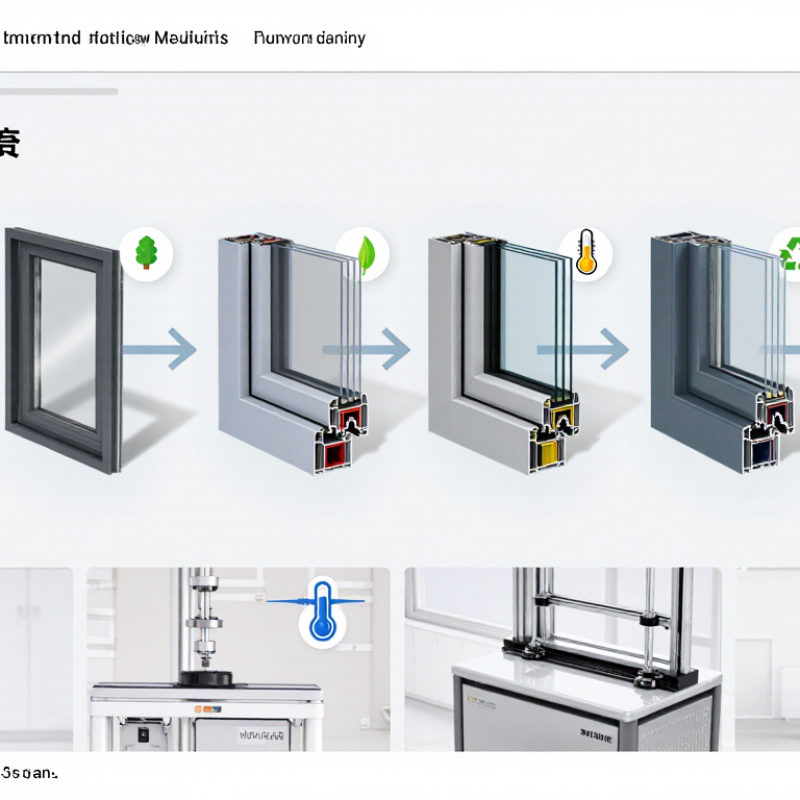
Production quality depends on more than material selection. Modern factories use profile extrusion controls, automated cutting, and chamber testing for air leakage, water resistance, and wind pressure. Engineers also review solar heat gain, visible light, and local climate conditions.

A window suited to Harbin may perform poorly in Shenzhen. That detail matters.

Many manufacturers are improving powder-coating processes, reducing production waste, and separating aluminum for recycling. Some facilities track energy use per production line, although reporting methods are not always consistent. This is a weakness worth questioning. “Eco-friendly” should mean documented performance, not attractive wording. Buyers should request test reports, thermal calculations, product traceability, and installation guidance. Site experience shows that small gaps around the frame can undermine expensive glass. Factory inspection and sample testing remain practical safeguards. Certification helps, but it does not replace independent verification. The industry is progressing, though its environmental claims still need clearer evidence and more comparable data.

Key Criteria for Evaluating Sustainable Window Manufacturers

China Top 10 Eco Friendly Windows Manufacturers

When evaluating sustainable window manufacturers, start with verified performance, not attractive brochures. The U.S. Department of Energy reports that windows can cause 25–30% of household heating and cooling energy use. Compare U-factor, solar heat gain coefficient, visible transmittance, and air leakage. A low U-factor alone can mislead. A window may insulate well but admit excessive summer heat. Ask for current third-party laboratory reports and National Fenestration Rating Council-equivalent ratings.

Material transparency matters too. Request environmental product declarations, recycled-content evidence, and factory energy records. The International Energy Agency’s 2023 Global Status Report states that buildings consume about 30% of global final energy. Manufacturing decisions therefore deserve serious attention. Check whether the producer measures glass, frames, coatings, packaging, and transport. ISO 14001 certification can indicate an environmental management system, but it does not prove low carbon emissions. That distinction is often missed.

Tips: Visit the production site when possible. Examine sealant storage, waste sorting, and thermal-break installation. Ask how failed units are handled. Require warranty terms, replacement-part availability, and test dates in writing. No scorecard is perfect. I would also compare whole-life value, because the cheapest window may need earlier replacement. Site experience still matters; laboratory data cannot reveal every installation problem. Look for clear answers, consistent documents, and independent verification rather than impressive sustainability language.

China’s Top 10 Eco-Friendly Window Manufacturers

China’s top 10 eco-friendly window manufacturers should be judged by measurable performance, not attractive brochures. Key indicators include U-values, solar heat-gain coefficients, air leakage, recycled content, and verified environmental declarations. The International Energy Agency reported that buildings consumed about 30% of global final energy in 2022. Windows can influence heating and cooling demand significantly. The U.S. Department of Energy estimates that window heat gain and loss may account for 25–30% of household heating and cooling energy use. These figures explain why low-emissivity glass, insulated frames, warm-edge spacers, and accurate installation matter.

A reliable top-10 assessment should also examine factory quality control, testing laboratories, warranty evidence, and compliance with Chinese thermal-performance standards such as GB/T 8484. Recycled aluminium sounds positive, but the energy used in processing still deserves review. That part is often overlooked. Manufacturers serving northern cities may prioritize insulation, while southern projects need stronger solar control and moisture resistance. Product selection should follow climate data, building orientation, and ventilation design.

Tips: Ask for certified U-values and whole-window test results, not glass-only figures. Check installation details around corners and joints. Small gaps can waste large amounts of energy. Request environmental product data where available, but treat marketing claims carefully. The shortlist may change as testing methods improve, and some published figures remain difficult to compare fairly.

Materials, Technologies, and Environmental Certifications

China’s top 10 eco-friendly window manufacturers increasingly combine recycled aluminum, low-emission glass, and responsibly sourced timber. Recycled aluminum lowers demand for primary metal, while durable powder coatings extend service life. Low-E glass reduces heat transfer through microscopic metal layers. Argon-filled cavities improve insulation further. Timber windows may carry FSC certification when wood comes from controlled sources.

Manufacturers also use thermal breaks, automated cutting, and digital energy simulations. These technologies reduce material waste and improve frame accuracy. Factory quality teams often test air leakage, water resistance, wind pressure, and thermal performance. Environmental certifications such as ISO 14001 can indicate structured environmental management. Product-level declarations, including EPDs, offer clearer carbon information. However, certification scope matters. A factory certificate does not automatically cover every window model. Some claims still need checking.

Tips: Request current certificates, test reports, and material declarations before comparing suppliers. Ask whether recycled content is pre-consumer or post-consumer. Check the glass spacer, sealant, frame coating, and hardware separately. A highly insulated window can still perform poorly after careless installation. Visit the production site when possible. Look for labeled material storage, dust collection, and visible waste sorting. Energy claims may sound impressive, but local climate, orientation, and installation quality change the result. Performance is never only about the frame.

China Top 10 Eco-Friendly Windows Manufacturers – Materials, Technologies, and Environmental Certifications

This chart presents representative center-of-glass U-factor benchmarks for commonly used window technologies. Lower U-factor values indicate better thermal insulation. Actual performance varies with frame material, spacer design, glazing configuration, installation quality, and climate requirements.

Eco-friendly window systems commonly combine recycled aluminum or responsibly sourced timber, low-emissivity coatings, insulated glazing, warm-edge spacers, thermal breaks, and airtight installation. Environmental credentials may include ISO 14001 environmental management systems, Environmental Product Declarations (EPDs), FSC certification for certified wood components, and compliance with applicable RoHS or REACH substance requirements. The figures shown are industry reference values and are not company-specific rankings or product claims.

How to Select the Right Chinese Eco-Friendly Window Supplier

Choosing among China’s top 10 eco-friendly window manufacturers requires more than comparing catalog prices. Start with project facts: climate, wall thickness, glass size, opening style, and local energy rules. A qualified supplier should explain U-value, solar heat gain, air leakage, and recycled material content in plain English. Ask for test reports from independent laboratories. Do not rely on a polished PDF alone. Real evidence matters.

Request factory videos, production photos, and recent project references with similar weather conditions. During a video inspection, watch how frames are corner-joined, seals are fitted, and glass units are stored. Small details reveal process discipline. Confirm whether aluminum, uPVC, wood, or composite frames have stable supply records. Check coating durability, hardware cycles, warranty limits, and replacement procedures. One overlooked question is packaging. A damaged frame is not eco-friendly, even if its thermal rating looks excellent.

Before signing, order a sample window and test it with your installer. Measure frame alignment, handle movement, gasket contact, and drainage holes. Compare the sample with approved drawings. Supplier communication also deserves a score. Clear answers matter when specifications change. Ask for lifecycle documents, waste-control practices, and factory energy data, where available. Keep a written checklist, because memory becomes unreliable after ten quotations. No supplier is perfect. A transparent factory that admits limitations may be safer than one promising everything. Recheck certifications before payment and define inspection points in the contract.

*$250 Off/Window $500 Off/Door. Minimum of 4 Windows. Max savings not to exceed $2,500. Must present coupon at time of estimate. Some restrictions apply. Cannot be combined with any other offers. Call or see the website for details. www.mpwindowsanddoors.com. Offer Expires 9/30/25. CSLB# 778326. 100% Employee Owned.

Contractor's License CSLB #778326.