What Are the Best Sliding Doors and Windows for 2026?
What makes the best sliding doors and windows for 2026? The answer depends on your home, climate, budget, and how you use each room. A wide glass panel can bring daylight deep into a living space and open a patio beautifully. But appearance alone tells you little about comfort, durability, or how smoothly the door will move after years of use.
Building scientist Joe Lstiburek offers a useful reminder: “Windows are holes in walls.” It is a concise way to think about performance. Frames, glazing, seals, drainage, and installation all affect how well an opening handles heat, wind, and rain. Small details matter. A track that collects grit, for example, can turn a sleek door into a daily frustration.
This guide compares sliding doors and windows by practical priorities, including energy efficiency, frame materials, glass options, security features, accessibility, and maintenance. It also considers the differences between replacement projects and new construction. There is no universal winner, and product claims should be checked against published specifications and local conditions. A larger opening may look impressive, yet it can bring trade-offs in cost, insulation, and upkeep. That deserves a second thought. The goal is not to crown one style for every home, but to help you identify options that suit your space—and questions worth asking before you buy.
How Sliding Doors and Windows Work
A sliding door or window moves horizontally because its operable panel rides on rollers along a track. The rollers carry the panel’s weight, while the track guides its path. At the meeting point, interlocking rails help close the gap; flexible weatherstripping limits drafts. Smooth movement depends on more than the rollers. A level opening and a clean track matter, too.
The U.S. Department of Energy’s Energy Saver guidance estimates that heat gain and loss through windows account for 25–30% of residential heating and cooling energy use. That makes glass and frame performance worth checking. The National Fenestration Rating Council’s labels provide standardized U-factor and solar heat gain coefficient ratings, which help compare products. Lower U-factors generally mean less heat transfer; SHGC indicates how much solar heat enters. Yet a strong rating cannot fix poor installation. Even a well-rated unit may leak if its opening is out of square. That detail is easy to underestimate. On a windy day, a small gap can be felt near the latch, even when the panel slides beautifully.
How a Two-Panel Sliding Door Opens
Clear opening width at different points in the movable panel’s travel
In this simplified model, two equal-width panels share the frame, with one panel fixed and the other sliding in front of it. The clear opening grows with panel travel and reaches half the total frame width when the movable panel is fully open. Actual openings vary by door configuration and frame design.
Main Types of Sliding Door and Window Systems
Main Types of Sliding Door and Window Systems
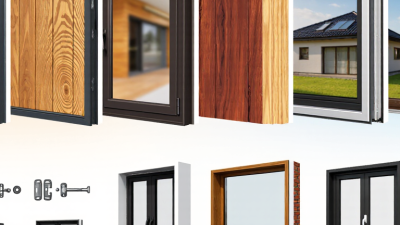
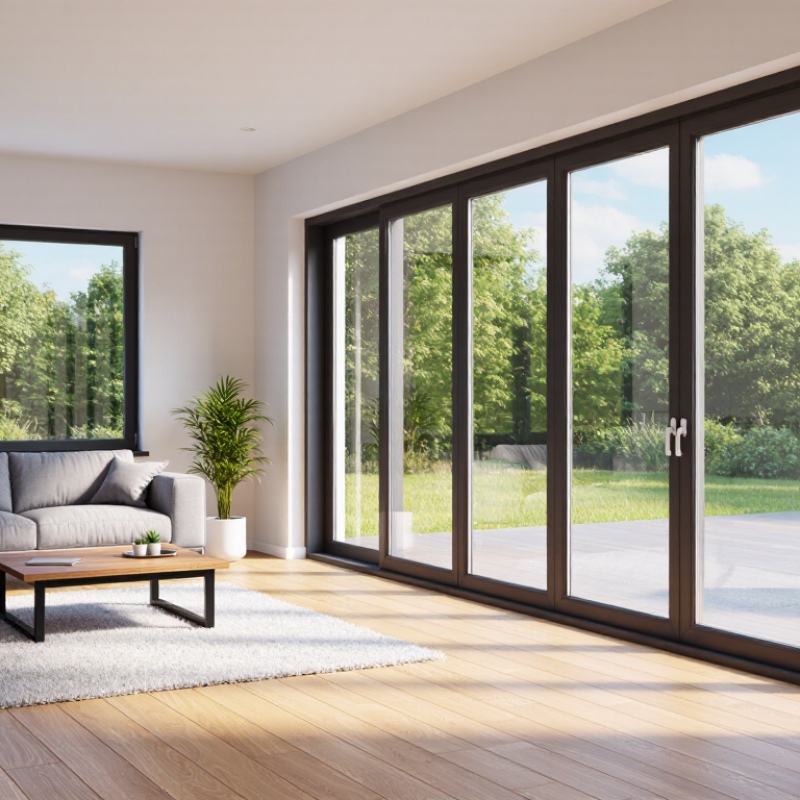
Sliding systems differ in how their panels move, seal, and use floor space. A standard sliding door has one fixed panel and one panel that rolls along a track. It suits patios and compact rooms because it does not swing inward. Check the track depth and drainage details, especially where rain or grit collects. Small details matter.
Lift-and-slide doors raise the moving panel slightly before it glides, then lower it against the seals when closed. This can help with larger, heavier panels and tighter weather sealing, but the frame and hardware need accurate installation. Multi-track doors let several panels stack or slide aside, creating a wider opening. They also require more wall or track space, and their extra joints need careful upkeep. Pocket doors disappear into a wall cavity, though repairs can be harder once the wall is finished.
For windows, horizontal sliders are simple and convenient above kitchen counters or sinks. Two- or three-panel designs can increase the opening, but not every panel may move. Tilt-and-slide windows combine sliding access with an inward-tilting position for controlled ventilation. That mechanism is useful, but it adds parts that should be tested before purchase.
Compare clear opening size, screen placement, locking points, and cleaning access—not just the glass area. There is no perfect system. A beautiful wide opening may still disappoint if the track is difficult to clean.
Materials, Glazing, and Energy Performance
For sliding doors and windows in 2026, compare whole-window U-factor and solar heat gain coefficient, not glass alone. The U.S. Department of Energy’s Energy Saver guidance estimates that windows account for 25–30% of home heating and cooling energy use. That makes frame design important: thermally broken aluminum can reduce heat transfer, while fiberglass and well-made vinyl offer insulating frames. Wood insulates well, but needs regular upkeep. Small details matter.
Glazing should match the room’s direction and climate. Low-emissivity coatings and double glazing can limit heat flow; in sunny rooms, a lower solar heat gain coefficient may reduce summer overheating. ENERGY STAR reports that replacing single-pane windows with certified models can save an average of 12% on energy bills nationwide. That is an average, not a promise. I would not choose the lowest U-factor automatically: a cold-climate home may benefit from useful winter sun. Also check air leakage, seals, and the sliding track; a stiff door or worn weatherstripping can undermine good glass. The National Fenestration Rating Council label helps compare tested U-factor and solar heat gain values across products. I still find frame performance easy to overlook.
What Are the Best Sliding Doors and Windows for 2026? — Materials, Glazing, and Energy Performance
The best choice depends on climate, opening size, exposure, and budget. Compare complete product ratings rather than relying on frame material alone: performance varies by design, glazing, seals, and installation.
| Frame Material |
Thermal Performance |
Durability and Maintenance |
Glazing to Consider |
Potential Advantages |
Best Suited For |
| uPVC (vinyl) |
Generally provides good insulation because the frame material conducts relatively little heat. Compare the rated whole-unit U-factor for each product. |
Typically needs little routine maintenance. Colour, finish, and resistance to weathering vary by product and exposure. |
Double glazing with a low-emissivity (low-e) coating is a common energy-conscious option. Gas fill and spacer design can also affect performance. |
Often offers a practical balance of insulation, low maintenance, and cost. |
Homes seeking a low-maintenance option where frame colour and maximum opening size are not the main priorities. |
| Thermally broken aluminum |
Aluminum conducts heat readily; a thermal break reduces heat transfer through the frame. Check product ratings, especially in cold climates. |
Strong and weather-resistant when properly finished. Inspect seals and hardware as part of routine maintenance. |
Low-e double or triple glazing can improve insulation. The frame and glass should be evaluated as a complete unit. |
Can support slim frame profiles and large expanses of glass while retaining structural strength. |
Contemporary designs, large openings, and locations where a narrow sightline is important. |
| Wood |
Wood is a natural insulator. Whole-product performance still depends on frame construction, glazing, and air sealing. |
May require periodic painting, staining, or other protection, particularly on exposed exterior surfaces. |
Low-e double glazing is widely available; triple glazing may be an option where higher insulation is needed. |
Offers a natural interior appearance and can be refinished. Cladding options may reduce exterior upkeep. |
Projects that value a traditional interior finish and can accommodate ongoing maintenance. |
| Fiberglass or composite |
Often provides good insulation and dimensional stability. Confirm the rated performance of the specific complete unit. |
Usually requires limited maintenance; finishes and long-term weathering characteristics depend on the product. |
Double glazing with low-e glass is a common choice; triple glazing can be considered for demanding climates. |
Combines a stable frame with a range of finishes and glazing configurations. |
Homeowners seeking a low-maintenance frame and a balance of insulation and strength. |
How to compare energy performance: Check the NFRC label or equivalent local rating for the complete door or window. A lower U-factor indicates less heat transfer; the appropriate solar heat gain coefficient (SHGC) depends on climate, orientation, shading, and heating or cooling needs. Also check air-leakage ratings, installation details, and applicable local energy requirements.
How to Compare Sliding Systems for 2026
Choosing a sliding system for 2026 is less about chasing a “best” label than matching the door or window to your room and weather. Start with the opening size, exposure, and daily use. A wide patio door needs stable panels and smooth rollers; a bedroom window may matter more for secure latching, ventilation, and easy cleaning. Test it in person.
Compare published performance data, not just appearance. Check thermal ratings, air leakage, and water resistance for the exact configuration, since glass, frame, and panel size can change results. Ask how the system handles drainage, weather seals, and replacement rollers. Look closely at the threshold: a low step feels convenient, but installation details must still manage rain. Confirm the screen option, handle reach, and whether a large panel can be serviced without removing surrounding finishes. I still find track cleaning easy to underestimate. Dust and grit collect in the corners.
Tips: Bring opening measurements and photos to consultations. Compare written specifications side by side, and ask who handles installation and adjustment. Open and close a sample several times. A quiet first movement tells you something, though not everything.
Choosing the Right Design for Each Space
What Are the Best Sliding Doors and Windows for 2026?
Choosing the Right Design for Each Space
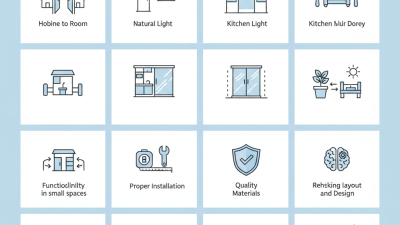
The best design depends on how a room is used, not just how much glass it can hold. In a compact kitchen, a sliding window above the sink keeps the opening clear of taps and counters. For a living room, a sliding glass door can connect the interior to a patio without needing swing space. Check the direction of sunlight, too. The U.S. Department of Energy’s Energy Saver guidance estimates that heat gain and loss through windows account for 25–30% of residential heating and cooling energy use. A broad glass area can feel bright, but it may also need careful attention to glazing and shading.
Bedrooms and bathrooms call for a different balance. Prioritize ventilation, privacy, and easy operation; a narrow opening may be more practical than a dramatic glass wall. Review the National Fenestration Rating Council label when comparing products, especially its U-factor and solar heat gain coefficient. These ratings help compare energy performance, but they cannot predict comfort in every room. That part takes honest site assessment. Measure twice. Small rooms matter.
Tips:
Before choosing, mark furniture positions and measure the clear opening, not just the frame. Check screens, locks, drainage, and cleaning access. If a door faces strong afternoon sun, consider exterior shade alongside efficient glazing. A beautiful opening is not automatically a comfortable one.