
Choosing the best type of home doors and windows depends on more than appearance. It requires attention to climate, security, ventilation, energy use, maintenance, and daily comfort. A bright glass door may look attractive, but it can increase heat indoors during a hot afternoon. A strong insulated window may reduce outside noise, yet its frame and hardware can raise the project cost.
In practical home improvement work, experienced contractors usually examine the building’s orientation before recommending materials. South- or west-facing windows may need low-emissivity glass, external shading, or deeper overhangs. In windy coastal areas, reinforced frames and corrosion-resistant fittings can offer better long-term performance. Timber provides warmth and character, while aluminium offers slim profiles and durability. uPVC can provide dependable insulation with relatively simple maintenance.
Small details matter.
A properly fitted seal can prevent drafts around a bedroom window. A well-balanced door can close quietly instead of scraping the floor. Professional installers also check wall openings, drainage paths, locking points, and local building requirements. Product labels and test certificates should be reviewed carefully, because marketing claims do not always explain real performance.
There is no universal winner. I once favored large windows for natural light, but overlooked glare on a computer screen. That mistake changed my view. The best home doors and windows should suit the house, the occupants, and the surrounding environment. This guide compares popular materials, designs, and performance features, while acknowledging that budget limits and installation quality can change the final result.
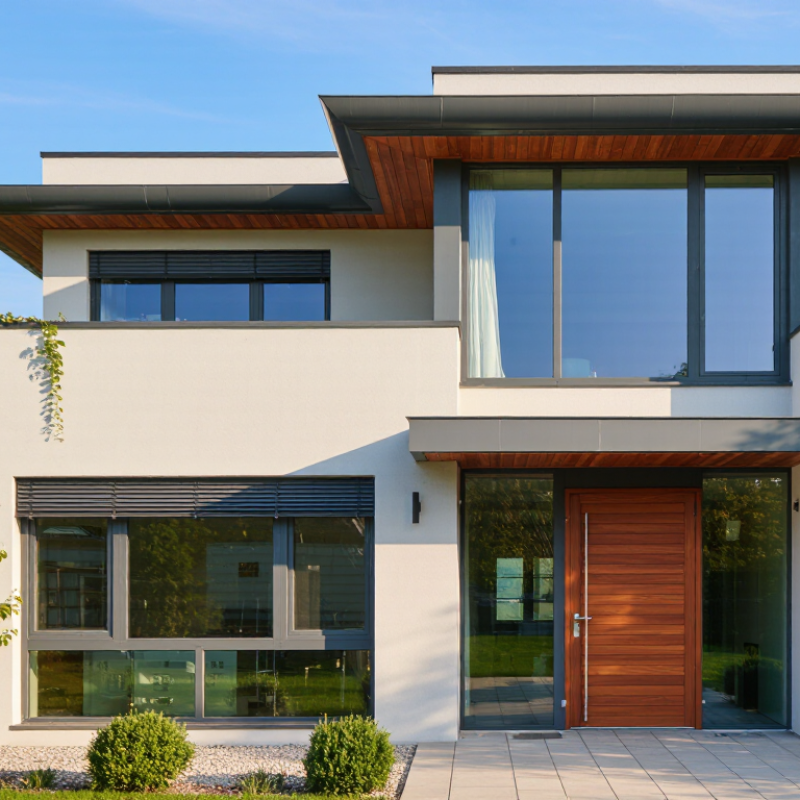
The best choice depends on your climate, house design, budget, and daily habits. I have learned that appearance alone can mislead homeowners. A door may look impressive but allow drafts around its frame. Windows may offer beautiful views but create uncomfortable heat near the glass.
Start with energy performance. Look for low heat transfer, tight seals, and suitable glazing for your region. In a cold area, insulated frames and double or triple glazing can reduce indoor heat loss. In a hot climate, solar-control glass may keep rooms cooler. Check certified performance information instead of trusting vague sales claims.
Security and durability matter too. Exterior doors should have strong cores, reliable locks, and firmly anchored frames. Windows need secure hardware and safe opening limits, especially in upper rooms. Materials also affect maintenance. Wood offers warmth but needs regular protection. Metal and composite options often require less upkeep. Nothing is maintenance-free.
Measure each opening carefully. I once underestimated a sill slope, and the replacement window needed extra adjustment. That small mistake delayed the installation. Ask a qualified installer to inspect moisture damage, wall movement, and drainage paths. Confirm local building requirements, emergency egress rules, warranty terms, and repair support before ordering. A slightly higher upfront cost can be sensible when installation quality, ventilation, and long-term performance are included.
Choosing the best home door depends on material, climate, security, and daily use. Solid wood offers warmth, natural grain, and good insulation when properly sealed. It can swell in damp weather, though. Steel doors provide strength and stable performance, while fiberglass resists moisture and needs less maintenance. Glass doors brighten rooms and connect interiors with gardens, but they need strong locks and suitable safety glazing. I once underestimated afternoon heat through a large glass panel. That mistake made the room uncomfortable.
Door design should match its purpose. A hinged entry door suits traditional layouts and usually seals well. Sliding doors save space and work nicely for patios. Pocket doors disappear into walls, but repairs can become difficult if the internal frame fails.
For bedrooms, solid-core doors can reduce sound. For bathrooms, choose moisture-resistant finishes and allow enough clearance for ventilation. Windows also affect the result. Casement windows often provide strong airflow, while fixed windows offer broad views without moving hardware.
Tips: Check the frame, hinges, seals, and drainage paths before choosing a style. Measure the opening twice. Small errors matter. Ask an experienced installer about local weather exposure, wall structure, and emergency exit requirements. Review maintenance needs honestly. A beautiful door may become frustrating when its finish needs frequent repainting. Balance appearance with comfort, repair access, and long-term energy performance.
What Is the Best Type of Home Doors and Windows?
Types of Home Windows: Styles, Materials, and Functions
The best home window depends on room use, climate, wall direction, and maintenance expectations. A bright south-facing room may need low-emissivity glass and exterior shading. A bathroom benefits from privacy glass and reliable ventilation. The right choice is rarely the most decorative one.
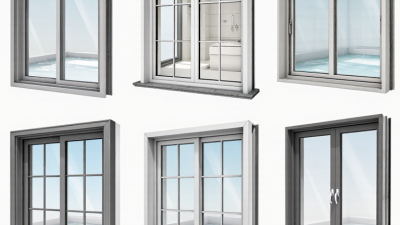
Casement windows open outward with a handle and usually provide strong airflow. Sliding windows save space, but their tracks can collect dust. Awning windows protect against light rain while remaining partly open. Double-hung styles suit traditional homes and allow flexible ventilation. Fixed windows bring daylight but offer no emergency escape. Check local safety requirements before choosing them for bedrooms.
Frame materials also change performance. Vinyl resists moisture and needs little painting. Fiberglass offers stability during temperature changes. Wood feels warm and can be repaired, though it demands regular sealing. Aluminum is slim and durable, but its thermal performance depends on the design. In renovation work, poor installation often causes drafts despite excellent glass. That detail is easy to miss. I would measure the opening twice, inspect the wall for moisture, and ask for tested air-leakage and water-resistance data. Energy ratings matter, but comfort also depends on seals, orientation, curtains, and professional fitting. A beautiful window can still perform badly when its frame is poorly installed.
| Category | Type | How It Operates | Main Strengths | Ventilation and Daylight | Common Applications | Typical Material Options | Maintenance Considerations |
|---|---|---|---|---|---|---|---|
| Window | Casement Window | Hinged at the side and opened outward with a crank or handle. | Creates a tight seal when closed and can direct breezes into the room. | Offers strong ventilation and a broad, unobstructed view. | Living rooms, bedrooms, kitchens, and areas where airflow is important. | Wood, vinyl, aluminum, fiberglass, or wood-clad construction. | Check hinges, handles, weatherstripping, and exterior sealant periodically. |
| Window | Double-Hung Window | Both the upper and lower sashes slide vertically within the frame. | Provides flexible airflow and allows ventilation while preserving a traditional appearance. | Good ventilation; opening both sashes can improve air circulation. | Traditional homes, bedrooms, living areas, and multi-story buildings. | Wood, vinyl, aluminum, or fiberglass. | Clean tracks and inspect balances, locks, and weather seals. |
| Window | Single-Hung Window | The lower sash moves vertically while the upper sash remains fixed. | Generally has a simpler construction and can be cost-effective. | Provides moderate ventilation through the lower opening. | Utility rooms, hallways, bedrooms, and budget-conscious projects. | Vinyl, aluminum, wood, or fiberglass. | Clean the operating track and replace worn weatherstripping when necessary. |
| Window | Sliding Window | One or more sashes move horizontally along a track. | Easy to operate and does not swing into indoor or outdoor space. | Provides moderate ventilation and wide horizontal views. | Rooms facing patios, walkways, or areas with limited clearance. | Vinyl, aluminum, wood, or fiberglass. | Keep tracks free of dirt and check rollers and seals for wear. |
| Window | Awning Window | Hinged at the top and opens outward from the bottom. | Can remain partly open during light rain and supports privacy. | Provides controlled ventilation with a smaller opening area. | Bathrooms, basements, kitchens, and high-level wall openings. | Vinyl, aluminum, wood, or fiberglass. | Inspect the crank mechanism, hinges, and perimeter seals. |
| Window | Picture Window | Fixed in place and does not open. | Maximizes daylight and views while typically offering good air tightness. | Excellent daylight; no natural ventilation through the unit. | Living rooms, stairwells, scenic walls, and window combinations. | Vinyl, wood, aluminum, fiberglass, or composite frames. | Clean glazing and inspect exterior sealant and frame joints. |
| Window | Bay or Bow Window | Projects outward from the wall using multiple window sections. | Adds interior space, daylight, and architectural interest. | Ventilation depends on whether the side sections are operable. | Living rooms, dining areas, reading spaces, and front elevations. | Wood, vinyl, fiberglass, aluminum, or mixed-frame systems. | Inspect support structure, roof flashing, joints, and exterior trim. |
| Window | Skylight or Roof Window | Installed in a sloped or flat roof; some versions open for ventilation. | Brings daylight into rooms with limited exterior wall space. | Can provide strong overhead daylight; ventilation depends on the model. | Attics, lofts, hallways, bathrooms, and interior rooms. | Wood or composite frames with glass or durable plastic glazing. | Check flashing, drainage paths, seals, and interior condensation. |
| Door | Insulated Exterior Door | Typically swings on hinges and uses a multi-point or single-point lock. | Helps improve security, weather resistance, and thermal comfort. | Provides no ventilation unless paired with a glazed panel or operable insert. | Main entrances, side entrances, and service entrances. | Steel, fiberglass, solid wood, or engineered wood. | Inspect hinges, threshold, sweep, frame seals, and locking hardware. |
| Door | Sliding Patio Door | One or more glazed panels slide horizontally along a track. | Saves floor space and creates a wide connection to outdoor areas. | Provides substantial daylight; ventilation is available when a panel is open. | Patios, decks, balconies, and garden-facing rooms. | Vinyl, aluminum, wood, fiberglass, or composite frames. | Clean tracks, adjust rollers, and maintain weather seals and locks. |
| Door | French Door | Usually consists of two hinged panels that open from the center. | Offers a classic appearance and a wider opening than a single hinged door. | Provides daylight through glass panels and ventilation when opened. | Dining rooms, studies, patios, balconies, and interior transitions. | Wood, fiberglass, steel, aluminum, or composite materials. | Check alignment, hinges, astragals, glass seals, and locking hardware. |
| Door | Storm Door | Installed outside an exterior entry door as a secondary protective layer. | Can improve weather protection, daylight, and seasonal ventilation. | Ventilation depends on interchangeable glass and screen panels. | Exterior entrances in regions with strong seasonal weather. | Aluminum, vinyl, fiberglass, and tempered or laminated glass components. | Inspect closers, hinges, screens, glass panels, and perimeter seals. |
Choosing doors and windows means balancing energy efficiency, security, durability, and cost. The U.S. Department of Energy reports that windows can cause 25–30% of a home’s heating and cooling energy use. Low-emissivity glass, insulated frames, and tight weather seals can reduce drafts near a cold bedroom wall. Look for NFRC labels, which show U-factor and solar heat gain coefficient ratings. Lower U-factor usually means better insulation. However, the best rating depends on your climate and window orientation.
Security requires more than heavy materials. A solid-core door, reinforced strike plate, quality deadbolt, and laminated glass can improve resistance against forced entry. For durability, inspect corner joints, drainage paths, hinges, and finish quality. A beautiful frame can still fail when water remains trapped inside. The National Association of Realtors reported about 69% cost recovery for new vinyl windows in its 2022 Remodeling Impact Report. That figure is useful, but it is not a guarantee. Installation errors can erase expected savings.
Tips: Compare whole-unit performance, not only glass type. Ask for air-leakage ratings and written installation details. Choose door thresholds that keep rain outside. Check warranties for labor exclusions. My practical mistake was focusing on purchase price alone; after installation, sealing and maintenance mattered more. A cheaper window is not always cheaper over ten years. Review energy bills, local weather, and repair access before ordering.
The best home door or window is not chosen by appearance alone. A well-installed unit suited to the home's climate usually outperforms a premium-looking option installed carelessly. Installation quality often decides whether its performance survives ten winters. Before fitting, a qualified installer should inspect the wall opening, sill condition, drainage path, and surrounding moisture damage. Frames must sit square and level. Small errors can create uneven gaps, difficult locks, or rattling glass during strong wind. Proper shims, low-expansion foam, and exterior flashing help control movement and water. Sealant should bridge the joint without blocking designed drainage openings.
On older homes, measurements are rarely perfectly consistent. An experienced installer may need to adjust trim rather than force a rigid frame into place. Site inspections often reveal attractive replacements failing because installers skipped sill preparation or relied on interior caulk alone. That shortcut saves minutes, but invites hidden moisture. Maintenance should remain simple: clean tracks, check hinges, wash drainage holes, and examine seals each season. Do not paint over moving parts. Replace cracked weatherstripping promptly. Neglected hardware can make a sound frame seem defective.
Long-term performance also depends on climate and use. South-facing glass may need shading, while coastal air demands frequent hardware checks. Choose repairable components and keep installation records, including dimensions and sealant dates. These details help future technicians diagnose problems instead of guessing. Still, no door or window remains maintenance-free. That expectation needs reconsidering. Even quality materials can move, age, or develop small leaks after unusual weather. Early attention usually costs less than replacing damaged trim, flooring, or wall finishes.
*$250 Off/Window $500 Off/Door. Minimum of 4 Windows. Max savings not to exceed $2,500. Must present coupon at time of estimate. Some restrictions apply. Cannot be combined with any other offers. Call or see the website for details. www.mpwindowsanddoors.com. Offer Expires 9/30/25. CSLB# 778326. 100% Employee Owned.
Contractor's License CSLB #778326.

© 2000 - 2025 American Vision Windows