

Powder Coated MDF furniture combines a familiar engineered wood panel with a durable, baked-on finish. The result can look smooth and precise, with color covering broad surfaces and clean edges. But the process is not simply paint in powder form. MDF must be prepared carefully, and the coating system must suit a heat-sensitive substrate. Small differences in panel moisture, edge sealing, or surface preparation can affect the final appearance.
For an illustrative perspective, fictional composite finishing specialist Elena Brooks puts it this way: “A good powder finish starts with the panel, not the color.” This is an original illustrative quotation, not a verified statement from a real industry expert. The point is practical: inspect the edges, corners, and underside, not just the front of a cabinet door. Look for consistent texture and even coverage. Ask how the manufacturer controls heat and prepares the MDF. Details matter.
This guide explains what Powder Coated MDF furniture is, how the coating process works, and where it performs well. It also considers limits, care, and questions worth asking before purchase. A flawless-looking sample can still leave questions. That deserves a closer look.
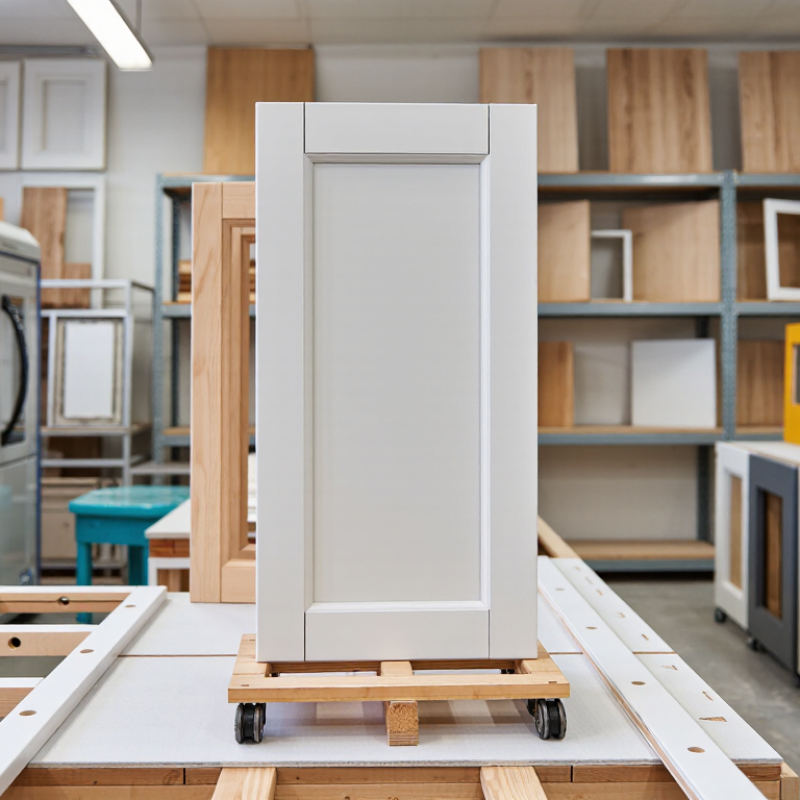
Powder coated MDF furniture is made from medium-density fibreboard with a dry powder finish bonded to its surface. The MDF provides a smooth, stable panel for doors, shelves, and table tops. During production, a specially formulated powder is applied and cured with controlled heat. The process differs from conventional paint, which dries as a liquid coating. The result is usually an even, seamless-looking surface. Clean edges matter.
The finish can help resist everyday scuffs and make routine cleaning easier, but it does not make MDF waterproof. Water left near an unsealed edge may seep into the board and cause swelling. Heat exposure also depends on the coating and the manufacturer’s care guidance. In practice, a hot mug or damp cloth can reveal weaknesses over time. Finish quality varies, and that detail is easy to overlook.
Tips: Check that edges and corners are evenly coated before buying. Look for care instructions, especially for kitchens or bathrooms. Wipe spills promptly with a soft, slightly damp cloth, then dry the surface. Avoid abrasive pads and harsh cleaners. If a panel chips, the exposed MDF may be difficult to repair neatly, so inspect high-contact areas like drawer fronts and table edges.
| Dimension | What It Means | Practical Details |
|---|---|---|
| Definition | Furniture made from medium-density fibreboard (MDF) with a powder-based finish applied to its surfaces. | MDF is the panel substrate; the powder coating is the surface finish. It is not a solid-wood product. |
| MDF substrate | MDF is an engineered wood panel made from wood fibres combined with resin and pressed under heat and pressure. | Its smooth, uniform surface is suitable for furniture panels, but cut edges and fixing points may need particular preparation. |
| How the finish is applied | Powder coating uses dry coating material that is deposited onto a prepared surface and then cured to form a film. | Because MDF is electrically insulating and heat-sensitive compared with metal, coating it requires a process and materials designed for MDF rather than a standard metal-only setup. |
| Surface preparation | The panel may be sanded, cleaned, sealed, or given a conductive or otherwise suitable preparatory layer, depending on the coating system. | Preparation helps the finish adhere and cover the surface consistently. The exact steps vary with the MDF, powder, and production method. |
| Curing | The deposited powder is heated so it melts and forms a continuous finish; some systems use specialized lower-temperature curing methods. | Curing conditions must be compatible with the MDF and the coating. Excessive heat can damage or distort the panel. |
| Appearance | The finish can provide a consistent color and a range of surface effects, depending on the powder and process. | Color, texture, gloss, and edge coverage depend on the selected finish and the quality of surface preparation. |
| Durability | A properly applied coating can protect the exposed MDF surface from everyday scuffs and marks. | Performance varies by coating and use. Scratches, impact, or damage to an edge can expose the MDF beneath the finish. |
| Moisture resistance | The coated face can resist some routine splashes, but MDF itself can swell if moisture reaches the panel. | Keep furniture dry and promptly wipe spills. Sealed edges and joints are important, especially in moisture-prone areas. |
| Common furniture uses | May be used for furniture components such as cabinet fronts, shelving, desks, and decorative panels. | Suitability depends on the product design, panel specification, coating system, and expected conditions of use. |
| Care and repair | Routine care generally involves a soft cloth and a mild cleaning solution. | Avoid abrasive cleaners and prolonged exposure to water. A chipped or deeply scratched finish may be difficult to repair invisibly. |
*$250 Off/Window $500 Off/Door. Minimum of 4 Windows. Max savings not to exceed $2,500. Must present coupon at time of estimate. Some restrictions apply. Cannot be combined with any other offers. Call or see the website for details. www.mpwindowsanddoors.com. Offer Expires 9/30/25. CSLB# 778326. 100% Employee Owned.
Contractor's License CSLB #778326.
