Why Upgrading Your Home Improvement Windows Will Boost Energy Efficiency
Upgrading your home improvement windows is not just a matter of aesthetics; it is a crucial step towards enhancing energy efficiency in your living space. As homeowners become increasingly aware of their environmental impact and energy costs, the demand for energy-efficient windows has surged. These advanced window solutions not only help maintain a comfortable indoor climate but also significantly reduce heating and cooling expenses. Investing in high-quality home improvement windows can lead to substantial long-term savings and a reduced carbon footprint.
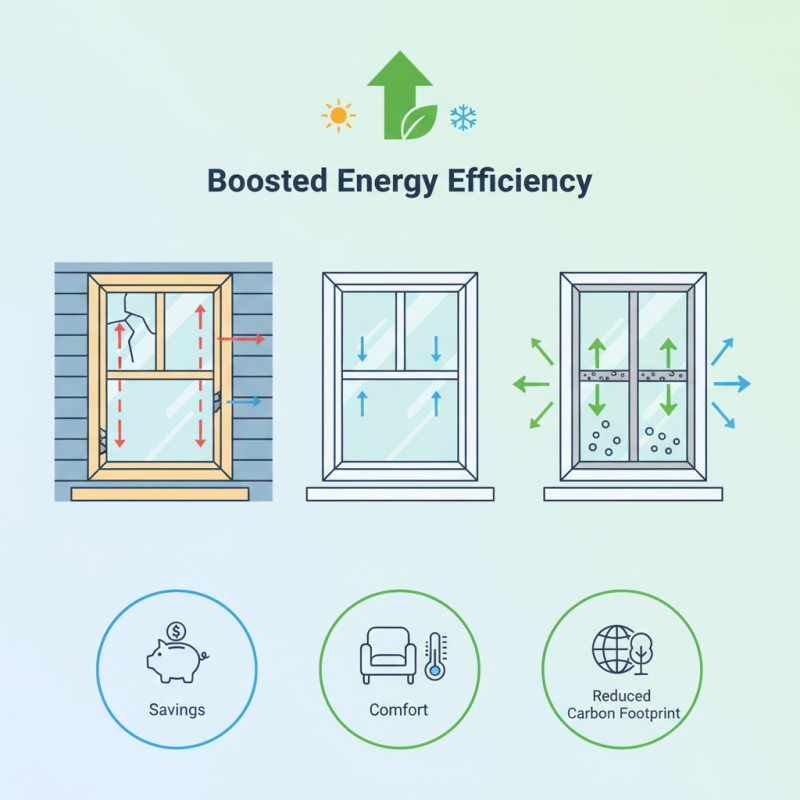
Moreover, modern home improvement windows are designed with innovative technologies that minimize heat transfer and block harmful UV rays, ensuring that your home remains cozy in winter and cool in summer. Features such as double or triple glazing, low-emissivity coatings, and argon gas fills work together to enhance insulation. As we explore the benefits and options available for upgrading your windows, it's essential to consider how this decision will positively impact both your home’s energy efficiency and your overall quality of life. By prioritizing energy-efficient home improvement windows, homeowners can enjoy a sustainable approach to their renovations while contributing to a greener planet.
Benefits of Energy-Efficient Windows for Homeowners
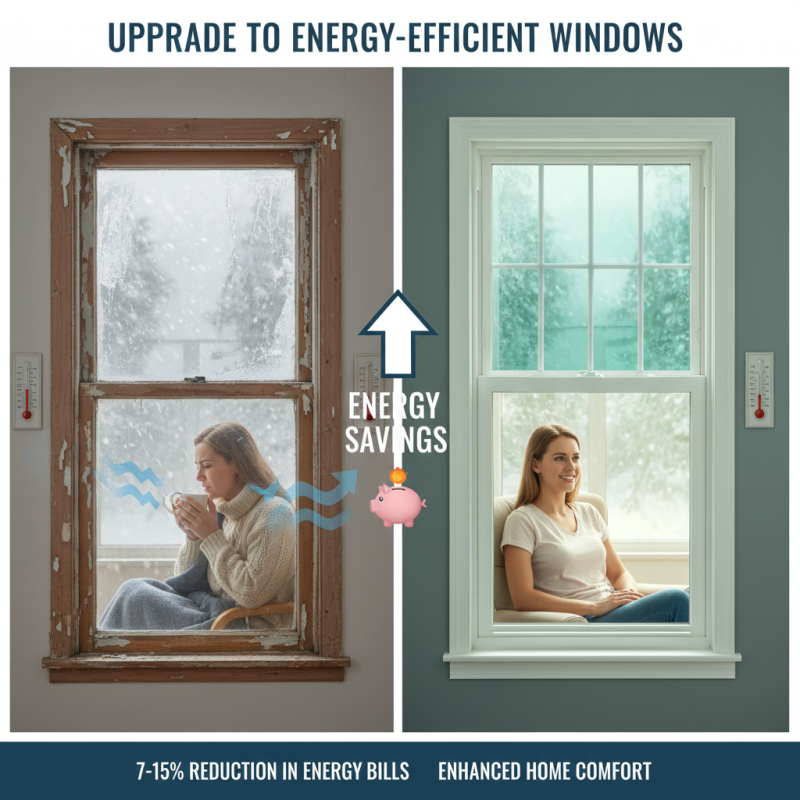
Upgrading to energy-efficient windows can provide significant benefits for homeowners, both in terms of comfort and cost savings. According to the Department of Energy, properly installed energy-efficient windows can reduce energy bills by 7% to 15%. These windows, featuring advanced technologies such as Low-E glass coatings and gas fills, work to minimize heat transfer, keeping homes warmer in the winter and cooler in the summer. Consequently, homeowners can enjoy a more stable indoor temperature, enhancing overall living comfort.
Moreover, energy-efficient windows contribute to a more sustainable environment. The U.S. Environmental Protection Agency estimates that upgrading windows can prevent approximately 1.2 billion tons of greenhouse gas emissions over a 20-year period when a significant number of homes make the switch. This reduction in emissions not only benefits the planet but also supports a homeowner’s efforts in reducing their carbon footprint. With such compelling advantages, investing in energy-efficient windows is a smart choice for both financial and environmental reasons.
Understanding Window Performance Ratings: U-Value and Solar Heat Gain
When considering upgrades for home improvement windows, understanding window performance ratings such as U-value and solar heat gain is crucial. The U-value measures the rate of heat transfer through a window. A lower U-value indicates better insulation properties, meaning that less heat escapes during winter months and less enters during summer. This can significantly impact your home's energy efficiency, leading to reduced heating and cooling costs. When selecting new windows, opting for those with low U-values can result in a more comfortable living environment and lower energy bills.
In contrast, solar heat gain coefficient (SHGC) measures how much solar radiation passes through windows. A lower SHGC is beneficial in hot climates, as it prevents excessive heat from entering your home, thus minimizing the work of your air conditioning system. However, in cooler areas, a higher SHGC can be advantageous, allowing more solar heat to warm your home during the winter. By carefully considering both U-value and SHGC when upgrading windows, homeowners can strike a balance that maximizes energy efficiency while ensuring comfort throughout the year.
Energy Efficiency of Different Window Types
This chart illustrates the U-Value and Solar Heat Gain Coefficient (SHGC) of various window types, which are crucial for understanding energy efficiency in home improvements.
The Role of Insulated Glass Units in Improving Energy Efficiency
Insulated Glass Units (IGUs) play a crucial role in enhancing the energy efficiency of windows. These multi-pane windows are designed to minimize heat transfer, and their construction typically involves two or more glass panes separated by a spacer filled with a gas such as argon or krypton. According to the U.S. Department of Energy, replacing single-pane windows with IGUs can improve energy efficiency by up to 50%, significantly lowering heating and cooling costs. This increased efficiency not only contributes to savings on energy bills but also supports environmental conservation efforts by reducing overall energy consumption.
Adding insulated glass can also help enhance the comfort in your home. This is because IGUs reduce drafts and maintain consistent indoor temperatures, resulting in a more stable living environment. Moreover, IGUs can help reduce noise pollution, with reports indicating that these windows can decrease sound transmission by up to 50%, making your home quieter and more peaceful.
Tips: When choosing IGUs, look for those with low-emissivity (Low-E) coatings, which can reflect infrared energy while allowing visible light to pass through. Additionally, check the National Fenestration Rating Council (NFRC) ratings to ensure you're investing in high-performing windows that suit your climate and home needs. Lastly, consider professional installation to achieve the best results and maintain the integrity of your new windows.
Why Upgrading Your Home Improvement Windows Will Boost Energy Efficiency - The Role of Insulated Glass Units in Improving Energy Efficiency
| Feature |
Traditional Windows |
Insulated Glass Units |
Energy Savings (%) |
| U-Value |
0.45 |
0.25 |
35 |
| Solar Heat Gain Coefficient (SHGC) |
0.30 |
0.20 |
25 |
| Condensation Resistance |
40 |
60 |
N/A |
| Frame Material |
Vinyl |
Fiberglass |
N/A |
| Installation Cost (per window) |
$400 |
$600 |
N/A |
Impact of Window Upgrades on Home Energy Consumption and Costs
Upgrading your home’s windows can significantly improve energy efficiency and reduce energy consumption costs. A recent buyer’s guide indicates that new energy-efficient windows can save homeowners an average of 12% on their energy bills. This savings is crucial, especially in light of rising energy prices and increasing concern for environmental sustainability. Efficient windows help maintain a consistent indoor temperature, ensuring that homes remain cool during the summer and warm during the winter.
Moreover, homeowners who invest in energy-efficient upgrades may qualify for various energy tax credits. Programs aimed at promoting renewable energy and efficiency improvements can provide substantial savings. As reported, energy consumption in homes accounts for a staggering 13% of Canada’s national energy usage, underscoring the importance of adopting sustainable measures. Additionally, initiatives like the Canada Greener Homes Program are working to further support homeowners by covering costs associated with heat pumps and other efficiency upgrades, driving the transition to lower energy consumption and economic savings.
Long-Term Financial Savings from Installing Energy-Efficient Windows
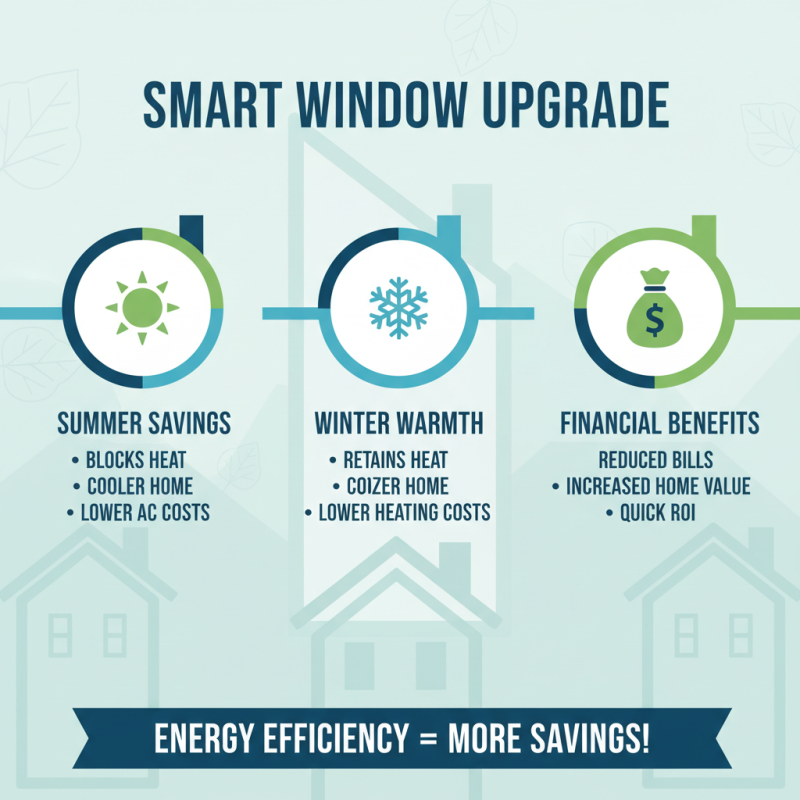
Upgrading to energy-efficient windows is more than just an aesthetic improvement; it's a smart financial investment for homeowners. By selecting windows designed to reduce heat transfer, you can significantly lower your energy bills year-round. During the summer, energy-efficient windows can keep your home cooler by blocking out excess heat from the sun, and in the winter, they work to retain the warmth inside, ensuring your heating system doesn't have to work as hard. This reduction in energy consumption translates directly into lower utility costs, making the initial upfront investment in these windows worthwhile.
In addition to immediate savings on monthly bills, energy-efficient windows can enhance your home's long-term financial outlook. Many energy-efficient options qualify for tax credits and rebates, further decreasing the overall cost of installation. Moreover, homes equipped with high-quality windows tend to have higher resale values in the competitive real estate market. Prospective buyers are increasingly drawn to energy-efficient features, viewing them as a tangible benefit that results in lasting savings. Thus, investing in these windows not only improves comfort and decreases expenses but also positions your home as a more attractive option for future buyers.