

10 Tips for Choosing WPC Classic Decking for Your Project? Switch to ADA Accessible Theme My windows protect me from: Triple digit heat and Disruptive noise.
Close Menu

Blog

10 Tips for Choosing WPC Classic Decking for Your Project?

Choosing the right materials for your outdoor project is crucial. WPC Classic Decking has gained popularity due to its durability and low maintenance. According to a 2022 report by the National Association of Home Builders, composite decking products lead the market, accounting for approximately 40% of new deck installations. This trend reflects homeowners' growing preference for materials that withstand harsh weather while offering aesthetic appeal.

WPC Classic Decking combines wood fibers and plastic, which makes it resistant to rot and insects. However, not all WPC decking products offer the same quality. A study from the University of Georgia highlights that some lower-end products may fade or warp over time. It is essential to research the performance of various brands and understand their warranties and customer reviews.

Investing in WPC Classic Decking means considering factors like environmental impact and long-term value. While many products boast eco-friendly features, verifying certifications is vital. Additionally, some consumers may overlook the importance of proper installation. Even the best decking can underperform without expert installation. Making informed choices is paramount for achieving lasting satisfaction with your outdoor space.
10 Tips for Choosing WPC Classic Decking for Your Project?

Understanding WPC Classic Decking and Its Advantages

WPC classic decking, a blend of wood fibers and plastic, has gained widespread popularity in outdoor construction. Its unique composition offers advantages such as durability and resistance to moisture. According to a report by the Freedonia Group, the demand for decking materials is expected to increase by 5.5% annually through 2024. This trend reflects an ongoing preference for materials that require low maintenance.

One major advantage of WPC classic decking is its eco-friendliness. Statistics reveal that using recycled materials can reduce waste by up to 50%. Additionally, this composite decking resists splintering and rotting, which are common issues with natural wood. However, some users report fading over time, which requires careful selection of colors and finishes.

Installation simplicity is another appealing factor. A survey by the National Association of Home Builders indicates that over 60% of homeowners prioritize ease of installation. Yet, while WPC provides quick and hassle-free setup, improper techniques can still lead to problems later. Awareness of these factors is essential to ensure satisfactory results for your decking project.

10 Tips for Choosing WPC Classic Decking for Your Project

Tip Description Advantages
1. Check Material Quality Ensure the WPC decking is made from high-quality materials for durability. Long-lasting and resistant to wear.
2. Consider the Aesthetic Choose colors and textures that complement your outdoor space. Enhances the beauty of your project.
3. Evaluate Maintenance Needs Investigate how much maintenance is required for upkeep. Less maintenance compared to traditional wood.
4. Look for Slip Resistance Choose WPC that has a textured surface for better traction. Safer for wet areas and prevents slips.
5. Check for Weather Resistance Select WPC that can withstand temperature changes and moisture. Reduces chances of warping and mold.
6. Compare Costs Assess prices from different suppliers for the best deal. Helps in budgeting your project effectively.
7. Review Warranty Options Understand the warranty terms for your chosen decking. Provides peace of mind about product reliability.
8. Look for Eco-Friendly Options Consider WPC made from recycled materials. Reduces environmental impact.
9. Seek Recommendations Ask for feedback from friends or professionals who have used WPC. Gains insights on product performance.
10. Check Installation Guidelines Understand proper installation techniques for WPC decking. Ensures proper fit and longevity of the deck.

Evaluating Material Options for Optimal Performance

When considering WPC classic decking for your project, material evaluation is crucial. Different materials can significantly affect durability and aesthetics. WPC, or wood-plastic composite, offers a unique blend of durability and natural appearance. It resists moisture, pests, and fading, which is beneficial for outdoor environments.

While WPC materials are appealing, their performance can vary. Some options might not provide the same level of strength or resistance as others. Pay attention to the composition, as higher wood content can lead to increased wear over time. Inspect the warranties provided by manufacturers; a longer warranty often signifies higher confidence in the product's longevity.

Look closely at texture and color options too. The appearance plays a vital role in your design vision. Choose finishes that not only match your style but also stand up to environmental challenges. Consider the maintenance requirements; some WPC options may demand regular cleaning or care, impacting your long-term satisfaction. Balancing aesthetics and practical performance will lead to better decision-making. Evaluate all aspects thoroughly before making a final choice.

Assessing Environmental Impact and Sustainability Factors

When selecting WPC (Wood Plastic Composite) classic decking, assessing environmental impact and sustainability is crucial. Studies show that nearly 70% of consumers prefer eco-friendly products. This trend influences material choices, including decking. WPC decking is generally made from recycled materials. It combines wood fibers with plastic, reducing waste and promoting sustainability.

Significant reductions in resource consumption are notable. According to the Green Building Council, using WPC can save up to 40% more energy compared to traditional timber decking. This statistic highlights the potential environmental benefits of opting for WPC products. However, some critics argue that the production of WPC still releases greenhouse gases. Therefore, one must weigh the ecological footprint from production against the benefits of recycling.

Choosing the right WPC material requires thorough research. Not all WPC products are created equal. Some may lack the structural integrity expected from traditional wood. It’s vital to verify certifications and sustainability claims. Resources like the Environmental Protection Agency provide guidance on sustainable materials. Prioritizing transparency allows consumers to make informed choices.

Environmental Impact of Different Decking Materials

This bar chart illustrates the CO2 emissions generated per square meter for various decking materials. WPC (Wood-Plastic Composite) shows the lowest CO2 emissions, making it a more environmentally friendly option compared to traditional wood and other materials.

Selecting the Right Color and Texture for Aesthetic Appeal

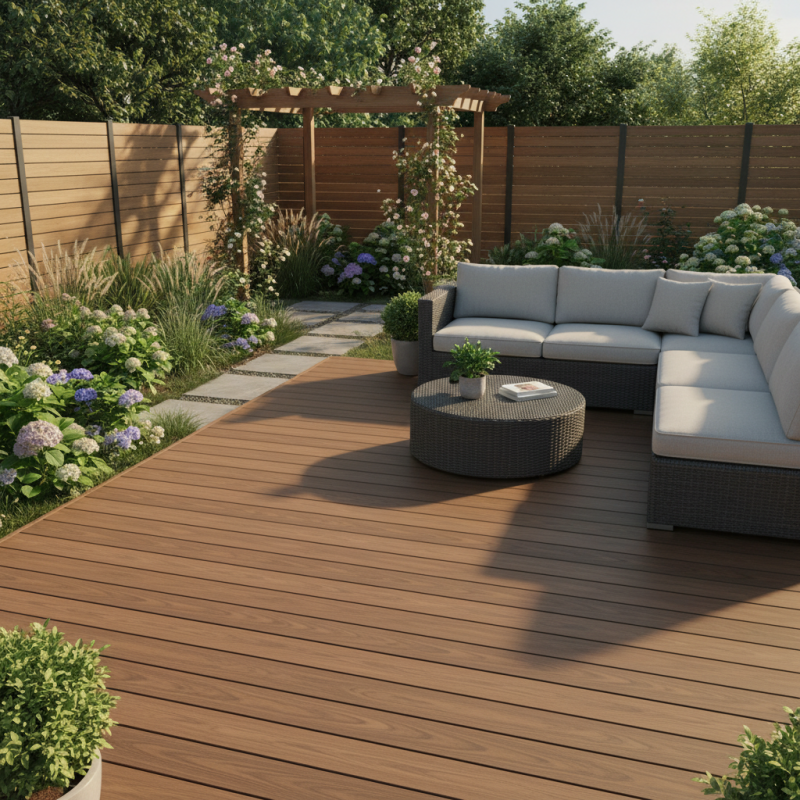
When selecting the perfect color and texture for WPC Classic decking, consider your environment. The right choice can enhance the overall look. Dark colors can create a cozy feel, while lighter shades brighten up space. Visualize how these colors blend with plants and outdoor furniture. Focus on harmony; contrast can be appealing, but balance is vital.

Texture plays a significant role in aesthetics. Smooth finishes offer a modern touch. However, textured surfaces provide better slip resistance. Think about safety in addition to aesthetics. Sometimes, a rougher texture can lead to discomfort. Assess your local climate too. Some textures may wear differently under various weather conditions, prompting the need for future refinishing.

Reflect on your personal style. You might be drawn to natural wood tones but prefer the durability of WPC. It’s okay to feel uncertain, as tastes can evolve. Don’t rush your decision. Gather samples and visualize how they will look in different lighting. Your decking should not only please the eye but also endure the test of time.

Calculating Budget and Cost Considerations for Your Project

When it comes to choosing WPC classic decking, budget calculations should be a primary concern. Start by assessing your total project cost. Think about the size of the area you want to deck. Measure accurately to avoid unexpected costs later. Remember, underestimating material needs often leads to frustration.


Compare the costs of various WPC options. You might find that certain styles or colors significantly affect your budget. Consider delivery fees, which can add to overall expenses. Always set aside a contingency fund for unexpected costs.


Do your research before making a decision. Explore the long-term benefits of WPC decking. It saves maintenance costs over time. But expensive upfront costs can be daunting. Evaluate if a cheaper, less durable option fits your needs better. Choosing the right material requires careful thought and consideration.

*$250 Off/Window $500 Off/Door. Minimum of 4 Windows. Max savings not to exceed $2,500. Must present coupon at time of estimate. Some restrictions apply. Cannot be combined with any other offers. Call or see the website for details. www.mpwindowsanddoors.com. Offer Expires 9/30/25. CSLB# 778326. 100% Employee Owned.

Contractor's License CSLB #778326.