

Top 10 Pocket Door Tips for Easy Home Installation? Switch to ADA Accessible Theme My windows protect me from: Triple digit heat and Disruptive noise.
Close Menu

Blog

Top 10 Pocket Door Tips for Easy Home Installation?

Pocket Doors are a fantastic solution for maximizing space in your home. They slide into the wall, providing convenience without the swing space needed for traditional doors. However, the installation process can be challenging without proper preparation and knowledge. This article delves into ten essential tips to ensure a smoother pocket door installation experience, drawing on expert insights and practical advice.

Navigating the complexities of pocket door installation requires attention to detail and a clear strategy. Homeowners often overlook crucial steps, leading to frustrating results. By understanding dimensions, wall construction, and hardware selection, you can avoid common pitfalls. Each tip outlined here is designed to empower you with the skills needed to successfully install your pocket door, enhancing your living space with style and functionality.

While the process may seem daunting, with the right guidance and a willingness to learn, you can achieve professional results. It’s important to be reflective about your own skills and seek help when needed. Pocket doors can transform a room, but only if installed correctly. Let's explore how to make this installation easier and more effective.
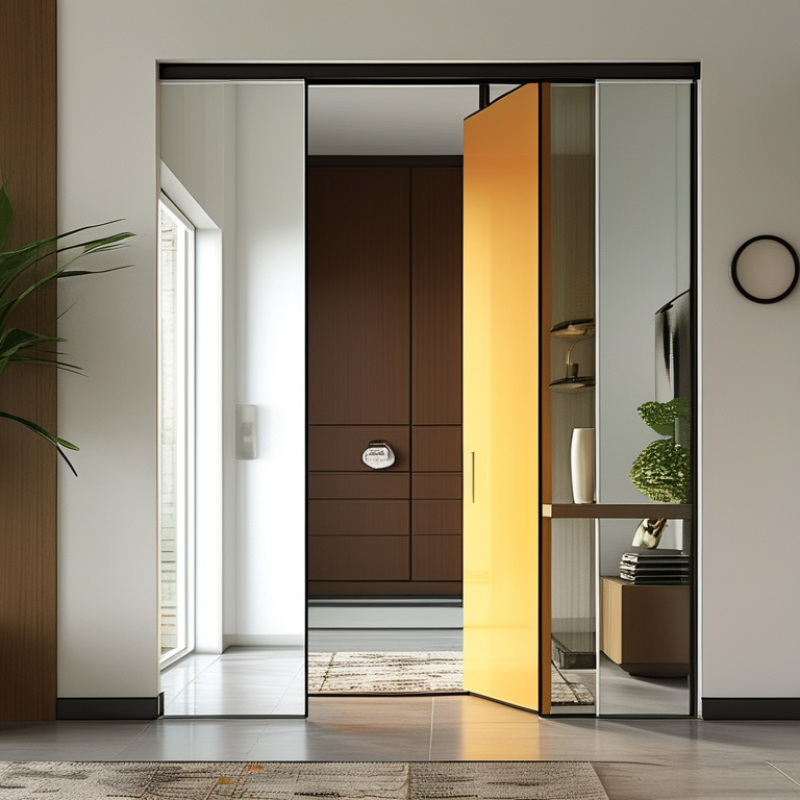
Top 10 Pocket Door Tips for Easy Home Installation?

Top 10 Pocket Door Tips for Easy Home Installation

Installing pocket doors can be a rewarding yet challenging project. Understanding key aspects can make the installation more straightforward. A recent industry report by the National Association of Home Builders suggests that proper planning can reduce installation time by up to 25%. This statistic highlights the importance of preparation before starting.

Choosing the right size and type of door is crucial. Pocket doors typically require more precise measurements than standard doors. Inaccurate dimensions can lead to costly mistakes. Additionally, ensuring that the wall cavity is clear and unobstructed is essential. Industry experts recommend a minimum of 2 inches of space around the pocket to avoid friction difficulties.

While DIY projects can save money, they can also lead to frustration. Some homeowners underestimate the complexity of the hardware installation. Misaligned tracks are a common issue faced by even experienced DIYers. Research indicates that over 30% of pocket door installations require professional assistance due to these challenges. Taking your time and seeking expert advice when needed can lead to a more successful installation.

Understanding Pocket Door Mechanics: How They Function and Their Benefits

Pocket doors have become popular in modern home design. Their mechanics allow them to slide neatly into the wall. This saves space compared to traditional swinging doors. According to industry reports, pocket doors can increase usable space by up to 10%. This is especially valuable in smaller homes.

When installing a pocket door, understanding its mechanics is crucial. They are usually operated by a simple track and roller system. This system can wear over time, leading to complications. Regular maintenance can extend the life of the door. Annual checks of the track alignment can prevent issues before they arise. However, many homeowners overlook this, resulting in frustration.

The benefits of pocket doors are not just functional. They can enhance the aesthetic of a space. A pocket door can serve as a stylish entrance to a room, adding character. However, the installation process requires precision. Misalignment during installation can lead to gaps. These gaps can affect energy efficiency, potentially leading to increased heating or cooling costs. Addressing these installation challenges can improve both functionality and design.

Top 10 Pocket Door Tips for Easy Home Installation

Choosing the Right Materials: Wood, Metal, or Composite for Durability

When choosing materials for pocket doors, consider wood, metal, and composite options carefully. Each material has its pros and cons, affecting durability and aesthetics. Wood offers a traditional look and warmth but can warp over time. It requires regular maintenance to prevent moisture damage. Metal is strong and modern, but it may show scratches easily. Additionally, its thermal conductivity can lead to temperature issues.

Composite materials provide a balanced choice. They combine elements of wood and metal, offering strength without the heavy upkeep. Usually, composites are resistant to warping and moisture damage. However, they may not always match the elegance of solid wood. The installation process also varies depending on your material choice. Pay attention to the weight and size of the door to ensure proper track selection.

Reflect on your home’s design and the practical use of the pocket doors. Sometimes, the ideal approach isn't obvious, and compromises may be necessary. Balancing aesthetics with functionality can be challenging. Take your time to evaluate which material aligns best with your needs and lifestyle. It’s not an easy decision, but careful consideration will lead to satisfactory results.

Essential Tools for Installation: A Comprehensive List for DIY Enthusiasts

When tackling a pocket door installation, having the right tools is crucial. A tape measure helps ensure accurate measurements. For cutting, a circular saw or handsaw is essential for precise door sizes. A level is vital, too; it guarantees that the door hangs straight. An adjustable wrench will assist in tightening any hardware components.

Screws and anchors are often overlooked but are necessary for a secure fit. Choose quality screws to avoid stripping. A chisel is handy for creating space in your wall. This step may be messy, so protective eyewear and gloves are a must. Don’t forget wood glue or construction adhesive for added strength. Avoid rushing these steps; small errors can lead to significant issues later.

Additionally, a helper can make the process smoother. Installing a pocket door alone may lead to misalignments. Measuring twice is better than installing wrong once. It's okay to feel overwhelmed, especially if this is your first DIY project. Reflect on your skills and consider seeking advice if needed. This will enhance your confidence and improve the overall installation process.

Proper Measurements: Ensuring Accurate Dimensions for Smooth Operation

When installing pocket doors, proper measurements are crucial for smooth operation. Start by measuring the width of the door opening, ensuring it matches the door's dimensions. Use a level to check the top of the frame. This ensures that the door hangs straight. Mismeasurements can lead to gaps or sticking doors.

Consider the door's thickness as well. Standard thickness is typically 1.5 inches, but there are variations. Make sure your pocket frame accommodates this size. An incorrectly sized frame can hold the door too tightly or leave it too loose. Always double-check your measurements before cutting any materials.

Additionally, measure the height from the floor to the top of the frame. This might differ in older homes. Missing this detail could create unevenness or hinder door function. If the floor is not level, adjustments in framing might be necessary. Take the time to reflect on these measurements to ensure a successful install. A little care goes a long way in avoiding headaches later.

Top 10 Pocket Door Tips for Easy Home Installation

Tip No. Tip Description Importance
1 Accurate Measurements Measure the opening and door accurately before purchase. Critical for ensuring proper fit.
2 Select the Right Track Choose a sturdy track system that matches door weight. Essential for smooth operation.
3 Use Quality Hardware Invest in durable hinges and rollers. Increases longevity of the door.
4 Properly Level the Frame Ensure the frame is aligned correctly during installation. Prevents door from dragging or sticking.
5 Account for Wall Thickness Consider the wall depth when installing the pocket door. Ensures adequate space for the door.
6 Plan for Trim and Molding Select trim that complements the pocket door design. Enhances aesthetic appeal.
7 Consider Soundproofing Options Use sound dampening materials for better privacy. Improves comfort in living spaces.
8 Test the Door Movement Before finalizing, ensure the door slides smoothly. Confirms successful installation.
9 Label Components Organize all parts before starting installation. Facilitates a smoother install process.
10 Seek Professional Help if Needed Consult a professional for complex installations. Ensures safety and proper fitting.

Conclusion

This article, "Top 10 Pocket Door Tips for Easy Home Installation," provides valuable insights for homeowners seeking to install pocket doors efficiently. It begins by explaining the mechanics of pocket doors, highlighting their benefits such as space-saving design and ease of use. The article emphasizes the importance of choosing the right materials—whether wood, metal, or composite—to ensure durability and functionality.

Moreover, it outlines essential tools that DIY enthusiasts will need for a successful installation, alongside the significance of making accurate measurements for optimal door operation. Lastly, the article warns of common mistakes to avoid, ensuring a seamless and flawless pocket door installation experience. By following these tips, readers can achieve a professional-looking result while enhancing their living spaces.

Article Source:

*$250 Off/Window $500 Off/Door. Minimum of 4 Windows. Max savings not to exceed $2,500. Must present coupon at time of estimate. Some restrictions apply. Cannot be combined with any other offers. Call or see the website for details. www.mpwindowsanddoors.com. Offer Expires 9/30/25. CSLB# 778326. 100% Employee Owned.

Contractor's License CSLB #778326.