10 Tips for Maximizing Space with Sliding Doors in Your Home?
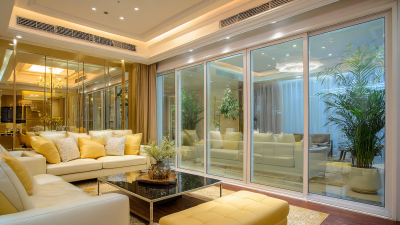
Sliding doors transform how we use space in our homes. They offer flexibility and can make areas feel larger and more open. By using sliding doors, you can create distinct zones without sacrificing flow. This allows natural light to flood your rooms, enhancing the ambiance.
Consider how sliding doors can change your kitchen or living area. They can connect indoor and outdoor spaces seamlessly. They also work well in small spaces, bringing functionality and style. However, not every sliding door project is perfect. Sometimes, homeowners find issues with installation or maintenance. It’s essential to research and choose quality materials to avoid problems.
Embracing sliding doors means rethinking your layout and design. They can be a game-changer if done right. Exploring options for maximizing space with sliding doors can lead to innovative home solutions. Adjusting to this change may take time, but the results can be rewarding.
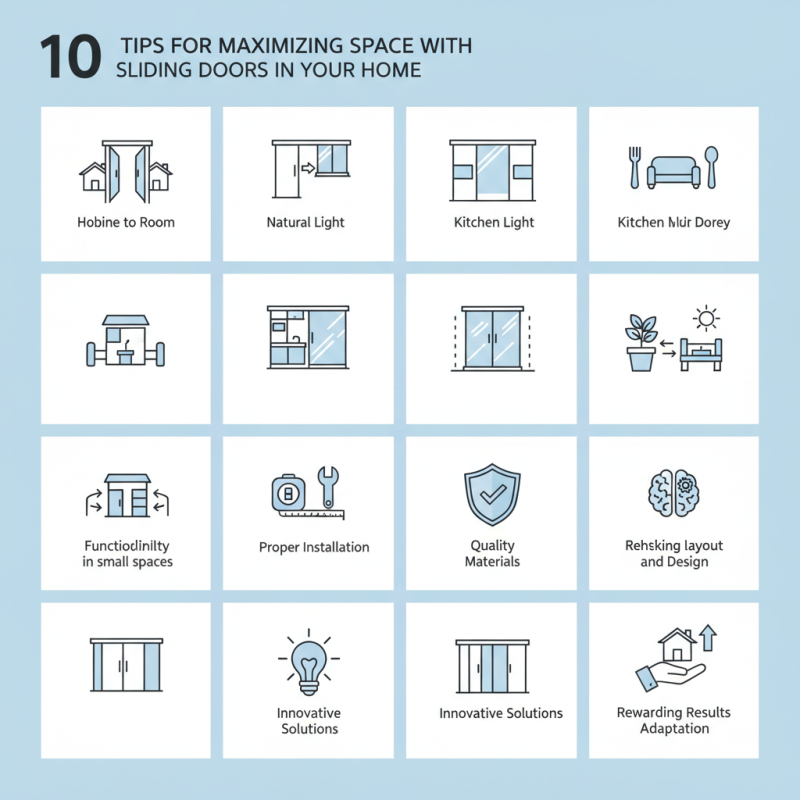
Understanding the Benefits of Sliding Doors for Space Optimization
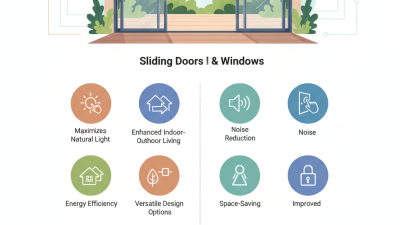
Sliding doors offer effective solutions for optimizing space in your home. They seamlessly blend indoor and outdoor areas, enhancing the sense of openness. The convenience of sliding doors allows for easy access, eliminating the need for swing space. This can make smaller rooms feel larger and more functional. It’s a practical choice for tight hallways or cramped living areas.
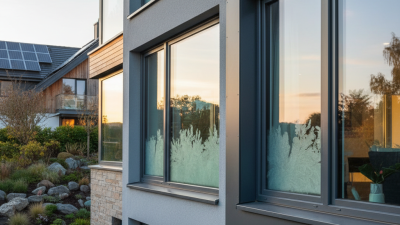
Additionally, they can act as stylish room dividers. You can separate spaces without completely closing them off. When choosing materials, consider glass options to maximize natural light. This can transform dark corners into bright, welcoming spots. However, think about privacy as well. Sheer curtains or frosted glass can be helpful here. But sometimes, striking the right balance can be tricky.
While sliding doors are visually appealing, proper installation matters. Misalignment can lead to frustration. Regular maintenance, like cleaning tracks, is essential to ensure smooth operation. A neglected door can hinder ease of access. Reflect on your choices and consider how they impact daily life. Sometimes, a design that seems perfect may require thoughtful adjustments over time.
Choosing the Right Type of Sliding Door for Your Home
When choosing the right type of sliding door for your home, consider the space available. According to the American Institute of Architects, sliding doors can save 10 to 15 square feet compared to traditional hinged doors. This can be vital in smaller rooms where every inch counts. Evaluate the layout and design of your home. Some door styles may clash with your decor or limit functionality.
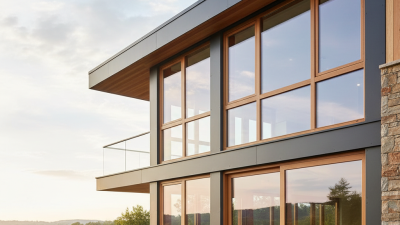
Material choice greatly influences durability and aesthetics. Glass sliding doors can enhance natural light, making a space feel larger. However, they may not provide enough privacy. Wood or composite options can offer a warmer look but may require more maintenance. The National Home Improvement Council suggests assessing local climate conditions. High humidity may necessitate rot-resistant choices.
It’s also essential to consider installation settings. Some sliding doors function better in certain applications. Pocket doors can be a splendid option for tight spaces, but they may compromise wall space. Not all setups are perfect, and installation can be tricky. Misalignments can lead to operational issues. Weigh these factors carefully to make an informed decision.
10 Tips for Maximizing Space with Sliding Doors in Your Home - Choosing the Right Type of Sliding Door for Your Home
| Tip |
Description |
Type of Sliding Door |
Best Use Case |
| 1 |
Opt for floor-to-ceiling sliding doors to enhance the sense of space. |
Glass Sliding Door |
Living Room with a View |
| 2 |
Incorporate mirrored sliding doors to reflect light and create depth. |
Mirrored Sliding Door |
Bedrooms and Closets |
| 3 |
Choose pocket sliding doors to save floor space. |
Pocket Sliding Door |
Hallways and Small Rooms |
| 4 |
Select barn-style sliding doors for a rustic, functional aesthetic. |
Barn Door |
Entryways or Dining Areas |
| 5 |
Use sliding glass doors to transition from indoor to outdoor spaces seamlessly. |
Sliding Glass Door |
Patios and Decks |
| 6 |
Install sliding doors with built-in shelving to maximize functionality. |
Custom Sliding Door |
Offices or Study Spaces |
| 7 |
Consider acoustic sliding doors for noise reduction in shared spaces. |
Soundproof Sliding Door |
Home Theaters or Music Rooms |
| 8 |
Pick sliding doors in bright colors to make a bold statement. |
Colored Sliding Door |
Playrooms or Creative Spaces |
| 9 |
Integrate sliding doors with smart technology for convenience. |
Smart Sliding Door |
Modern Homes |
| 10 |
Combine sliding doors with window treatments for added privacy. |
Sliding Door with Blinds |
Living Spaces and Bedrooms |
Creative Placement Ideas for Sliding Doors to Maximize Space
Sliding doors offer a unique opportunity to enhance space in your home. One creative placement idea is using them between the living room and dining area. This allows for an open layout when the doors are fully open, creating an inviting atmosphere. In smaller homes, consider installing sliding doors to separate rooms without consuming extra floor space. They glide smoothly, making transitions easy.
Another interesting approach is placing sliding doors in closets. This choice provides easy access while keeping the area neat. You could also use glass sliding doors to allow natural light to flow between spaces. This technique makes rooms feel more expansive. However, be aware that glass doors require regular cleaning, which can be a hassle.
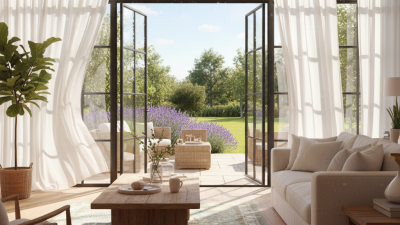
For outdoor access, sliding patio doors can connect your indoor and outdoor spaces seamlessly. They offer convenience but may impede wall space for decor or furniture. It’s essential to reflect on what your priorities are. Balancing aesthetics with functionality can often lead to tough decisions.
Maximizing Space with Sliding Doors: Usage Statistics
Incorporating Sliding Doors in Small Rooms and Areas
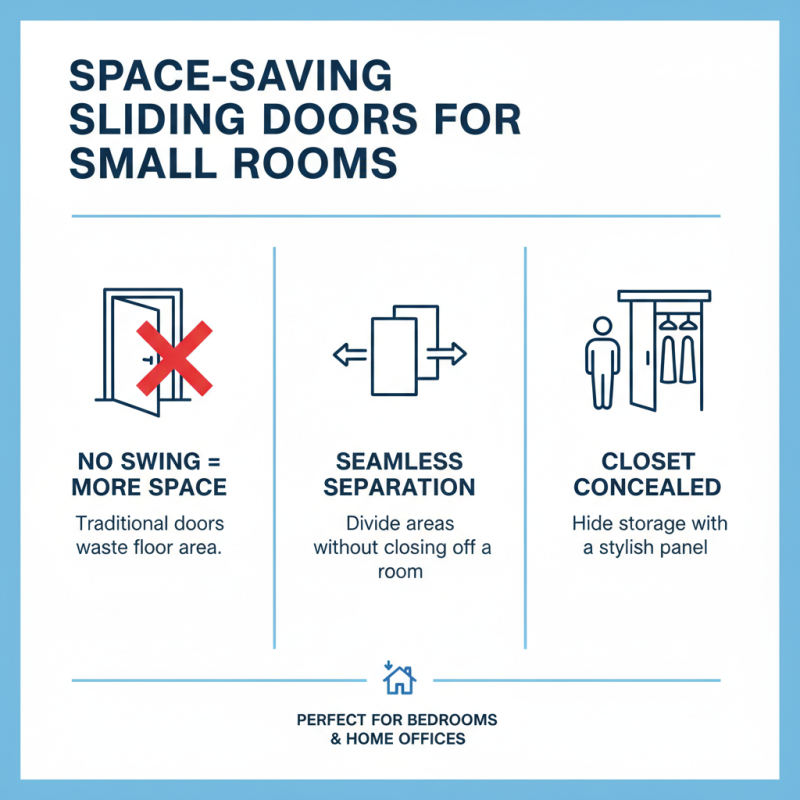
When it comes to small rooms, sliding doors can be a game-changer. They don't swing open like traditional doors, saving precious space. Imagine a compact room where every inch matters. A sliding door can seamlessly separate areas while maintaining an open feel. This is perfect for tiny bedrooms or home offices. You can tuck away an entire closet behind a stylish panel.
However, it’s crucial to choose the right style. A bulky frame can overwhelm a small space. Lighter materials may work better. Glass sliding doors can create an illusion of a larger area. They let in natural light, making the room feel airier. Yet, some might find them less private than solid doors. It’s a trade-off that needs reflection.
Also, consider the placement carefully. A door that glides smoothly avoids awkward hits against furniture. But if miscalculated, it can obstruct walkways. In tight spaces, planning is key. Each decision shapes the room's overall function and feel. Embrace creativity and tweak your approach as needed.