What is the Importance of Sliding Doors and Windows in Modern Homes
In modern architecture, the integration of sliding doors and windows has become a pivotal element that not only enhances the aesthetic appeal of residential spaces but also improves functionality. These design features seamlessly blend indoor and outdoor environments, inviting natural light and fresh air into homes while providing unobstructed views of the surrounding landscape. In an era where urbanization and compact living are on the rise, the efficiency of space utilization has gained paramount importance, making sliding doors and windows an ideal choice for homeowners seeking to optimize their living areas.
Moreover, sliding doors and windows contribute significantly to energy efficiency, as they can create more effective airflow and help regulate indoor temperatures. Their sleek designs often allow for larger openings than traditional door and window styles, facilitating better ventilation without compromising security. The importance of these architectural elements extends beyond mere convenience; they play a vital role in increasing the overall value of properties. Thus, understanding the various benefits of sliding doors and windows not only underscores their significance in contemporary home design but also highlights their contributions to sustainability and comfort.
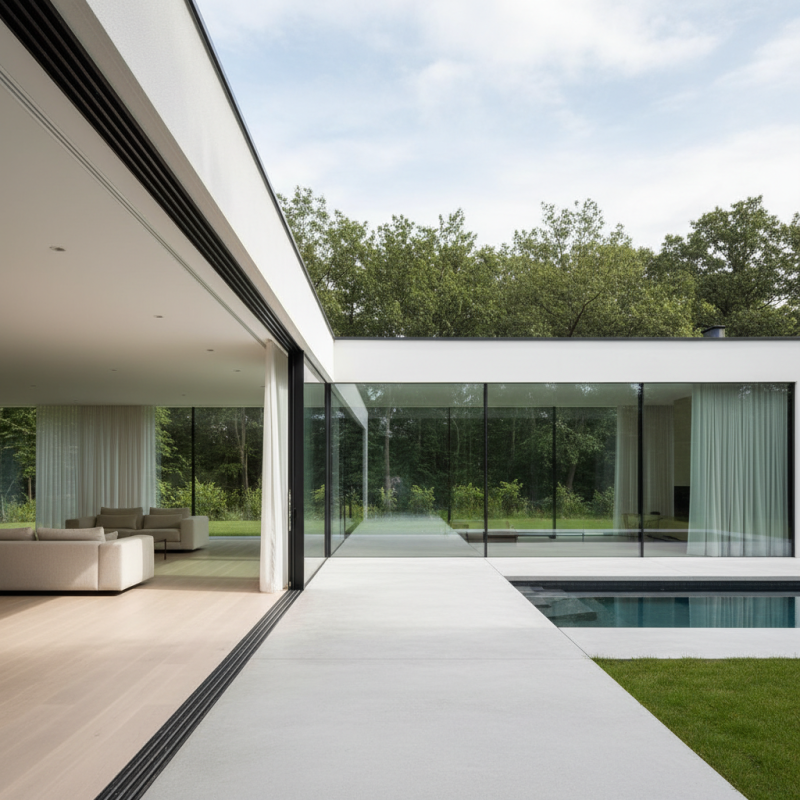
The Role of Sliding Doors in Enhancing Home Aesthetics
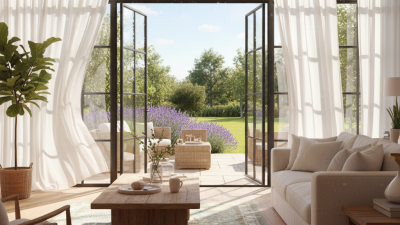
Sliding doors play a pivotal role in enhancing the aesthetics of modern homes, seamlessly blending functionality with style. Their sleek design and expansive glass panels create a sense of openness, allowing natural light to flood living spaces. This not only brightens the interior but also creates an inviting atmosphere, making rooms feel larger and more connected to the outdoor environment.
The ability to effortlessly transition between indoor and outdoor spaces adds to the overall charm of a home, perfect for hosting gatherings or enjoying serene moments in nature.
Moreover, sliding doors can be a focal point in home design, complementing various architectural styles. Whether in a contemporary setting or a more traditional home, they offer versatility in materials and finishes, allowing homeowners to express their personal style. The visual continuity achieved by sliding doors enhances the overall aesthetic appeal, drawing the eye and elevating the overall design scheme. By incorporating these elegant features, homeowners not only improve their living spaces' functionality but also invest in an aesthetic upgrade that transforms the essence of their home.
Functional Benefits of Sliding Windows in Modern Architecture
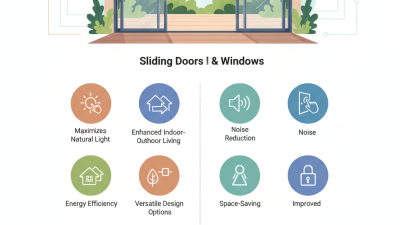
Sliding windows have become a pivotal element in modern architecture, offering a blend of aesthetic appeal and functional efficiency. One of the primary benefits of sliding windows is their ability to maximize natural light within a space. Unlike traditional windows that swing open, sliding windows can be designed to occupy larger spaces, allowing for expansive glass panels that invite in ample sunlight. This not only creates a brighter ambiance but also makes interior spaces feel more open and connected to the outside world.
In addition to enhancing the visual quality of a home, sliding windows provide superior ventilation options. Their horizontal design allows for easy cross-ventilation, as multiple panels can be opened simultaneously, creating a refreshing airflow without the need for intrusive bars or frames. This feature is particularly beneficial in warmer climates, where maintaining a comfortable indoor environment is essential. Furthermore, sliding windows are often equipped with energy-efficient glazing, which helps regulate indoor temperatures and reduce energy consumption, thus contributing to sustainable living practices in modern construction.
What is the Importance of Sliding Doors and Windows in Modern Homes - Functional Benefits of Sliding Windows in Modern Architecture
| Feature |
Benefit |
Application |
| Space Efficiency |
Maximizes floor space by eliminating swing clearance needed for traditional doors. |
Ideal for small apartments and rooms. |
| Natural Light |
Allows more natural light into living spaces, enhancing ambiance. |
Used in living rooms and patios. |
| Accessibility |
Easier for individuals of all ages and mobility levels to operate. |
Great for homes with elderly or disabled residents. |
| Energy Efficiency |
Advanced glass options can improve insulation and reduce energy costs. |
Commonly used in energy-efficient home designs. |
| Versatility |
Can be designed for various architectural styles and finishes. |
Suitable for both modern and traditional homes. |
| View Enhancement |
Creates a seamless connection between indoor and outdoor spaces. |
Ideal for homes with scenic views. |
Energy Efficiency: How Sliding Doors and Windows Contribute
Sliding doors and windows are vital components of modern homes, primarily due to their significant contributions to energy efficiency. According to the U.S. Department of Energy, using energy-efficient window systems can reduce energy costs by 7-15% annually. This is particularly crucial as homes consume about 40% of total energy in the United States, with heating and cooling accounting for a large portion of residential energy use. Sliding doors, with their expansive glass panels, can enhance natural light while minimizing the reliance on artificial illumination, thereby further reducing energy consumption.
Moreover, the implementation of high-performance sliding windows helps in improving thermal insulation. According to the National Fenestration Rating Council (NFRC), windows that meet or exceed certain performance ratings are essential in reducing heat transfer through the glass. This translates to homes needing less energy for heating in winter and cooling in summer. Energy-efficient sliding doors and windows often come equipped with low-emissivity (Low-E) coatings and gas fills, which can enhance insulation properties. As noted in reports by the Efficient Windows Collaborative, such measures contribute to a comfortable indoor environment while lowering greenhouse gas emissions, making sliding systems an eco-friendly choice for modern homeowners.
Space Efficiency: Maximizing Interior Layouts with Sliding Designs
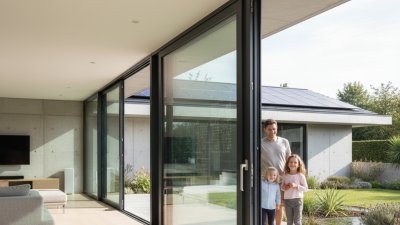
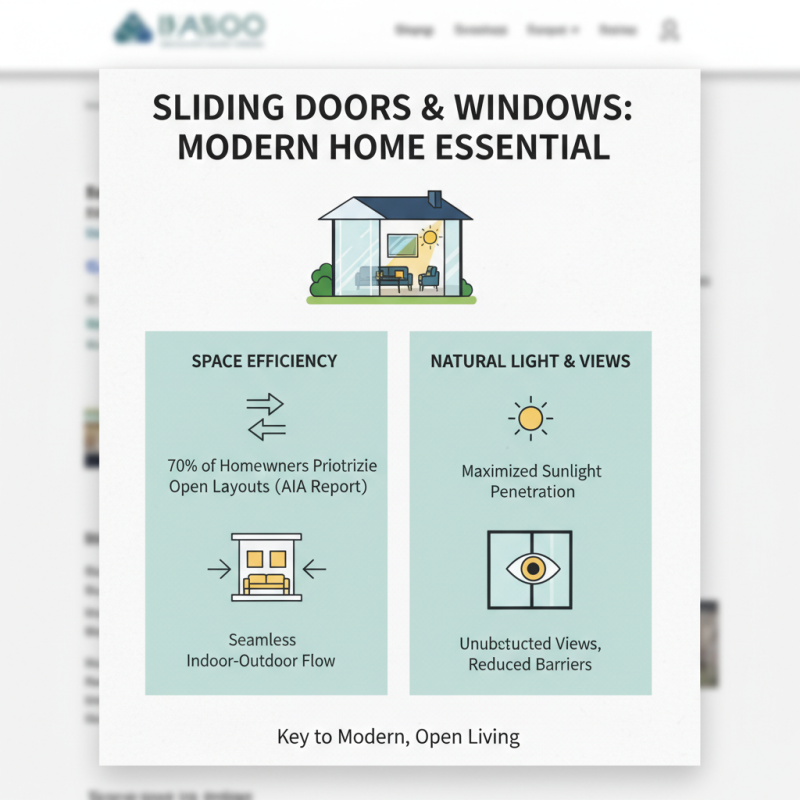
Sliding doors and windows have become increasingly significant in modern home design, particularly due to their ability to enhance space efficiency. According to a report by the American Institute of Architects (AIA), nearly 70% of homeowners prioritize open floor layouts, which are best complemented by sliding designs. These installations create a seamless flow between indoor and outdoor spaces, allowing for natural light to flood in while reducing the barriers commonly posed by traditional hinged doors and windows.
Furthermore, the concept of maximizing interior layouts is crucial as urban living spaces become more compact. A study from the National Association of Home Builders (NAHB) highlights that homes with sliding doors can utilize up to 15% more usable space. This is particularly relevant in small apartments or residences where every square foot counts. By eliminating the swing radius required for traditional doorways, sliding options open up more possibilities for furniture arrangement and room functionality, creating an inviting atmosphere without compromising on style or space.
Incorporating sliding designs not only enhances aesthetic appeal but also contributes to the overall efficiency of a home’s layout. With the growing emphasis on multifunctional living spaces, sliding doors and windows are an ideal solution for contemporary architectural needs, allowing homeowners to maximize their environments while embracing a modern lifestyle.
Safety and Security Features of Modern Sliding Systems
Modern sliding doors and windows are more than just a stylistic choice in contemporary architecture; they play a critical role in enhancing safety and security features within homes. According to a report by the National Association of Home Builders (NAHB), nearly 70% of homeowners prioritize safety features when selecting doors and windows. This trend reflects a growing awareness of the need for robust security in an era where residential burglaries are prevalent. Advanced sliding systems often come equipped with multi-point locking mechanisms, making it significantly more difficult for intruders to gain unauthorized access compared to traditional hinged doors.
In addition to locking systems, modern sliding doors and windows are designed with materials that resist impact and provide additional security. Studies from the American Architectural Manufacturers Association (AAMA) demonstrate that enhanced glass options, like laminated and tempered glass, not only improve energy efficiency but also offer added protection against forced entry. While these sliding systems ensure ease of access and unobstructed views, they do not compromise on security, often incorporating features such as internal reinforcements and anti-lift designs. These advancements underscore the dual function of sliding systems in modern homes as both aesthetic elements and integral components of a safe living environment.
Importance of Sliding Doors and Windows in Modern Homes
This chart illustrates the various safety and security features of modern sliding systems, highlighting their significance in contemporary home design.