

Choosing High Quality Cabinet Hardware is not merely a design decision. It affects daily comfort, cabinet lifespan, and the perceived value of an entire room. Handles, hinges, and drawer slides face repeated pressure, moisture, oils, and accidental impact. A beautiful finish cannot compensate for weak construction.
Doug Mockett, founder of Mockett & Company and a respected hardware industry veteran, once said, “The smallest detail can make the biggest difference.” That principle remains practical. Examine the metal closely. Solid brass, stainless steel, or zinc alloy should feel substantial, not hollow or unusually light. Check whether the finish looks even around screw holes and edges. Uneven plating often reveals poor quality.
Test movement before purchasing. A drawer slide should glide smoothly without scraping sounds. A hinge should close quietly and hold its adjustment. Screws should fit firmly, with clean threads and suitable lengths. For kitchens, corrosion resistance matters because steam and cleaning products can attack exposed surfaces. Bathrooms demand even greater care.
Certification, warranty terms, supplier history, and replacement availability also deserve attention. Reliable manufacturers publish load ratings and installation guidance. However, even experienced buyers can miss small details. A premium handle may still feel uncomfortable after daily use. A soft-close mechanism may weaken when overloaded. Sometimes, the mistake is choosing appearance first.
This guide explores how to compare materials, finishes, movement, load capacity, and manufacturer credibility. It also considers real installation conditions, where minor alignment errors can affect performance. High Quality Cabinet Hardware should look refined, feel dependable, and continue working after years of ordinary use. That is the standard worth testing.
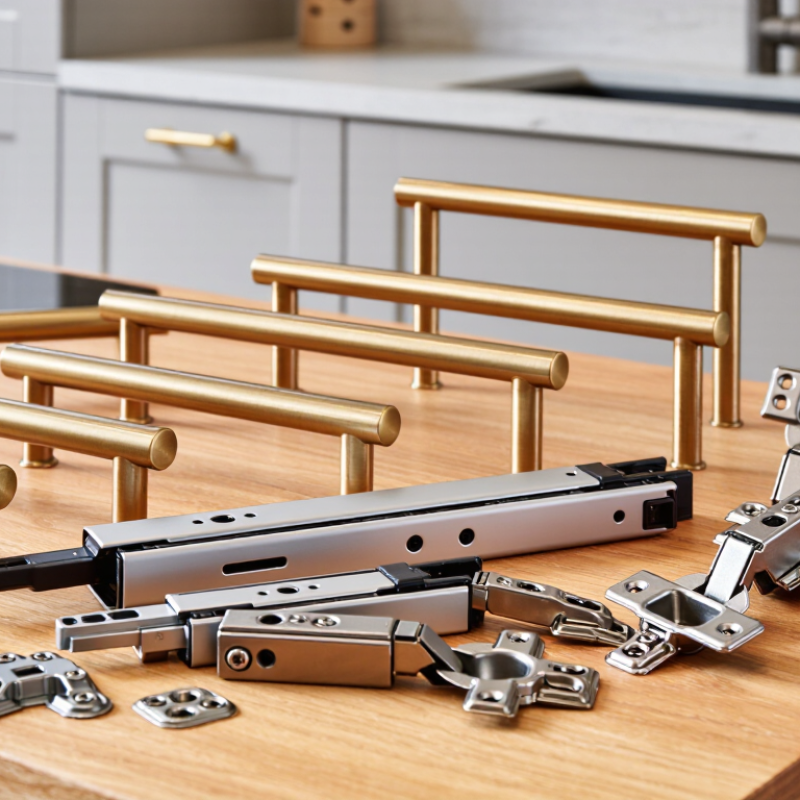
Cabinet hardware is more than decoration; it controls how doors and drawers feel every day. In cabinet fitting work, I usually separate hardware into five main types: knobs, pulls, hinges, drawer slides, and catches. Knobs suit compact doors and create a single contact point. Pulls offer better leverage, especially on wide drawers or heavy doors. Choose a grip that feels comfortable with wet or dusty hands. Small detail, real difference.
Hinges connect doors to the cabinet box and determine alignment, opening angle, and closing action. Concealed hinges give a clean appearance, while surface-mounted hinges add visible character. Look for adjustable models with a stated load capacity and corrosion-resistant components. Drawer slides carry repeated weight, so their extension length, load rating, and movement matter. Full-extension slides expose the rear of a drawer, but they need accurate installation. Soft-close action feels refined, although poor adjustment can cause dragging.
Quality also depends on material and finish. Stainless steel resists moisture well; solid brass can provide a warmer appearance, but its finish may change with handling. Ask for cycle testing, fixing dimensions, and replacement parts before buying. I once selected beautiful pulls with weak screws. They loosened within weeks. That mistake taught me to inspect the complete fixing system, not just the visible metal. Measure twice. Drill once, perhaps.
How to Choose High Quality Cabinet Hardware?
Materials affect strength, weight, corrosion resistance, and long-term comfort. Solid brass and stainless steel usually provide dependable durability. Zinc alloy can work well, but its quality varies between manufacturers. Hold each handle and notice its weight. A hollow piece may feel surprisingly light. Check the screw threads carefully. Clean, deep threads are less likely to strip during installation. For kitchens and bathrooms, moisture-resistant materials deserve extra attention.
Construction reveals details that photographs often hide. Inspect the joint between the handle and its base. It should feel firm, without rocking or rattling. A well-made knob normally has a smooth underside and consistent edges. Pulls should remain straight when moderate pressure is applied. I once approved attractive hardware with weak mounting posts. The finish looked excellent, but installation exposed the problem. That mistake changed how I inspect samples.
Surface finishes should look even under direct light. Search for cloudy patches, pinholes, scratches, or sharp transitions around corners. Brushed textures should run in one consistent direction. Plated surfaces need strong adhesion, especially near frequently touched edges. Ask whether the finish has been tested for humidity, abrasion, and household cleaning products. Simple testing matters. Wipe a hidden area with a soft damp cloth, then inspect it after drying. This is not a laboratory test, and it can miss hidden weaknesses. Still, careful observation often separates reliable construction from attractive decoration.
Choosing high-quality cabinet hardware starts with matching size, style, and function rather than selecting the most attractive finish. Houzz’s 2024 U.S. Kitchen Trends Study reports a median spend of about $60,000 for major kitchen renovations. Hardware is a small portion of that budget, but poor proportions remain highly visible.
Measure before ordering. Measure the cabinet door and drawer before ordering. Pulls covering one-third to one-half of a drawer width usually feel balanced. Wide drawers may need two pulls to prevent twisting. For a narrow bathroom door, a small knob can look cleaner than a long bar. Frequently used drawers need sturdy mounting points and comfortable clearance for wet or greasy hands. Test the grip with three fingers. It should not scrape nearby surfaces.
Style must support cabinet function. Matte finishes hide fingerprints better than polished surfaces, though they can still show oil near a cooktop. The National Association of Home Builders reports that kitchens remain among the most common targets for remodeling, increasing attention to practical details. The Joint Center for Housing Studies estimated U.S. homeowner improvement spending near $485 billion in 2024. That scale makes durability worth checking.
Look for solid mounting hardware, consistent threading, and a finish that remains even around edges. I would not trust a finish sample alone; touch it repeatedly. A beautiful pull can still feel wrong after fifty openings. This is where many selections fail. Consider cleaning habits, hand strength, drawer weight, and the cabinet’s daily rhythm before finalizing the style.
Installation quality often reveals the real value of cabinet hardware. During cabinet fitting, I check whether screw lengths suit the panel thickness. A screw that is too long can damage the cabinet interior. A screw that is too short may loosen quickly. Use a drilling template for consistent spacing. Measure twice. Small alignment errors become obvious across several doors.
Comfort matters every day. Pulls should feel natural in the hand, without sharp edges or rough joints. I test them with wet and dry hands because kitchen use is rarely perfect. Rounded edges usually feel better during repeated opening. Knobs should provide enough space for fingertips. A beautiful shape can still feel awkward. I once chose a slim pull that looked elegant but pinched my fingers.
Long-term durability depends on more than surface appearance. Look for solid construction, secure threads, and a finish designed for frequent cleaning. In humid rooms, corrosion resistance becomes especially important. Check whether replacement screws are available, since hardware can loosen or disappear during repairs. Open and close the cabinet repeatedly before installation. Listen for movement or clicking. I also inspect the finish under strong light; minor flaws are easy to miss in a showroom. Even careful choices can need adjustment after real household use.
Choosing cabinet hardware by appearance alone can be expensive. Houzz’s 2024 U.S. Kitchen Trends Study reports that 76% of renovating homeowners upgraded their cabinets. That figure shows how often hardware decisions accompany larger investments. Quality should begin with the base metal, finish consistency, screw strength, and smooth movement. Solid brass or stainless steel usually handles repeated contact better than thin plated materials. However, material alone does not guarantee durability.
Maintenance needs become visible in daily use. In a busy kitchen, handles collect oil, flour, and moisture near the cooking zone. A smooth, sealed finish needs only a soft cloth and mild soap. Deep grooves look attractive but trap residue. The National Kitchen & Bath Association’s 2024 Design Trends research continues to identify easy-care surfaces and functional storage as important renovation priorities. Hardware with concealed fixing points can reduce dust buildup, although installation becomes less forgiving. One crooked pull is surprisingly noticeable.
Overall value means balancing purchase price, service life, cleaning time, and replacement difficulty. ASTM B117 salt-spray testing can help compare corrosion resistance, but laboratory exposure does not perfectly recreate a humid home. That limitation deserves attention. A lower-cost knob may perform well on a dry bedroom cabinet, yet fail sooner beside a dishwasher. Test several pieces by opening drawers with wet hands, checking screw alignment, and inspecting edges under bright light. Small details matter.
*$250 Off/Window $500 Off/Door. Minimum of 4 Windows. Max savings not to exceed $2,500. Must present coupon at time of estimate. Some restrictions apply. Cannot be combined with any other offers. Call or see the website for details. www.mpwindowsanddoors.com. Offer Expires 9/30/25. CSLB# 778326. 100% Employee Owned.
Contractor's License CSLB #778326.
© 2000 - 2025 American Vision Windows