


Global buyers are reshaping what they expect from furniture: comfort, durability, and a clear sense of personal style. Home Decor Furniture now serves more than a decorative role. A compact sofa may need to work in a small apartment, while a dining table must handle daily meals and occasional guests. Practical details matter.
Market data helps explain the attention. Grand View Research estimated the global home decor market at about US$681 billion in 2022, with continued growth projected through 2030. Fortune Business Insights valued the global furniture market at roughly US$748 billion in 2023. These estimates use different market definitions, so they should be read as indicators, not directly compared. Still, they point to a large, active category. Buyers are weighing appearance against price, materials, shipping, and long-term use.
This guide explores ten trends shaping purchasing decisions across regions, from adaptable pieces and natural textures to expressive colors and space-saving designs. It also considers how local homes, climates, and habits can change what “on trend” means. A low-maintenance fabric may be more useful than a striking one. That trade-off deserves attention. No single look suits every buyer, and trend reports cannot predict how well a product will perform in a real home. The most useful choices combine visual appeal with reliable construction, clear product information, and room to adapt over time.
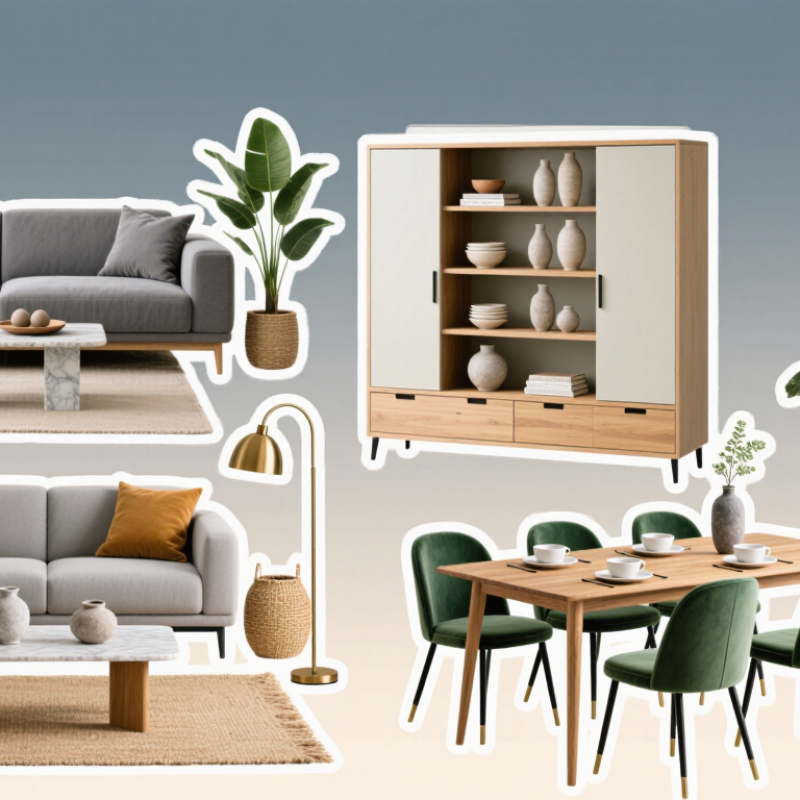
A furniture trend is more than a popular shape in a photograph. It becomes meaningful when repeated choices appear across homes, retail displays, and buyer inquiries. A curved dining chair, for example, may signal wider interest only when buyers also request comfortable proportions, durable upholstery, and easy-to-clean surfaces. One viral image is not enough.
Professionals assess several signals together: sales patterns, showroom feedback, product searches, material availability, and changes in how people use their rooms. A compact apartment may call for nesting tables or a sofa with hidden storage, while a humid climate makes moisture-resistant finishes more practical. These details matter. Trend reports can still miss local habits, especially when data comes mainly from large cities.
For global buyers, a useful trend should balance appearance with function, price, shipping needs, and expected product life. Natural textures may attract attention, but the source, finish, and care requirements deserve equal scrutiny. Ask whether a chair can be repaired, whether its dimensions fit common room layouts, and whether the fabric suits daily use. Honestly, forecasting is imperfect; preferences can shift before a collection reaches stores. Strong decisions rely on observable demand and clear product information, not prediction alone.
Homes worldwide are asking furniture to do more than fill a room. In smaller apartments, a dining table may double as a work surface, while a storage bed keeps spare linens out of sight. Modular sofas and nesting tables offer flexibility when households move or rooms change. Yet extra features can make furniture harder to repair. Useful is not always durable.
Natural textures remain popular, from visible wood grain to woven seats and linen upholstery. Buyers should consider local climate: untreated wood may need more care in humid rooms, and pale fabrics show marks quickly in busy homes. Rounded edges and soft silhouettes also appear across many interiors, helping compact rooms feel less rigid. Not every room agrees. A bulky curved chair can still crowd a narrow walkway.
Furniture with recycled or responsibly sourced materials attracts buyers who want a lighter footprint. Check what a material actually contains, and whether parts can be replaced; broad sustainability claims alone reveal little. Vintage pieces and locally made furniture can add character, though dimensions and finish quality deserve close inspection. Color is becoming more personal, too: earthy greens, clay reds, and deep blues bring warmth without requiring a full renovation. Trends travel, but household habits, room sizes, and maintenance needs differ. A beautiful piece that is awkward to clean may not stay beautiful for long.
Urban population share worldwide, 1950–2050
As more people live in cities, flexible, multifunctional and space-saving furniture can be especially useful in urban homes. The chart shows historical estimates and projections—not furniture sales or consumer preferences.
Source: United Nations, World Urbanization Prospects. Figures are rounded; 2050 is a projection.
Materials and workmanship are shaping furniture trends as strongly as silhouettes. Buyers are looking for warm-toned timber, woven natural fibers, recycled metal, and finishes that reveal rather than disguise texture. The stakes are substantial: UNEP’s International Resource Panel reported that global resource extraction reached 106 billion tonnes in 2020, up from 30 billion tonnes in 1970. It projects a further 60% increase by 2060 without major changes. For furniture, that makes material choice more than a styling decision. Look for clear sourcing details, durable coatings, and components that can be repaired. Small details matter.
Craftsmanship gives those materials a longer working life. Tight, replaceable joints, solid drawer runners, and accessible screws can make a piece easier to maintain than one held together with permanent adhesives. FAO’s Global Forest Resources Assessment 2020 estimated that deforestation averaged 10 million hectares per year from 2015 to 2020. That figure is not furniture-specific, but it underscores why buyers should ask about timber origin and responsible sourcing. Reclaimed wood can reduce demand for newly harvested material, though its history and treatment are not always easy to verify. There is no perfect choice. A low-impact label cannot compensate for flimsy construction, and natural materials still require careful sourcing. A scuffed edge may even tell a more honest story than a flawless finish.
Trends matter, but a sofa must still fit the doorway, floor plan, and daily routine. Treat color and silhouette as flexible; treat dimensions, joinery, and care needs as fixed checks.
The 2024 U.S. Houzz & Home Study found that 54% of surveyed homeowners renovated in 2023. It is a U.S.-focused snapshot, not a global forecast, but it shows how often furniture choices sit within larger home decisions. I admit, polished photos can still sway a buyer too quickly.
Quality deserves a closer look.
UNEP’s Global Resources Outlook 2024 projects that global natural resource extraction could rise 60% by 2060 from 2020 levels. That is not a furniture forecast, but it makes durability worth examining.
Check whether joints feel steady, edges are smoothly finished, and shelves stay level under ordinary use. Ask about material composition, cleaning instructions, replacement parts, and warranty exclusions.
Then test function in context: open drawers fully, measure walking clearance, and check whether a chair supports your usual posture.
Small details matter.
A beautiful piece can still be awkward to live with.
Regional furniture preferences often reflect climate, housing size, and daily routines. In compact urban apartments, slim storage beds and nesting tables can keep walkways clear. Small homes demand flexibility. In warmer regions, buyers may favor open frames, breathable woven details, and lighter finishes. Colder climates often support layered textures, deeper upholstery, and sturdy wood surfaces. These are tendencies, not rules; household tastes vary widely within every region.
Emerging designs combine adaptability with a more thoughtful use of materials. Modular sofas let households change layouts after a move, while extendable dining tables suit changing guest numbers. Reclaimed wood and textured natural fibers add character, though their quality and care needs should be checked carefully. A rough finish can look inviting, but it may be harder to clean than expected. Furniture with replaceable covers or repairable joints can also remain useful longer. Still, durability depends on construction, not just a sustainable-sounding material description.
Tips: Measure doorways, lift access, and the space around each piece before ordering. Check fabric care instructions and local comfort needs. A sample swatch helps, but it cannot show how a whole room will feel. Consider that before committing.
| No. | Trend | Design and Product Features | Regional Preferences | Emerging Direction |
|---|---|---|---|---|
| 1 | Multifunctional Furniture | Storage beds, extendable dining tables, nesting tables, and sofa beds help furniture serve more than one purpose. | Often relevant in dense urban housing across Asia-Pacific and Europe, as well as smaller apartments in North America. | More compact designs with easy-to-use mechanisms and storage integrated into everyday furniture. |
| 2 | Natural Materials and Visible Texture | Wood grain, woven fibers, stone, linen, and other tactile finishes bring visual warmth and material character. | Natural finishes suit a range of interiors, with preferences varying by local climate, craft traditions, and available materials. | Greater attention to material origin, durability, and combinations of natural and recycled materials. |
| 3 | Flexible Modular Seating | Sectional sofas and movable seating components can be rearranged for different room layouts and social occasions. | Appeals to households that host guests or expect rooms to serve multiple uses, including buyers in North America and Europe. | Modular pieces designed to be added, removed, or reconfigured as household needs change. |
| 4 | Soft, Rounded Forms | Curved chair backs, rounded tables, and gently shaped sofas create a softer alternative to strongly angular silhouettes. | Seen in contemporary interiors across several markets; preferred shapes and scale differ with room size and local style. | More restrained curves paired with practical proportions and easy-to-coordinate upholstery. |
| 5 | Warm Neutrals and Earth-Inspired Color | Beige, brown, muted green, clay, and other subdued tones can complement wood and textured fabrics. | Neutral palettes are adaptable across regions, while color intensity and preferred accents vary by culture and decor style. | Layered color schemes that combine a calm base with replaceable accents such as cushions and throws. |
| 6 | Space-Saving Storage | Wall-mounted shelves, storage benches, compact cabinets, and furniture with concealed compartments make use of available space. | Especially useful in apartments and smaller homes in major cities worldwide; storage needs differ by household size and layout. | Storage solutions that keep frequently used items accessible while reducing visual clutter. |
| 7 | Outdoor Living Furniture | Weather-resistant seating, dining sets, and occasional tables extend living and dining areas into gardens, balconies, and patios. | Demand is shaped by outdoor space, climate, and seasonal use, with different requirements in tropical, temperate, and dry regions. | More versatile pieces with easy-care surfaces and cushions suited to local weather conditions. |
| 8 | Responsible Material Choices | Buyers increasingly encounter furniture made with recycled content, responsibly sourced wood, or materials designed for longer use. | Interest is present across regions, but purchasing priorities depend on local standards, product availability, and price. | Clearer material and durability information, repairable components, and designs intended to extend product life. |
| 9 | Work-from-Home Furniture | Compact desks, supportive chairs, and storage for work equipment help create a dedicated or adaptable home workspace. | Relevant wherever remote or hybrid work is common; available floor space and home-working habits influence product choice. | Work furniture that blends with residential interiors and can be folded away or repurposed after work. |
| 10 | Local Craft and Cultural Detail | Hand-finished details, regionally familiar patterns, and traditional construction methods can give furniture a strong sense of place. | Preferences are highly local and may reflect regional craft traditions, home customs, and established interior styles. | Contemporary designs that incorporate local techniques while meeting modern expectations for comfort and function. |
| Reading note: This is a qualitative overview of widely observed furniture design directions, not a ranked sales survey. Regional preferences are broad tendencies; individual tastes, housing types, and climate conditions vary within every market. | ||||
*$250 Off/Window $500 Off/Door. Minimum of 4 Windows. Max savings not to exceed $2,500. Must present coupon at time of estimate. Some restrictions apply. Cannot be combined with any other offers. Call or see the website for details. www.mpwindowsanddoors.com. Offer Expires 9/30/25. CSLB# 778326. 100% Employee Owned.
Contractor's License CSLB #778326.
© 2000 - 2025 American Vision Windows