10 Essential Tips for Choosing Home Glass Windows for Better Energy Efficiency
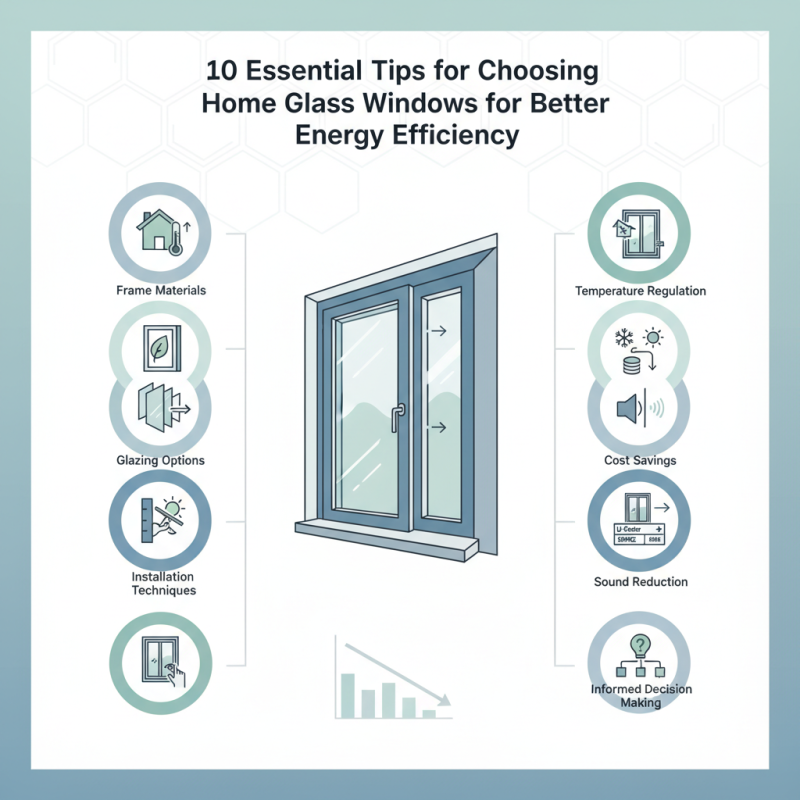
When it comes to enhancing energy efficiency in our homes, the choice of "home glass windows" plays a pivotal role. According to John Smith, a leading expert in sustainable building practices, "The right windows can significantly reduce energy consumption while improving overall comfort." Selecting the ideal home glass windows involves considering various factors that influence energy performance, including frame materials, glazing options, and installation techniques.
As energy costs continue to rise, homeowners are increasingly aware of the importance of making informed decisions about their window choices. High-quality home glass windows not only provide aesthetic appeal but also contribute to substantial savings on heating and cooling expenses. With advancements in technology, options such as Low-E coatings and triple glazing have become readily available, allowing consumers to tailor their selections to meet specific energy efficiency goals. By implementing these tips and insights, homeowners can navigate the complexities of choosing the right home glass windows to optimize energy performance in their living spaces.
Understanding Energy Efficiency in Home Windows
Understanding energy efficiency in home windows is crucial for both environmental considerations and personal comfort. Energy-efficient windows are designed to minimize energy loss, helping to regulate indoor temperatures and reduce heating and cooling costs. The performance of these windows is primarily influenced by their materials, design, and the type of glazing used. Double or triple glazing, as opposed to single glazing, provides better insulation by trapping air or gas between the panes, which acts as an effective barrier against heat transfer.
Furthermore, the energy efficiency of windows can also be enhanced through low-emissivity (Low-E) coatings. These coatings reflect heat back to the source while allowing natural light to enter, making them a smart choice for homeowners looking to maximize natural lighting while minimizing energy costs. Additionally, proper installation plays a vital role in maintaining energy efficiency. Even the best windows can underperform if not fitted correctly, leading to unwanted drafts and heat loss. By understanding these elements, homeowners can make informed decisions that align with their energy efficiency goals.
Energy Efficiency Ratings of Different Window Types
Types of Glass Materials and Their Energy Performance
When selecting glass materials for home windows, understanding the different types and their energy performance is crucial for enhancing energy efficiency. Single-pane glass is the least energy-efficient option, as it offers minimal insulation and can lead to significant heat loss in winter and heat gain in summer. In contrast, double-pane glass, which consists of two glass layers with an insulating space in between, significantly improves thermal performance and reduces energy costs. The air or gas filling used in the gap—such as argon or krypton—further enhances insulation by minimizing heat conduction between the internal and external environments.
Moreover, specialized glass coatings, such as low-emissivity (Low-E) coatings, provide additional energy-saving benefits. These coatings reflect infrared energy while allowing visible light to enter, which helps maintain indoor temperatures by reducing heat transfer. Another option is tempered or laminated glass, which not only offers safety benefits but can also improve energy efficiency depending on the design and thickness. Homeowners should carefully evaluate these different glass materials, considering factors like climate, building orientation, and window frame type, to ensure optimal energy performance and comfort throughout the year.
10 Essential Tips for Choosing Home Glass Windows for Better Energy Efficiency
| Glass Type |
U-Value (W/m²K) |
Shading Coefficient |
Solar Heat Gain Coefficient (SHGC) |
Visibility Light Transmittance (%) |
| Single Glazed |
5.0 |
0.87 |
0.84 |
88% |
| Double Glazed |
2.8 |
0.70 |
0.71 |
80% |
| Triple Glazed |
1.1 |
0.58 |
0.54 |
72% |
| Low-E Double Glazed |
1.5 |
0.61 |
0.62 |
77% |
| Argon Gas Filled Double Glazed |
1.2 |
0.65 |
0.55 |
75% |
Factors Affecting Insulation and Heat Transfer in Windows
When selecting home glass windows, understanding the factors affecting insulation and heat transfer is essential for improving energy efficiency. According to the U.S. Department of Energy, windows account for approximately 25% to 30% of residential heating and cooling energy use. Thus, choosing the right glass type can significantly reduce energy consumption. The primary considerations include the window's thermal performance, which is measured by the U-factor, Solar Heat Gain Coefficient (SHGC), and Visible Transmittance (VT). A lower U-factor indicates better insulation, while a balanced SHGC helps control heat gained from sunlight, making it crucial to match these values to your climate.
Another critical factor is the glazing type. Double-glazed windows, for example, can reduce heat loss by up to 50% compared to single-glazed units. Research from the American Society of Heating, Refrigerating and Air-Conditioning Engineers (ASHRAE) reveals that low-emissivity (low-e) coatings can enhance a window's performance by reflecting heat back into the room during winter months while deflecting it away during summer, thus optimizing indoor temperatures year-round. Choosing windows with argon or krypton gas fills further enhances thermal insulation, contributing to overall energy efficiency. By focusing on these elements, homeowners can make informed choices that lead to significant long-term savings on energy bills.
Choosing the Right Window Frame for Optimal Efficiency
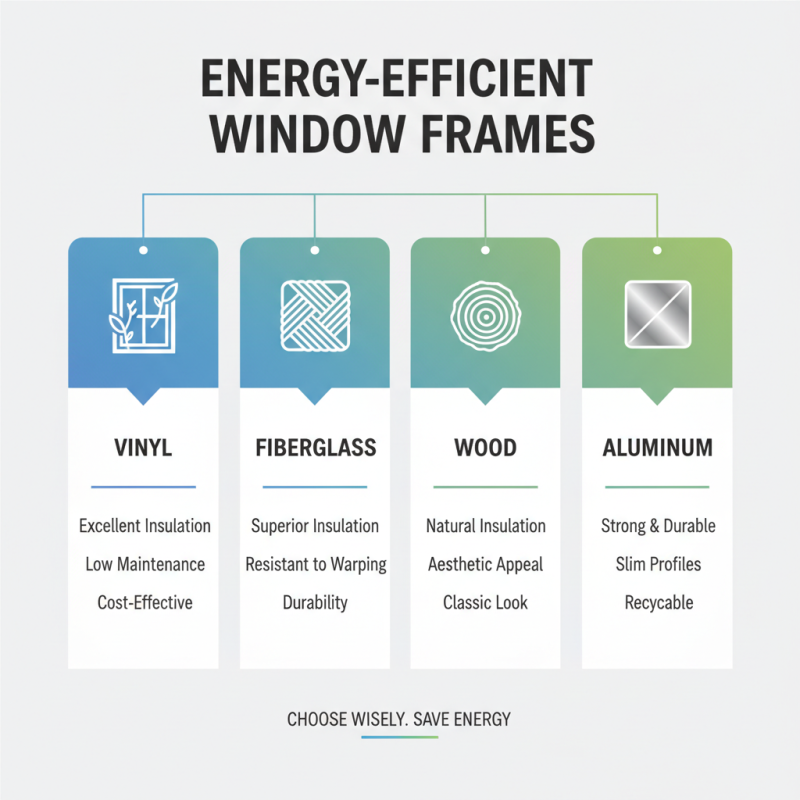
When selecting windows for your home to enhance energy efficiency, choosing the right window frame is crucial. The material of the frame significantly impacts both insulation and durability. Common options include vinyl, fiberglass, wood, and aluminum. Vinyl frames are known for their excellent thermal efficiency and low maintenance requirements, making them a popular choice for homeowners. Fiberglass frames also offer superior insulation properties and resistance to warping, while wood frames provide aesthetic appeal and natural insulation, although they may require more upkeep.
Another critical factor to consider is the frame's thermal performance, which can be influenced by its design and features. For example, frames with a multi-chamber design can reduce heat transfer, further improving energy efficiency. Additionally, ensure that the frames are equipped with low-conductivity materials or thermal breaks, which help to minimize energy loss. In colder climates, opting for materials that can withstand extreme temperatures without degrading is essential. By focusing on these aspects of window frames, homeowners can significantly contribute to their overall energy efficiency while maintaining comfort and reducing utility costs.
The Importance of Professional Installation for Energy Savings
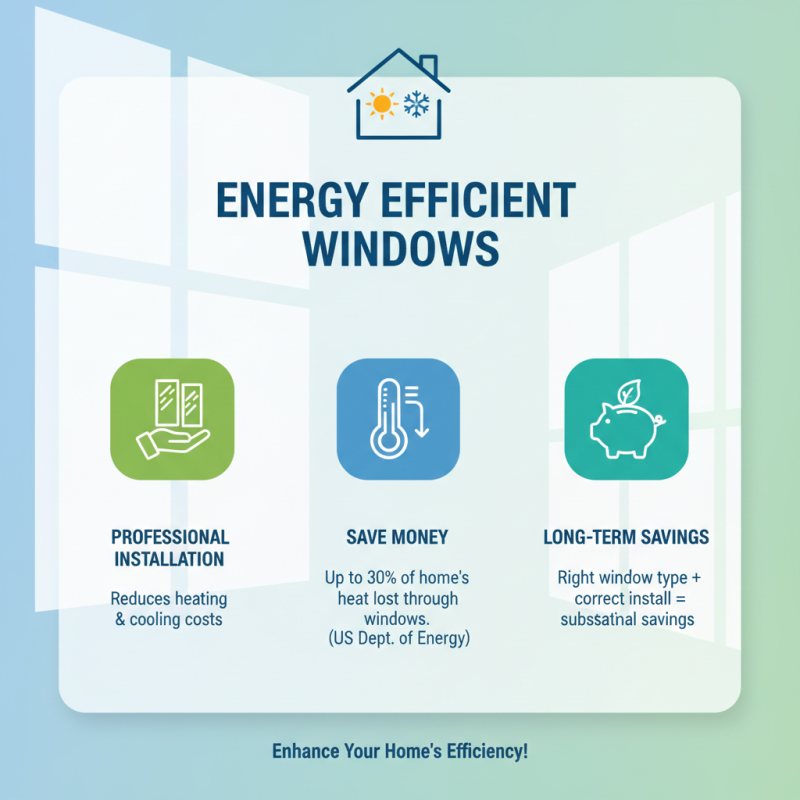
When it comes to enhancing the energy efficiency of your home, the installation of glass windows is critical. A professionally installed window can reduce your heating and cooling costs significantly. According to the U.S. Department of Energy, about 30% of a home's heating energy is lost through windows. Therefore, choosing the right window type and ensuring it is installed correctly can lead to substantial long-term savings.
One of the most important aspects to consider is the installation process itself. Professional installation ensures that windows are fitted correctly, minimizing gaps that can lead to drafts and energy loss. Research from the National Fenestration Rating Council (NFRC) shows that improperly installed windows can result in a 10-20% increase in energy costs. Take the time to invest in skilled professionals who understand the complexities involved in window installation.
When selecting windows, consider the following tips: choose double or triple-pane glass for better insulation, and look for low-emissivity (Low-E) coatings which reflect infrared light, keeping heat inside in the winter and outside in the summer. Additionally, be mindful of the frame materials, as they can affect the overall energy performance. Properly integrating these features, along with professional installation, can vastly improve your home’s energy efficiency and comfort level.