How to Choose the Best Windows for Home Improvement Projects?
Choosing the right windows for home improvement projects can significantly impact both energy efficiency and aesthetics. According to a recent industry report by the National Association of Home Builders, nearly 80% of homeowners prioritize energy conservation in their renovation plans. Selecting the best home improvement windows is not merely a matter of style; it's a crucial investment for your property's value.
Expert Tom Smith, a renowned consultant in the home improvement sector, emphasizes, "Quality windows can reduce energy bills and increase comfort." His insights underline the importance of choosing windows that fit both functional needs and design preferences. However, finding the ideal option often involves navigating a flooded market with numerous materials and styles. Many homeowners face challenges like overestimating their budget or underestimating installation costs.
Ultimately, making informed decisions about home improvement windows requires careful consideration of product quality and installation. Evaluating energy ratings and window types can be daunting. Yet, the right choice can enhance not just your home's appearance but also its overall performance. Reflecting on these factors is vital as homeowners embark on this journey.
Understanding Your Home's Architecture and Style
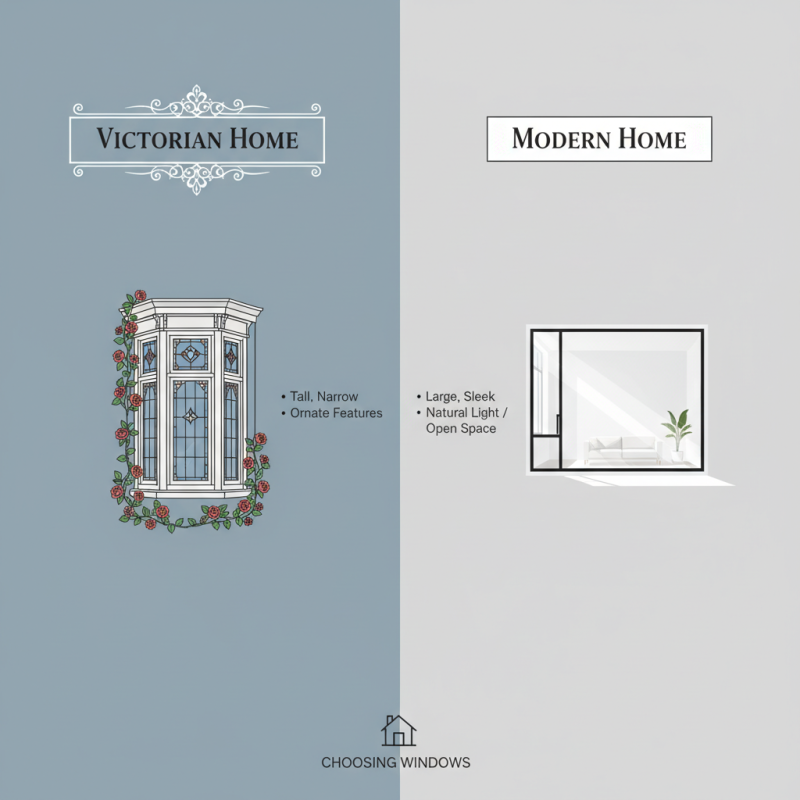
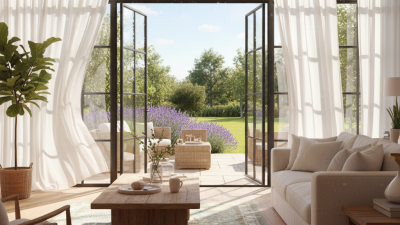
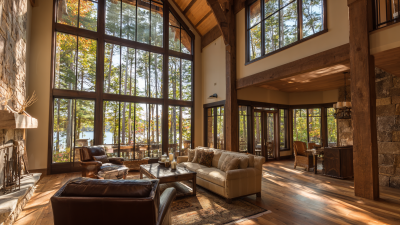
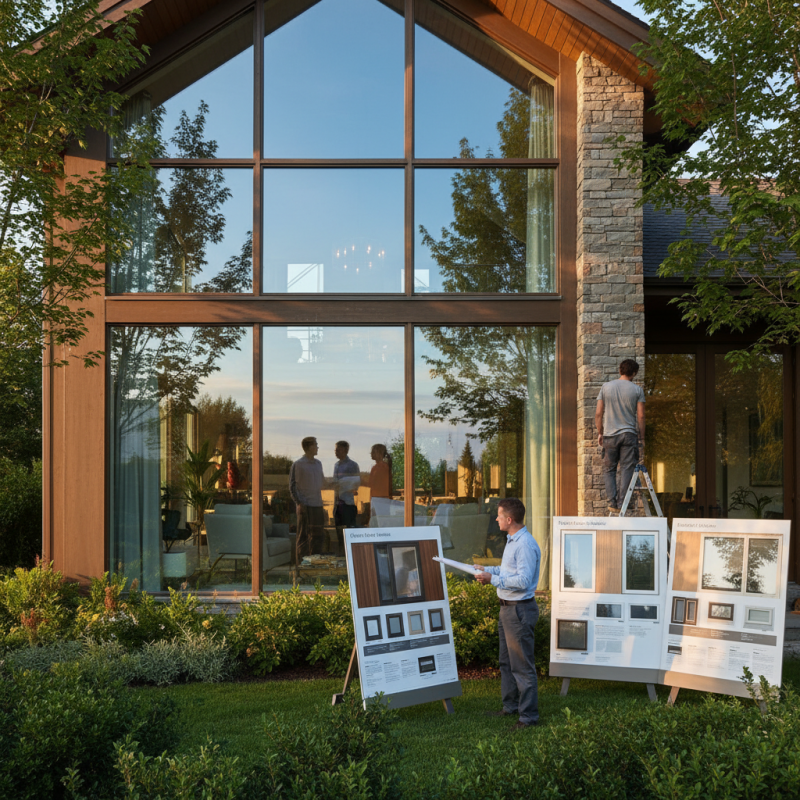
Choosing the right windows for your home improvement projects involves a keen understanding of your home's architecture and style. Each home has its own personality, influenced by its design elements. A Victorian house may benefit from tall, narrow windows that highlight its ornate features. Conversely, a modern home often shines with large, sleek windows that enhance open spaces and natural light.
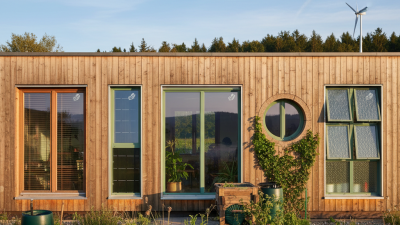
Consider how color and material affect your home’s overall aesthetic. Stained wood frames may complement classic styles, while aluminum can suit a minimalist approach. It's essential to reflect on these choices, as mismatched styles can disrupt your home’s flow. Imagine a Mediterranean villa with plastic frames—that could clash dramatically.
Also, think about function alongside style. Some designs may prioritize aesthetics, but practicality is just as vital. Windows that are difficult to open or maintain can become a nuisance. It’s wise to assess your home’s needs. Keep in mind the balance between beauty and usability, ensuring that every choice works in harmony. Don't rush; take time to visualize how each window fits into your home's story.
Evaluating Energy Efficiency Ratings and Features
When selecting windows for home improvement, energy efficiency is crucial. Look for windows with energy ratings. These ratings indicate how well windows insulate your home. A higher rating often means lower energy bills. Check for features like low-E glass and gas fills in the spaces between panes. These aspects boost insulation and reduce heat transfer.
Tips: Measure your current windows carefully. This will help you choose the right size. Consider the climate in your area. Different materials perform better in various conditions. A window that works well in warm climates may not be ideal in colder regions.
Evaluate the frame material too. Vinyl, wood, and aluminum each have pros and cons. For instance, vinyl is low-maintenance but may not offer the same aesthetic as wood. A reflective finish can enhance energy efficiency but may impact appearance. Take your time to compare all options thoroughly.
Remember, not all energy-efficient windows are perfect. You may face challenges with installation or maintenance. Do your research and stay informed. Consider professional advice but trust your instincts. It's important to balance efficiency with personal style.
Energy Efficiency Ratings of Different Window Types
Choosing the Right Window Materials for Durability
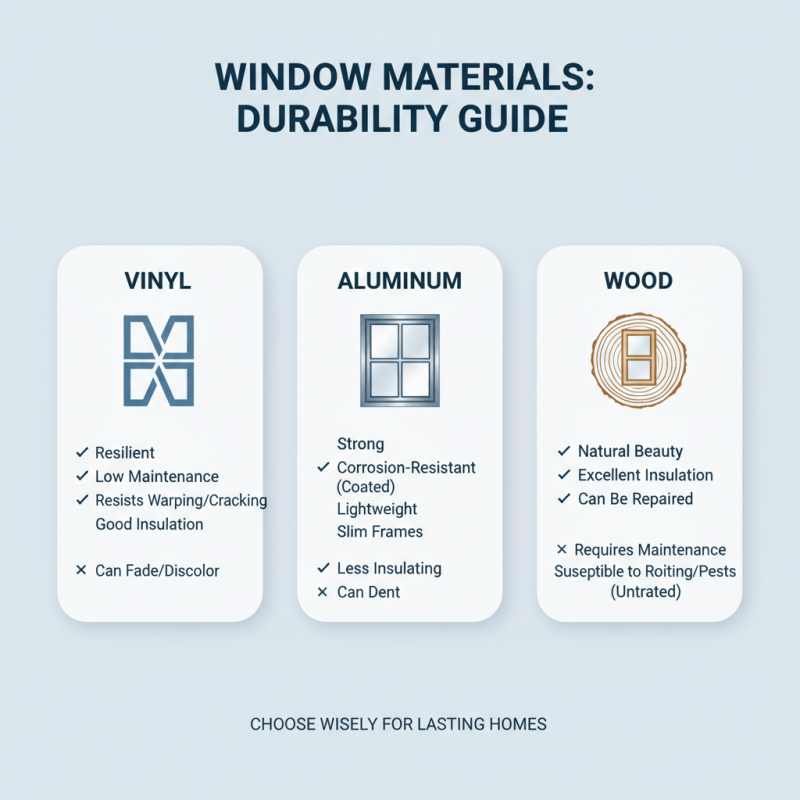
When choosing window materials for durability, there are several options. Vinyl is popular for its resilience and low maintenance. It doesn't warp or crack easily. Many homeowners appreciate its insulating capabilities. However, it can sometimes fade or discolor over time.
Wood offers a classic look and excellent insulation. It's strong but requires regular upkeep. Without proper sealing, it can succumb to rot or insect damage. Some might find this a small price for aesthetics. Aluminum is lightweight and robust. It holds up well in harsh weather conditions. Yet, it can transfer heat, leading to higher energy costs.
Consider the specific needs of your home. Think about the climate in your area. This decision isn't just about looks; it impacts energy efficiency too. Weigh the pros and cons of each material. Your choice should reflect both style and practicality. Make sure the decision feels right for you.
Exploring Window Types and Their Aesthetic Appeal
Choosing the right windows can transform your home’s aesthetic. Various window types fit diverse styles. For example, double-hung windows offer a classic look. Their vertical design suits traditional homes.
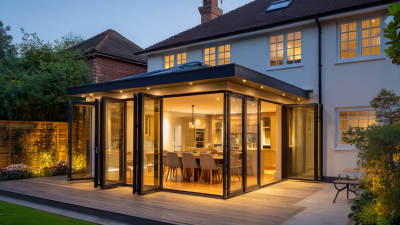
Casement windows provide a modern touch. They open outward, creating a sleek profile.
When selecting windows, consider the materials. Wood windows bring warmth and charm. However, they require regular maintenance. Vinyl windows are low-maintenance but might appear too simplistic. Focus on how windows align with your home’s character.
Tips: Visit showrooms to see windows in person. Assess how light enters your spaces. Imagine how different styles change your atmosphere. Test how windows operate to ensure ease of use. Not all windows will fit every home’s vibe. Think about functionality and visual appeal together.
Budgeting for Window Replacement and Installation Costs
When planning window replacement, understanding costs is crucial. A recent study shows that homeowners can expect to spend between $300 to $1,000 per window. This range includes various factors, like materials, style, and labor costs. For example, vinyl windows are generally more affordable, while wood options can be pricier but offer a classic look.
Installation costs can add up quickly. Labor alone can account for 25% to 50% of the total project expenses. In some regions, labor rates vary significantly. A HomeAdvisor report highlights that window installation in urban areas may reach as high as $200 per window. This discrepancy can affect budgeting greatly.
Homeowners often overlook additional expenses. Removing old windows, making any necessary repairs, and permitting fees can inflate the budget. These surprises remind us to plan ahead and set aside extra funds. The initial estimation can seem straightforward, yet real-world figures often tell a more complex story.