How to Choose the Best Clad Windows for Your Home?
Choosing the right clad windows for your home can be daunting. According to expert Robert Smith, a renowned architect specializing in residential design, “The right clad windows not only enhance aesthetics but also improve energy efficiency.” This statement emphasizes the significance of careful selection.
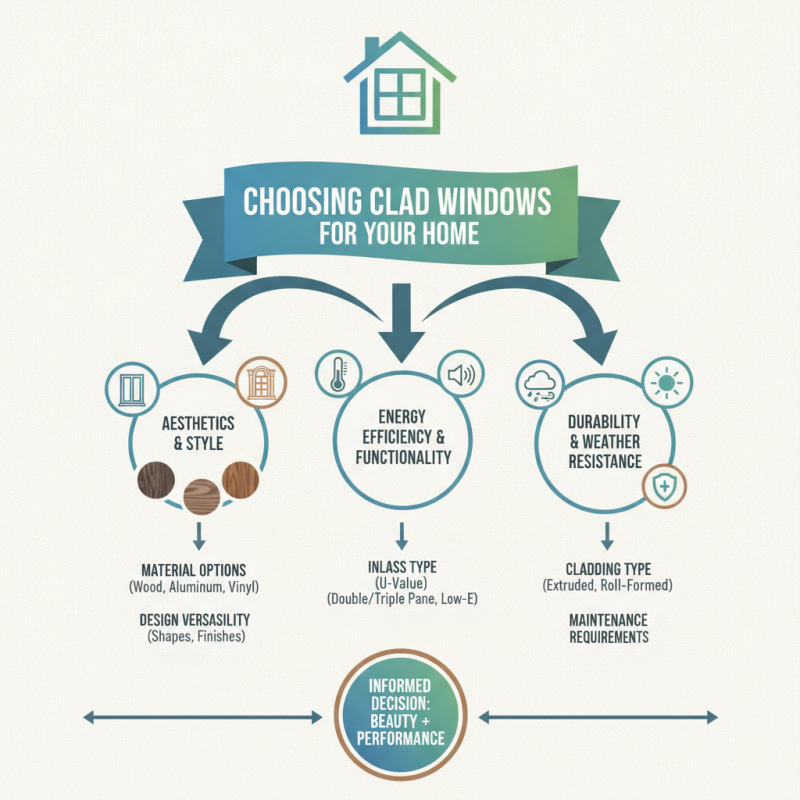
When considering clad windows, it’s essential to evaluate both style and functionality. Clad windows are known for their durable exteriors and beautiful wood interiors. However, not all options are equal. Some may offer better insulation, while others might lack in design versatility. This variability necessitates thorough research.
Moreover, personal preferences can cloud judgment. Homeowners must balance looks with practicality. A window that seems perfect might not perform well against harsh weather. Thus, understanding the advantages and limitations of different clad window options can lead to more informed decisions. By reflecting on these aspects, homeowners can achieve the ideal blend of beauty and performance in their living spaces.
Understanding Clad Windows: Key Features and Benefits for Homeowners
Clad windows are a popular choice for homeowners seeking durability and style. These windows feature a protective layer, often made from fiberglass or vinyl, over a wood frame. This design combines the elegance of wood with the practicality of modern materials. Homeowners appreciate that clad windows resist fading, chipping, and peeling, which maintains their aesthetic appeal longer than traditional wood windows.
One of the key benefits of clad windows is energy efficiency. They often come with insulated glass options that reduce heat loss. This can result in lower energy bills, making them an intelligent investment over time. However, it’s essential to consider the climate in your area. In harsh environments, the right material for the cladding can significantly affect performance. Some users have reported issues with condensation, suggesting that homeowners should carefully evaluate their ventilation systems.
When choosing clad windows, think about design aesthetics. The exterior finish can range from sleek modern designs to classic styles. It's important to match the windows with your home’s architecture. Consulting with professionals can provide insights into materials and styles that best suit your needs. While clad windows offer many advantages, homeowners should also reflect on their long-term maintenance plans to ensure ongoing performance and beauty.
How to Choose the Best Clad Windows for Your Home?
| Feature |
Description |
Benefits |
| Material |
Clad windows typically feature a wood frame with a protective exterior layer of aluminum or vinyl. |
Combines the aesthetic appeal of wood with the durability of metal or synthetic materials. |
| Energy Efficiency |
Clad windows often come with advanced insulation and low-E glass options. |
Helps reduce energy costs and improves comfort by maintaining a stable indoor temperature. |
| Maintenance |
The exterior finish requires minimal maintenance compared to traditional wood windows. |
Saves time and money on upkeep while retaining the beauty of wood indoors. |
| Customization |
Clad windows are available in various colors, styles, and finishes to match your home’s aesthetic. |
Allows homeowners to choose products that suit their design vision. |
| Durability |
The exterior cladding is resistant to moisture, UV rays, and impacts. |
Increases the lifespan of the windows and reduces the likelihood of wear and tear. |
Types of Cladding Materials and Their Impact on Durability and Maintenance
Choosing the right cladding material for your windows can significantly affect their durability and maintenance. Common options include vinyl, wood, and metal. Vinyl is often favored for its low maintenance and resistance to fading. However, it can crack in extreme temperatures. Wood, on the other hand, offers natural beauty but requires regular maintenance to prevent rot. Proper sealing is crucial, yet this may not always be diligently applied.
Metal cladding, particularly aluminum, stands out for its strength and modern look. It resists warping and corrosion, but it can dent easily. Choosing a durable material means considering your local climate and potential exposure to elements. For instance, homes in humid areas may need materials that resist moisture better.
Each type of cladding has its trade-offs. It’s vital to weigh aesthetic appeal against practicality. Some may overlook how regional weather impacts material longevity. Investing time in research will lead to a more informed choice, ensuring your windows meet both beauty and functionality needs.
Comparison of Cladding Materials for Windows
Energy Efficiency Ratings: How Clad Windows Affect Your Home's Performance
When it comes to energy efficiency, clad windows are a top choice for homeowners. These windows combine a sturdy frame with slim, insulating materials. This design helps to maintain indoor temperatures, reducing the need for heating and cooling. According to the U.S. Department of Energy, well-insulated windows can lower energy bills by up to 30%.
Different materials affect performance. For example, wood-clad windows generally offer better insulation than vinyl options. Their energy efficiency ratings often depend on the type of glass used. Double or triple-pane glass with low emissivity coatings can significantly boost efficiency. However, not all clad windows are created equal. Consumers should be wary of exaggerated claims and understand their local climate's specific needs.
Choosing clad windows also involves considering installation quality. Poorly sealed windows can lead to air leaks, negating their energy-saving benefits. It's essential to consult professionals for proper installation. Reflecting on the long-term investment is key. While clad windows can be pricey upfront, the potential savings in energy costs may offset this expense over time. Balancing aesthetics with energy efficiency can be challenging but essential for lasting comfort in your home.
Cost Analysis: Comparing Initial Investment vs. Long-Term Savings
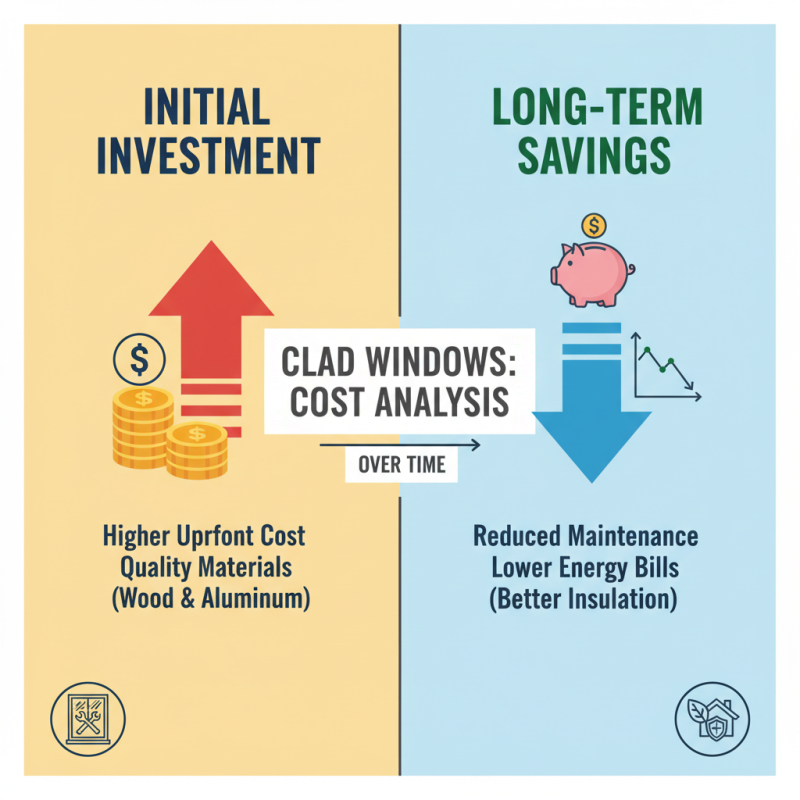
When selecting clad windows, the cost is often a perplexing factor. You might face high initial investments, but long-term savings can offer significant benefits. Clad windows have a higher upfront cost due to quality materials like wood and aluminum. However, they require less maintenance over time, which can save you money later. Many homeowners notice a reduction in energy bills due to better insulation.
For example, consider your local climate. If you live in an area with extreme temperatures, investing in clad windows could yield substantial energy savings. Over the span of several years, these windows may pay for themselves through reduced utility expenses. This is where the long-term outlook is crucial. While the initial expense can be daunting, the durability of clad materials means fewer replacements and repairs.
Reflecting on personal budgets can be challenging. What seems costly today might turn into a wise investment later. It’s essential to weigh your immediate financial capabilities against potential future savings. Will you benefit much from that investment? In the end, the value lies in balancing cost against longevity and performance.
Installation Considerations: Choosing the Right Professional for Your Project
Installing clad windows is a significant investment. Choosing the right professional is crucial. Their skills can affect the quality of the entire project. Look for contractors with extensive experience in window installations. Ask for references from previous clients. This is essential to gauge their reliability. Professionalism matters—ensure they communicate well.
Evaluate their qualifications. Certifications or endorsements from industry organizations are good indicators. A qualified installer understands local building codes and requirements. Inquire about their installation methods. Some professionals may cut corners to save time. This must be avoided at all costs. Proper installation ensures durability and efficiency.
Discuss your specific project needs in detail. A good professional will listen and provide tailored advice. You may encounter mistakes during the selection process. Reflect on your discussions if something doesn’t feel right. Trust your instincts. The right installation will enhance your home’s aesthetic and energy efficiency for years to come.