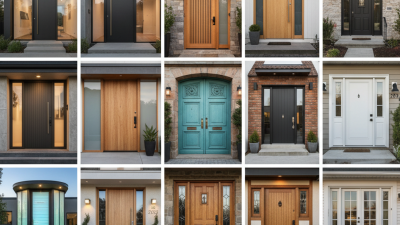
How to Choose the Right Exterior Doors for Your Home?
Choosing the right exterior doors for your home can feel overwhelming. Industry expert Mike Thompson, a renowned architect in sustainable design, emphasizes, "Your door should reflect your style and offer security." This statement captures the essence of selecting exterior doors—a balance of aesthetics and functionality.
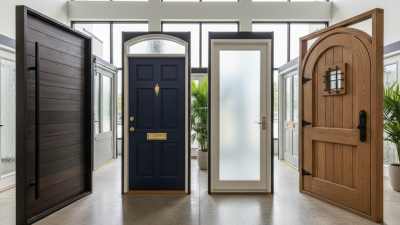
Exterior doors are not just entry points; they enhance your home’s curb appeal. They play a crucial role in energy efficiency and security. With various materials available, such as wood, fiberglass, and steel, the options are abundant. However, each material has its pros and cons. For example, wood may offer beauty but requires more maintenance.
When considering exterior doors, think about the climate and location. A door that works in a temperate area may not suit regions with extreme weather. It’s essential to carefully assess your needs. Ideally, the choice should not just be trendy but also durable and reliable. Reflecting on these factors will lead you to a door that complements your home and lifestyle.
Assessing Your Home's Architectural Style for Exterior Door Selection
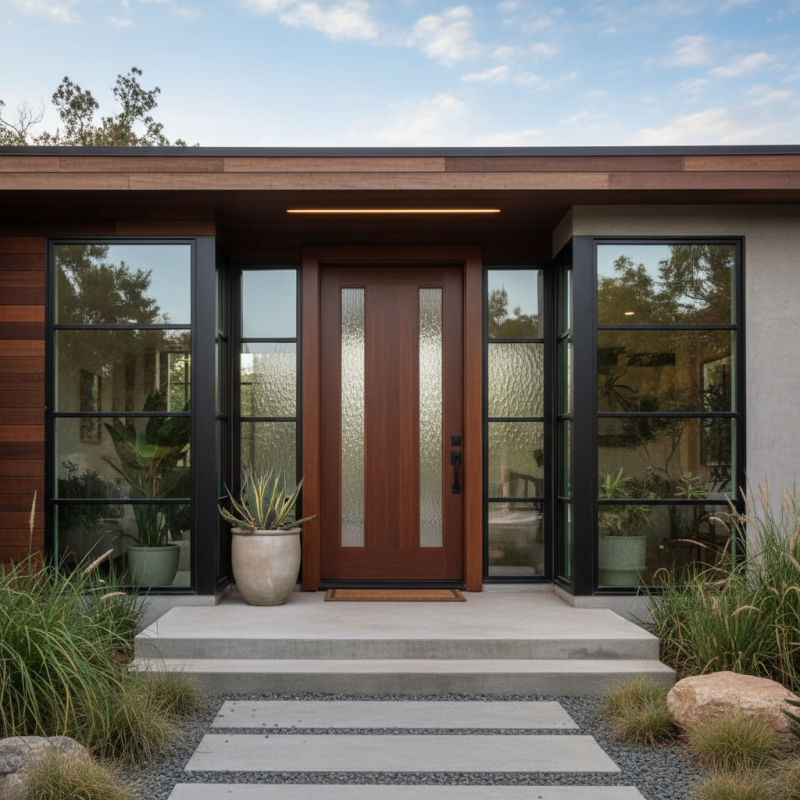
Choosing the right exterior doors begins with understanding your home's architectural style. The exterior door is a critical component of your home’s first impression. A door that complements your style enhances visual appeal. For example, a contemporary home often benefits from sleek, minimalist doors. Conversely, traditional homes may require doors with more ornate details.
According to industry data, over 30% of homeowners prioritize architectural harmony when selecting doors. This statistic reflects a growing trend towards cohesive design. Doors with consistent aesthetics not only improve curb appeal but can also increase property value. In a recent study, homes with well-matched exterior doors saw an average increase in market value by 10%.
When assessing architectural styles, consider key elements like material, color, and design. Wood, fiberglass, and steel doors each offer distinct advantages. However, selecting materials that align with your home’s characteristics is crucial. Some homeowners struggle with this aspect, often choosing functionality over visual coherence. This can lead to a disjointed look. Taking time to reflect on these choices can lead to more satisfying results.
Understanding Different Exterior Door Materials and Their Benefits
Choosing the right exterior door involves understanding available materials. Each type has unique benefits and drawbacks.
Wood doors offer classic beauty and good insulation but can warp over time. They need regular maintenance to resist weather damage.
Steel doors are strong and durable. They provide excellent security and insulation. However, they can dent and may rust if not properly coated.
Fiberglass doors are low-maintenance and energy-efficient. They can mimic wood, offering versatility in design.
Consider how each material performs in your climate. Some hold up better against moisture or extreme temperatures. Reflect on your home's style and your personal preference.
Making the right choice requires careful thought about durability and aesthetics.
Evaluating Energy Efficiency Ratings and Security Features
When selecting exterior doors, energy efficiency and security features are essential considerations. According to the U.S. Department of Energy, nearly 30% of heating and cooling energy use in homes can be attributed to air leaks. High-efficiency doors with Energy Star ratings can significantly reduce this loss. These doors minimize drafts and maintain comfortable indoor temperatures. Look for doors with low U-values and high R-values, as they indicate better insulation.
Security is another critical aspect. According to the FBI, a burglary occurs every 23 seconds in the United States. A robust exterior door can deter intruders. Features such as solid wood or metal construction, multi-point locking systems, and impact-resistant glass can enhance security. Additionally, doors should meet industry standards like ASTM F588 for impact resistance. Homeowners need to carefully weigh these factors, as a beautiful but insecure door can leave homes vulnerable.
It's essential to reflect on your choices. Opting for a high-end door may not always guarantee better performance. Sometimes more affordable options meet both energy efficiency and security criteria. Always consult professionals for the best advice tailored to your home's needs.
Considering Budget Constraints and Long-Term Value of Doors
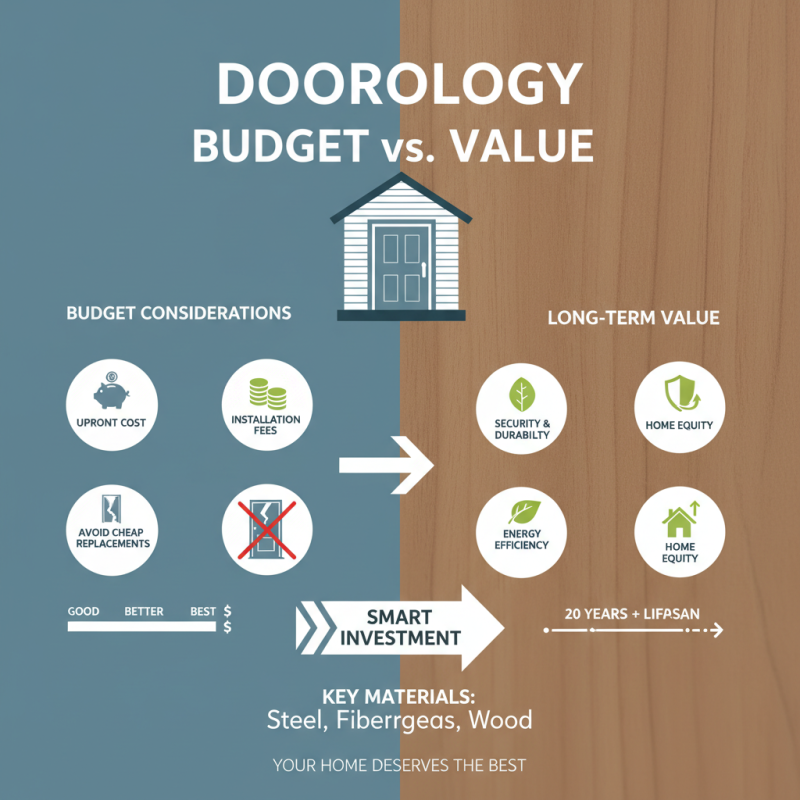
Choosing the right exterior doors involves careful consideration, especially regarding budget constraints and long-term value. It’s more than just aesthetics; it’s about lasting durability, security, and energy efficiency. You need to reflect on your spending power while ensuring you get something that won’t need replacing soon.
When budgeting for doors, assess quality versus cost. Sometimes, cheaper doors may seem attractive. However, lower initial costs can lead to higher expenses later in repairs and replacements. Look for energy-efficient options. They might have a higher upfront cost, but savings on energy bills over time can justify the investment.
Tips:
Prioritize materials like fiberglass or steel for durability. Both offer excellent protection and are energy-efficient. Consider the door’s insulation value. Better insulation can lower your energy bills. Don’t rush your decision; take time to compare options.
It's also essential to measure your space accurately. Poorly fitting doors can lead to increased energy costs. Consider hiring professionals for installation. DIY might save money initially, but mistakes can be costly. Remember, a good door should enhance your home and provide security for years to come.
Selecting the Right Size and Specifications for Your Entry Points
When selecting the right size and specifications for exterior doors, consider the dimensions of your entryway. According to the National Association of Home Builders, most homes use standard door sizes, typically 36 inches wide and 80 inches tall. However, custom sizes can enhance aesthetics and functionality. Ensure you measure your doorframe accurately. A poorly sized door can lead to gaps, compromising energy efficiency.
Material choice plays a critical role in performance. The U.S. Department of Energy reports that energy-efficient doors can lower heating and cooling costs by 10-25%. Look for doors with good insulation properties. Solid core doors tend to outperform hollow core options. Additionally, consider the climate in your area. In regions prone to storms, reinforced doors may be necessary for protection.
Finishing touches can enhance security and durability. Hardware options should include deadbolts and high-quality locks. A door’s finish can also affect its longevity; weather-resistant coatings are essential for exterior doors. Be mindful of the door's overall design, too. It should complement your home while also providing easy access for everyone. Always reassess after installation; proper sealing and weatherstripping aid in maintaining performance.