How to Choose the Best Windows for Bay Windows?
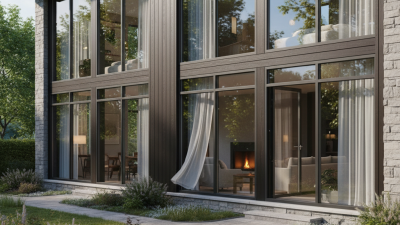
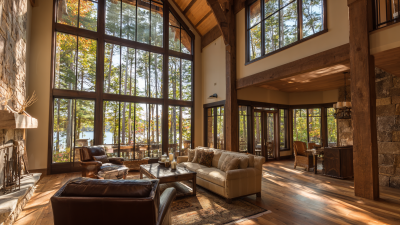
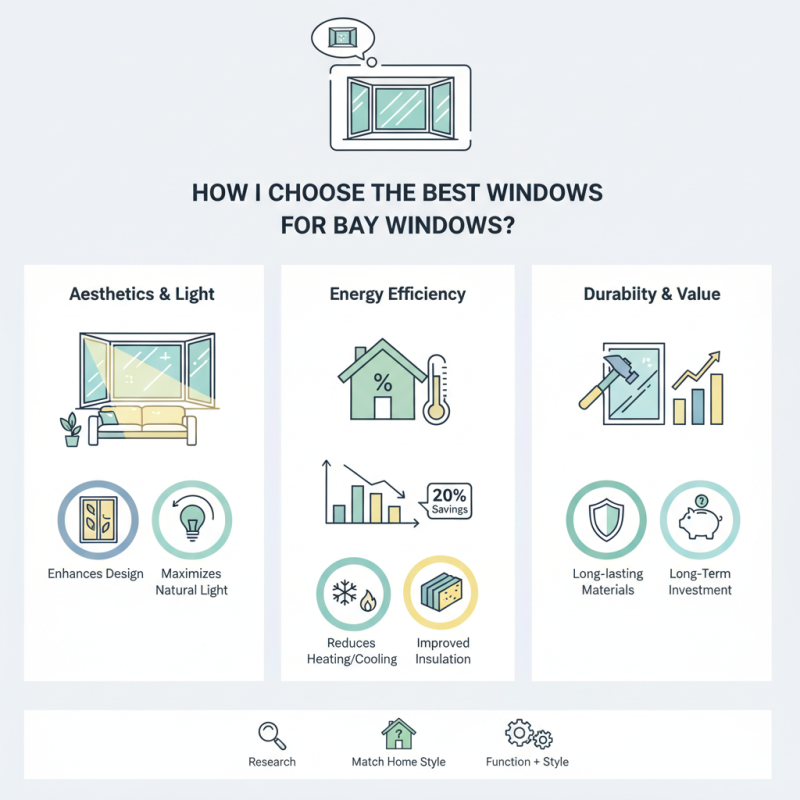
Choosing the right windows for bay windows is a critical decision for homeowners. These windows not only enhance aesthetics but also significantly influence energy efficiency. Recent industry reports indicate that well-chosen windows can reduce heating and cooling costs by up to 20%. This makes understanding the options crucial for effective home improvement.
Expert in residential design, John Smith, emphasizes, "The right windows for bay windows can transform natural light and enhance your living space." Selecting high-quality materials and styles aligned with your home’s architecture is essential. Yet, many homeowners overlook the importance of these choices. They often focus only on price, rather than long-term benefits.
When deciding on windows for bay windows, consider durability and insulation properties. Options may vary widely, and some could fail, leading to future repairs. Not all windows suit every bay design, and personal preference plays a significant role. Overall, achieving the perfect balance between function and style requires thorough research and reflection.
Factors to Consider When Choosing Windows for Bay Windows
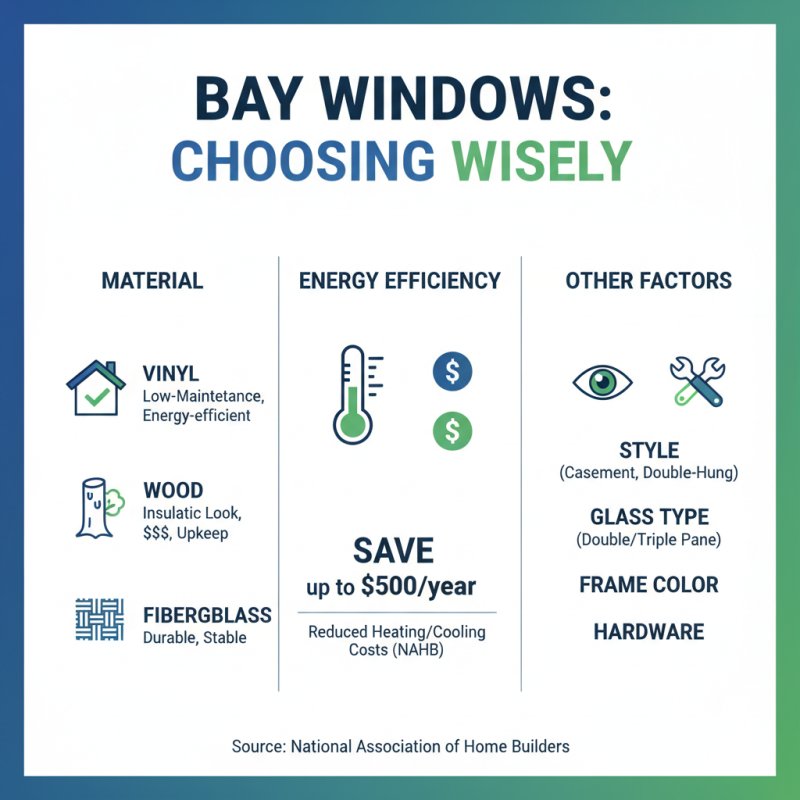
Choosing the right windows for bay windows involves several important factors. One key aspect is the material. Common options include vinyl, wood, and fiberglass. Vinyl is low-maintenance and energy-efficient. Wood offers excellent insulation. However, it can be expensive and requires regular upkeep. According to the National Association of Home Builders, energy-efficient windows can save homeowners up to $500 annually on heating and cooling costs.
Another factor to consider is the style and design. Bay windows come in various shapes. Options include traditional, modern, or even custom designs. The size of the opening is essential too. Larger windows can dramatically enhance your view. Yet, they may also increase energy loss. A study from the American Institute of Architects shows that window selection significantly impacts a home’s curb appeal.
Tips: Always check for energy ratings. Look for windows with a lower U-factor for better insulation. Proper installation affects performance. Always hire qualified professionals. Consider the long-term costs. Sometimes, cheaper options may lead to higher energy bills. Balancing beauty with functionality is crucial. Reflect on your needs and home style before making a choice.
Types of Windows Suitable for Bay Window Installations
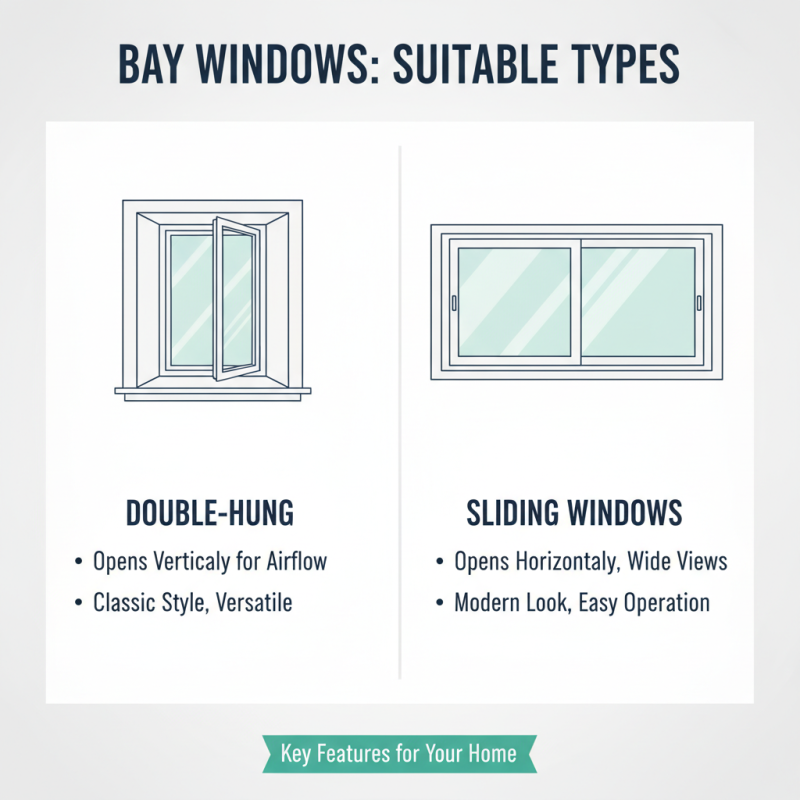
When considering windows for bay window installations, it's essential to explore various types. Double-hung windows are popular due to their flexibility. They open vertically, allowing for easy airflow. Their design complements many architectural styles. Sliding windows are another great option. They move horizontally and can provide a wide view of your surroundings. This type offers a modern look and is easy to operate.
Casement windows also work well in bay setups. They hinge at the side and swing open. This feature maximizes ventilation and is great for tight spaces. However, one must consider how they intrude into the room when open. Awning windows, which open outward from the bottom, can be paired with fixed units. They offer ventilation without sacrificing privacy. Keep in mind that choosing window styles should reflect your personal taste and match your home's exterior.
Windows in bay installations can create beautiful focal points. However, it's easy to overlook the importance of insulation. Different window types offer varied energy efficiency. Poor insulation might lead to high energy bills. Also, consider the available space and how much light you want. Sometimes less is more. Choosing the right windows requires careful thought and a balance of aesthetics and practicality.
Energy Efficiency Ratings and Their Importance for Bay Windows
When selecting windows for bay installations,
energy efficiency should be a primary consideration.
Windows are a significant source of heat loss in homes.
Poorly insulated bay windows can lead to increased energy bills and discomfort.
Understanding energy efficiency ratings is crucial.
The ratings indicate how well windows resist heat transfer.
Look for windows with higher ratings to ensure better insulation.
For instance, windows with a low U-factor retain warmth during winter.
Similarly, the solar heat gain coefficient (SHGC) measures how much solar heat enters.
Lower SHGC values are beneficial in warm climates
to keep interiors cooler.
However, it's easy to overlook these details.
Shiny new windows can distract from their energy metrics.
Compromises may arise between aesthetics and utility.
Sometimes, consumers prioritize appearance over performance, leading to regrets.
Reflect on your real needs.
Balance aesthetics with energy efficiency
to make a better choice.
Aesthetic Considerations: Style and Design for Bay Windows
When choosing windows for bay windows, aesthetics play a key role. The right design enhances your home’s style. Bay windows can complement different architectural themes. Consider the overall shape of your window. Curved designs add elegance. Square designs create a modern look.
Color matters too. Lighter colors can make the space feel larger. Darker hues often convey warmth and intimacy. Pay attention to trims and finishes. They can significantly affect how your bay window presents itself. A quick paint touch-up may be needed over time.
Tip: Measure your space carefully before buying. A perfect fit is essential for both style and functionality. You might want to match window style with the home’s exterior. Think about how the windows will affect room lighting. Too much sunlight can fade fabrics and furniture. Balancing aesthetics and practicality is important for long-term satisfaction.
Window Style Preference for Bay Windows
Installation and Maintenance Tips for Bay Windows with New Windows
When installing new windows for bay windows, careful consideration is key. Proper installation can enhance energy efficiency by up to 30%, according to industry data. This means significant savings on heating and cooling costs. Make sure to seal all joints and gaps during installation. A well-installed window prevents drafts and moisture issues.
Maintenance is crucial for bay windows. Regularly check the seals and weatherstripping for wear. Replacing worn-out components can extend the lifespan of your windows. Some studies indicate that neglecting maintenance can lead to a 20% decrease in window performance. Cleaning the window frames and glass is also important. A buildup of grime can lead to unexpected problems down the line.
Inspect your bay windows at least twice a year. This habit can help catch issues early. Bay windows can be unique and beautiful. However, they may require more attention to maintain their structure over time. Consider the local climate when thinking about materials and design. In regions with heavy rain, proper drainage is essential. The investment in good windows requires ongoing commitment.
How to Choose the Best Windows for Bay Windows? - Installation and Maintenance Tips for Bay Windows with New Windows
| Window Type |
Material |
Energy Efficiency Rating |
Installation Cost (per window) |
Maintenance Frequency |
| Casement Window |
Vinyl |
Energy Star Certified |
$300 |
Every 3 years |
| Double-Hung Window |
Aluminum |
U-Factor 0.32 |
$250 |
Every 5 years |
| Bay Window |
Wood |
R-Value 4.5 |
$800 |
Every year |
| Picture Window |
Fiberglass |
Energy Efficient |
$350 |
Every 2 years |