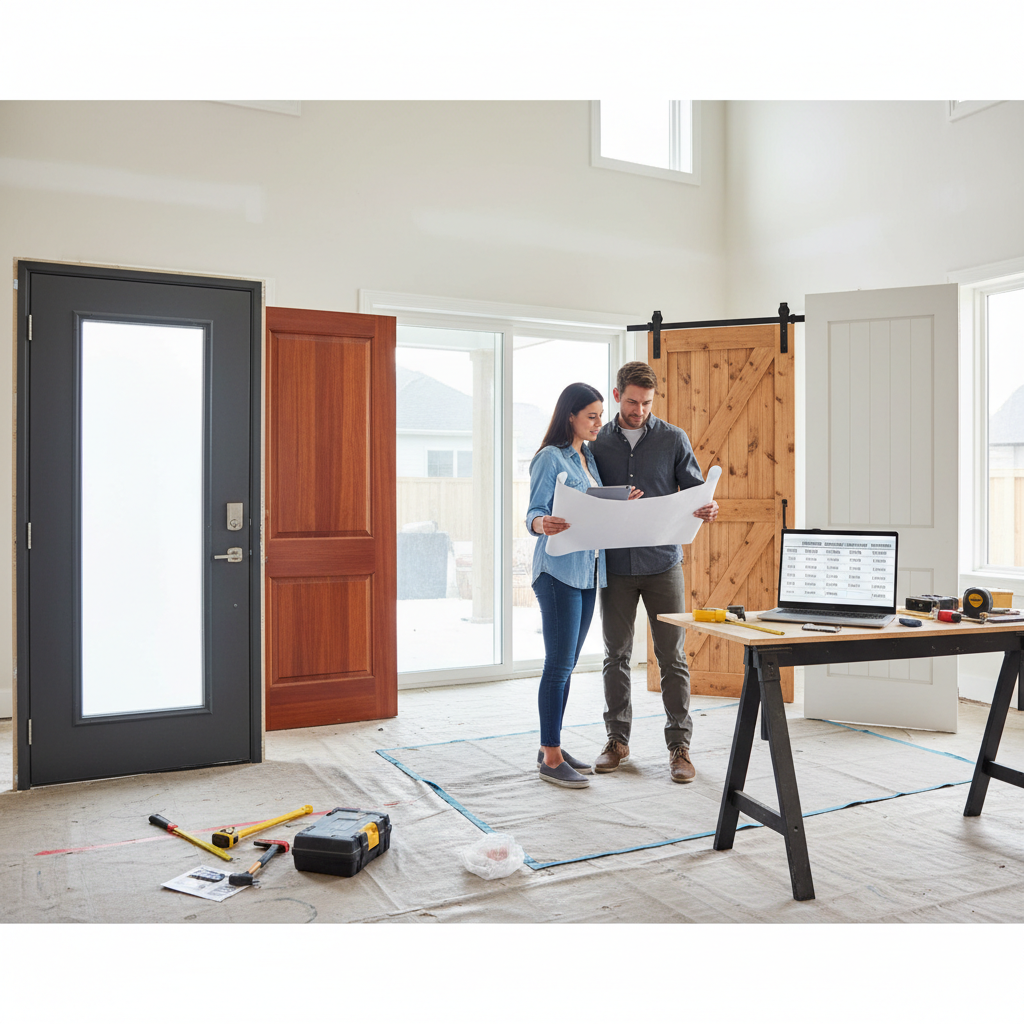

When it comes to enhancing the aesthetic appeal and functionality of your home, choosing the right house doors is crucial. A recent report by the National Association of Home Builders (NAHB) indicates that nearly 87% of home buyers consider curb appeal as one of their top priorities, with doors playing a significant role in creating an inviting atmosphere. The right door not only enhances the visual interest of your façade but also contributes to energy efficiency, security, and accessibility.
Moreover, according to the American Institute of Architects, contemporary home design trends are increasingly focused on integrating durable materials and innovative technologies into the construction of house doors. Homeowners are now more inclined to invest in high-quality doors that reflect their personal style while meeting specific needs. As trends evolve, understanding the diverse styles and functionalities available can guide homeowners in making informed decisions that align with both their aesthetic preferences and practical requirements.
In this guide, we will explore various options for house doors, examine the factors to consider when selecting them, and provide insights to help you choose the perfect doors tailored to your home’s architecture and your lifestyle needs.
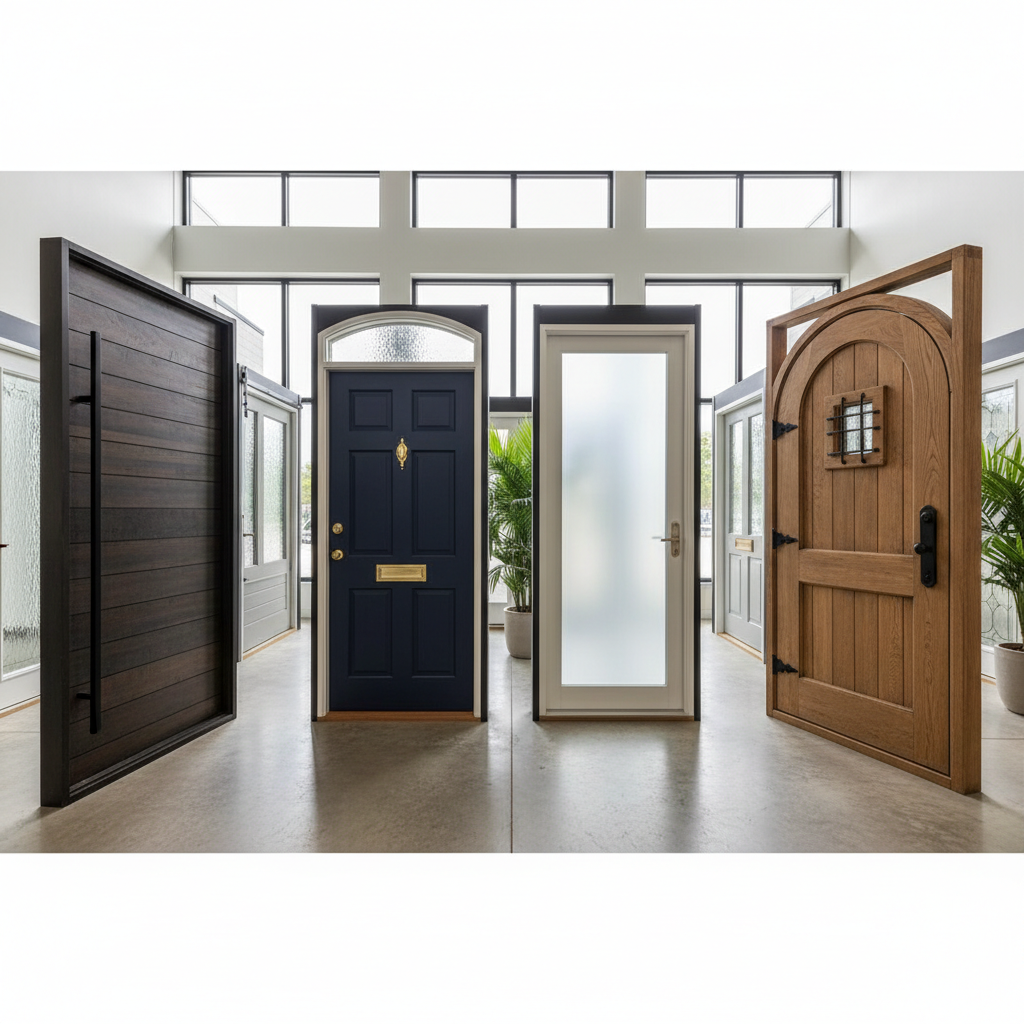
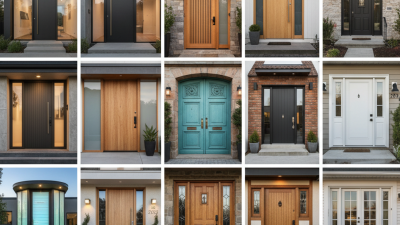
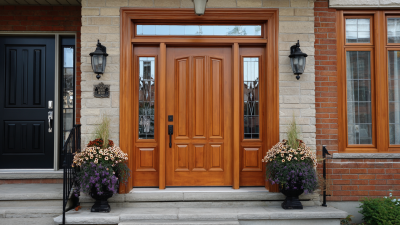
When selecting the perfect house doors, understanding your home’s architectural style is essential. Different styles, from traditional to modern, each have unique design elements that influence door selection. For instance, a classic Victorian home may call for doors with intricate moldings and rich wood finishes, while a sleek contemporary home could benefit from minimalist doors, perhaps with glass panels or smooth surfaces that enhance light and space.
The door you choose should not only complement the aesthetics of your home but also resonate with its overall character. Rustic styles may require doors made of reclaimed wood with natural textures, whereas a farmhouse design might incorporate sliding barn doors for functionality and charm. By aligning your door selection with your home’s architectural features, you create a harmonious look that enhances curb appeal and reflects your personal taste.
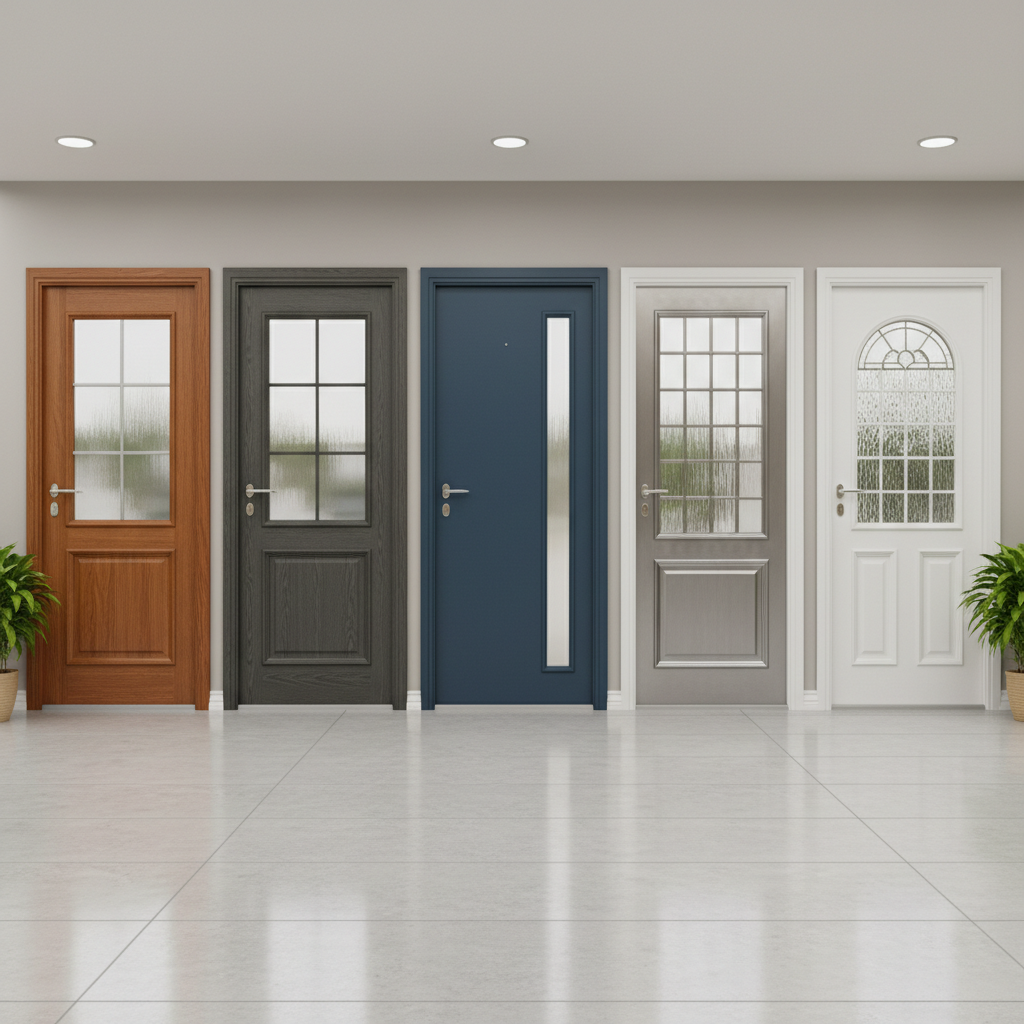
When selecting the perfect house doors, the choice of material plays a crucial role in achieving durability, aesthetics, and ease of maintenance. The top five materials commonly utilized for house doors include wood, fiberglass, steel, aluminum, and vinyl. According to the National Association of Home Builders, over 45% of new homes use fiberglass doors, renowned for their high energy efficiency and resistance to warping.
Wood doors, while offering timeless beauty and customization options, require regular maintenance. A survey by Woodworking Network revealed that homeowners spend an average of $500 annually on upkeep for wooden doors, which can be a significant factor for those who prefer low-maintenance solutions. In contrast, steel doors are praised for their strength, boasting a lifespan of over 30 years when properly maintained, making them an ideal choice for security-oriented individuals.
Tip: When choosing your door material, consider the climate in your area. For humid regions, fiberglass and steel may offer better durability compared to wood.
Additionally, aesthetic appeal should not be overlooked. Aluminum doors provide a sleek, modern look and can be easily painted to match your home's interior. They are also resistant to rust, making them a practical choice for coastal environments exposed to salt air.
Tip: Explore customization options to enhance visual appeal, as many materials now come in a variety of finishes and designs to suit any home style.
When selecting the perfect house doors, understanding the energy efficiency ratings can significantly influence your choices. Energy-efficient doors not only help reduce your utility bills but also contribute to a more sustainable environment. According to the U.S. Department of Energy, doors account for up to 10% of a home's energy loss, which emphasizes the importance of choosing doors with high energy performance ratings such as ENERGY STAR certification.
When selecting doors, consider looking for materials like fiberglass or steel with insulated cores, which can drastically decrease heat transfer. Tips for evaluating energy efficiency include checking the U-factor and solar heat gain coefficient (SHGC); lower values in these categories generally indicate better insulation properties. Research by the National Association of Realtors suggests that homes with energy-efficient features like high-performance doors can sell for up to 10% more than their conventional counterparts.
Additionally, be aware of your local climate. In colder regions, opt for doors with a lower U-factor to enhance insulation, while in warmer climates, prioritize those with a lower SHGC to reduce cooling costs. Ultimately, investing in energy-efficient doors not only benefits your home’s style and functionality but also enhances its overall value and environmental impact.
When selecting house doors, it's crucial to consider the security features that will ensure the safety of your home. The global market for smart locks is projected to grow significantly, with a forecast value of $4.1 billion in 2025, escalating to $100.2 billion by 2033, reflecting a compound annual growth rate of 12.9%. This trend emphasizes the rising importance of advanced security systems in residential properties. Opting for doors equipped with smart locks not only enhances security but also adds modern convenience for homeowners.
In addition to smart locks, understanding the impact of various door materials and construction is essential for comprehensive home safety. Doors made from robust materials, combined with enhanced locking systems, contribute significantly to overall home security. The garage door opening system market, expected to reach $1.27 billion in 2024 and potentially $1.75 billion by 2033, showcases the growing demand for secure access to all entry points of a home.
**Tips for Choosing Secure Doors:**
- Look for doors that feature reinforced frames and high-quality locking systems to deter unauthorized access.
- Consider integrating smart locks that offer remote access and monitoring capabilities to enhance security further.
- Regularly inspect and maintain your door hardware to ensure optimal performance and safety.
When budgeting for house doors, it’s crucial to consider not only the initial purchase price but also installation costs and the long-term value they provide. According to industry reports, the average cost of exterior doors can range from $500 to $2,500, depending on materials and style. Further, installation fees can add an additional $300 to $1,000. Understanding these expenses early in the renovation process can significantly impact your overall budget.
In addition to upfront costs, think about how your choice of doors can enhance your home’s value. High-quality doors, especially those that improve energy efficiency, can lead to a return on investment of up to 70% when selling your home. Just like investing in energy-efficient windows or solar panels, selecting the right doors can also contribute to lower energy bills—something prospective buyers often prioritize. Therefore, carefully evaluating both the initial costs and the long-term benefits will steer you toward making a financially sound choice for your home.
*$250 Off/Window $500 Off/Door. Minimum of 4 Windows. Max savings not to exceed $2,500. Must present coupon at time of estimate. Some restrictions apply. Cannot be combined with any other offers. Call or see the website for details. www.mpwindowsanddoors.com. Offer Expires 9/30/25. CSLB# 778326. 100% Employee Owned.
Contractor's License CSLB #778326.

© 2000 - 2025 American Vision Windows