How to Choose the Best Home Doors for Your Needs?
Choosing the right home doors is essential for any homeowner. The doors you select impact your home's aesthetics, security, and energy efficiency. There are countless options available, and navigating through them can be overwhelming. You want home doors that reflect your style while also meeting practical needs.
Understanding your requirements is the first step. Consider the climate where you live. Do you need insulation? Is security a major concern? Different materials offer various benefits. For instance, fiberglass doors are durable and energy-efficient, while wooden doors provide a classic touch.
Think about the functionality as well. Some doors are designed for high traffic, while others serve as elegant entrances. This choice must align with your lifestyle. Home doors should not only look good but also serve their purpose effectively. Reflecting on these factors will help you make an informed decision.
Understanding Different Types of Home Doors: Materials and Styles
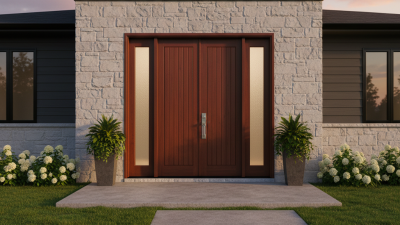
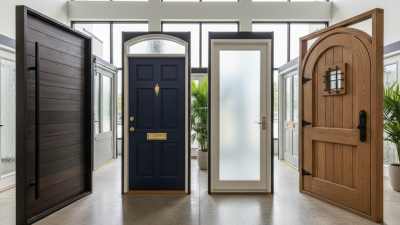
When selecting home doors, understanding materials and styles is vital. Different materials offer varying benefits. Wood doors exude elegance and warmth but require regular maintenance. Steel doors provide security and durability with minimal upkeep. Fiberglass doors can mimic wood’s beauty while resisting the elements. Each material has its unique pros and cons that homeowners should weigh based on their needs.
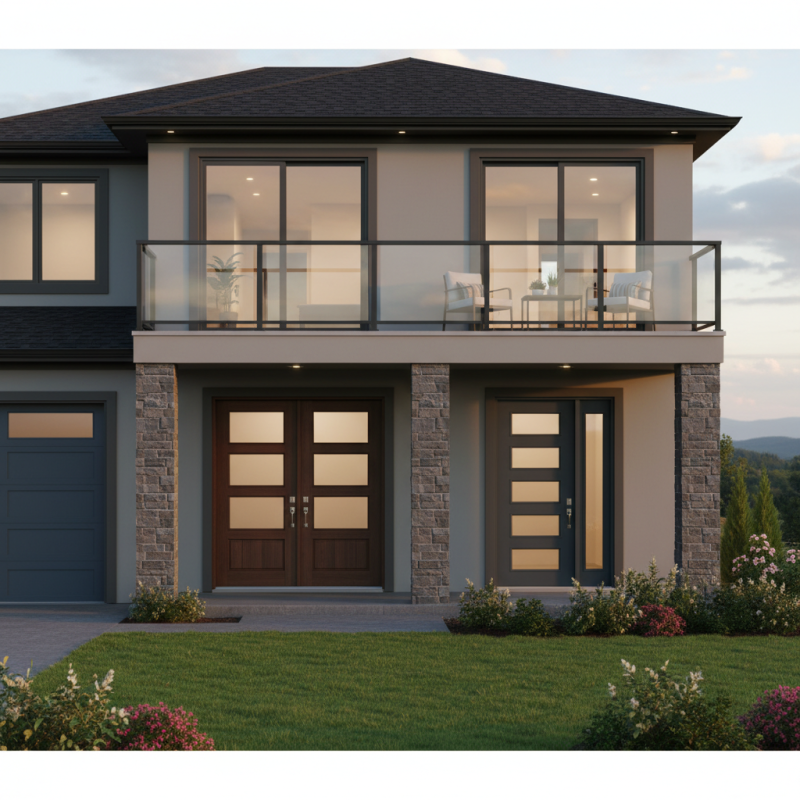
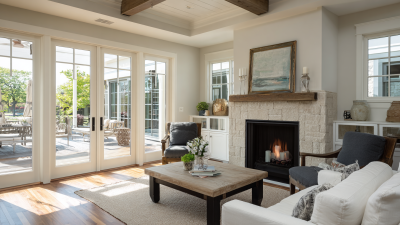
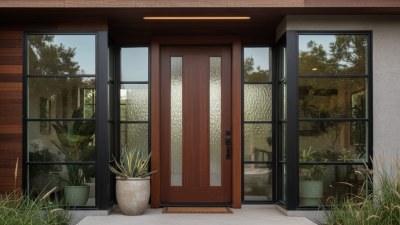
Styles also play a significant role. Traditional doors, with their classic designs, suit older homes. Contemporary styles emphasize clean lines and minimalism. Sliding doors create an open feel, making spaces feel larger. French doors bring in natural light and provide a charming entry. Reflect on your home’s architecture. A mismatched style can disrupt your home’s aesthetic.
While trends can be appealing, they may not fit every home. It's essential to consider practicality over fads. Think about your lifestyle. High-traffic areas may need durable options, while decorative doors can enhance entranceways. Each choice directly impacts your home’s functionality and appearance. Take the time to evaluate.
Types of Home Doors and Their Popularity
Evaluating Energy Efficiency Ratings for Exterior and Interior Doors
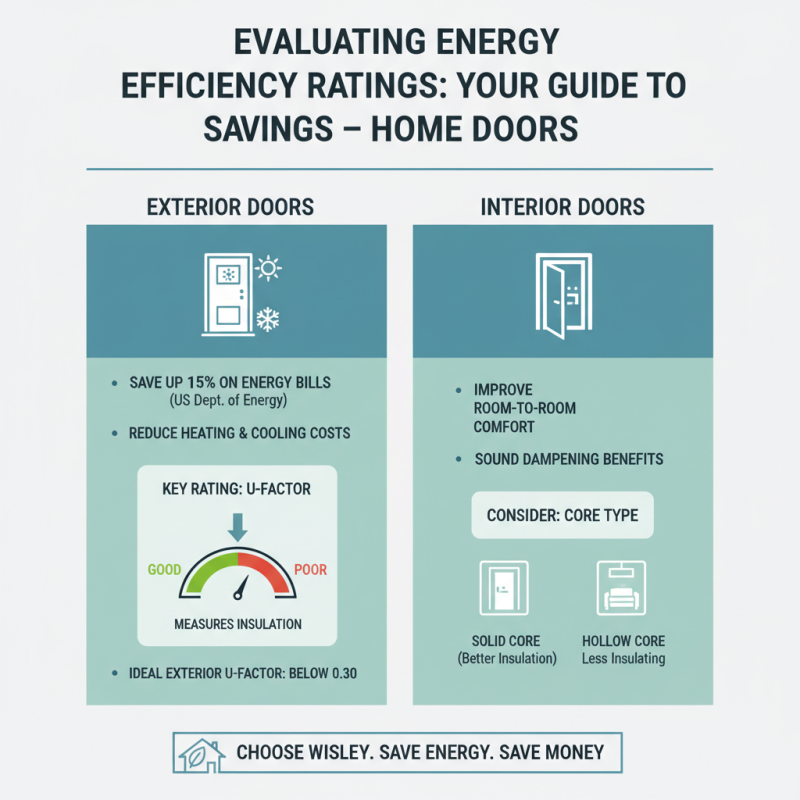
When selecting home doors, evaluating energy efficiency is crucial. Energy-efficient doors reduce heating and cooling costs. According to the U.S. Department of Energy, homeowners can save up to 15% on energy bills with well-insulated doors. Look for doors with a low U-factor. This rating measures the door's insulation ability. A U-factor below 0.30 is ideal for exterior doors.
Consider materials as well. Fiberglass doors often outperform steel and wood in energy efficiency. They provide excellent insulation and resist heat loss. According to the National Association of Home Builders, doors crafted with foam cores tend to deliver higher energy efficiency due to better thermal resistance.
Aesthetics also matter, yet energy ratings shouldn't be overlooked. A door that complements your home should not compromise on energy savings. Insulated glass options enhance energy efficiency while providing natural light. However, some homeowners prioritize style over energy efficiency. This can lead to higher costs in the long term. Balancing beauty and functionality will ensure you make a wise investment in your home.
Assessing Security Features in Home Door Selection
When selecting home doors, security features should be a priority. A robust door can deter intruders and protect your family. Look for solid core materials, which resist force better than hollow doors. Steel or fiberglass might offer additional strength compared to wood. Consider doors with multi-point locking systems; they provide enhanced security over traditional single locks.
Tips: Always check the warranty on your doors. This can indicate the manufacturer's confidence in their security features. Invest in good quality locks as they play a critical role in door security. Deadbolts should be a must-have, especially for external doors. Reinforce door frames for extra protection.
Many people underestimate the importance of a well-lit entryway. Outdoor lighting can serve as a deterrent. If you live in a high-risk area, an alarm system integrated with your door can be beneficial. Remember, security isn't just about the door itself. Evaluate the surroundings too. Sometimes, the best door is only as secure as its environment.
How to Choose the Best Home Doors for Your Needs? - Assessing Security Features in Home Door Selection
| Door Type |
Material |
Security Features |
Average Cost ($) |
Durability (Years) |
| Fiberglass Door |
Fiberglass |
Multi-point locking system, impact resistance |
800 |
30 |
| Steel Door |
Steel |
Reinforced frame, anti-pick locks |
600 |
20 |
| Wood Door |
Solid Wood |
Deadbolt lock, decorative security grille |
700 |
15 |
| Composite Door |
Composite materials |
Enhanced security core, double cylinder locks |
900 |
25 |
Cost Analysis: Budgeting for High-Quality Home Doors
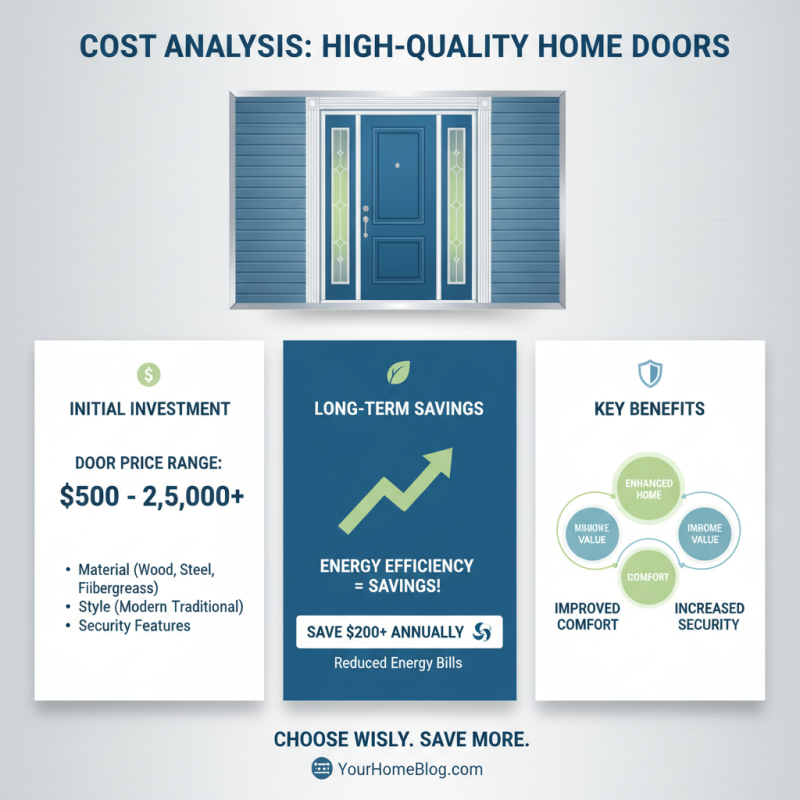
Choosing the right home doors involves a thorough cost analysis. When budgeting, consider that high-quality doors typically range between $500 and $2,500. This range varies based on material, style, and security features. A well-designed door can enhance energy efficiency, potentially saving homeowners $200 or more annually on energy bills.
Investing in robust materials pays off in the long run. For instance, fiberglass doors are about 23% more energy-efficient compared to wooden ones, according to a National Association of Home Builders report. However, not all homeowners prioritize this feature. Many may overlook the long-term savings for immediate costs. While custom doors may offer unique aesthetics, they often require a larger initial investment.
Don't underestimate installation costs, which can be around $300 to $1,000. Some homeowners may attempt DIY installation to save money, but this can lead to mistakes. Errors can result in costly repairs or reduced door effectiveness. Therefore, it’s essential to balance upfront costs with future benefits. Planning your budget carefully ensures that your investment meets both aesthetic and functional needs.
Maintenance Requirements and Lifespan of Various Door Types
When selecting home doors, understanding maintenance and lifespan is crucial. Different door types vary significantly in both areas.
Solid wood doors offer beauty and warmth but require regular sealing to prevent moisture damage.
If neglected, they could warp or rot over time.
Fiberglass doors are more resilient but still need occasional cleaning to maintain their appearance.
Metal doors usually demand little upkeep. A simple wipe down occasionally will keep them looking fresh.
They are sturdy, lasting many years if properly cared for.
However, watch for rust, especially in humid climates. Regular inspections can prevent small issues from escalating.
Tip: For wood doors, consider using protective coatings to extend lifespan.
For metal doors, apply rust-resistant paint. Look closely at hinges and seals, too. Ensuring these parts function smoothly helps prevent wear and tear.
Evaluate your home environment when choosing door materials. Each choice has unique maintenance needs, impacting long-term satisfaction.