

What Is the Best Type of Gas Grill to Buy? Switch to ADA Accessible Theme My windows protect me from: Triple digit heat and Disruptive noise.
Close Menu

Blog

What Is the Best Type of Gas Grill to Buy?

Choosing the best Gas Grill is less about chasing the biggest flame and more about matching the grill to your cooking habits. A compact two-burner model may suit a balcony or small patio. A larger four-burner grill offers separate heat zones for burgers, vegetables, and slow-roasted chicken. Your available space matters. So does your patience.

Steven Raichlen, an award-winning barbecue authority, describes the grill as “the new hearth.” That idea is useful here. A Gas Grill should fit naturally into your outdoor routine, not become an expensive object that gathers dust. In practical testing, look for sturdy lid hinges, even burner performance, and grates that hold steady heat. Stainless steel can resist weather, but its quality varies widely. Cast-iron grates sear beautifully, yet they demand regular oiling. Convenience always has a trade-off.

I once assumed higher BTU ratings meant better grilling. That was an incomplete judgment. Heat distribution, burner control, and lid insulation often matter more. A useful comparison should examine cooking space, temperature range, ignition reliability, grease management, cleaning effort, warranty coverage, and replacement-part availability. These details appear after the first meal, usually when the wind rises or grease reaches the firebox.

There is no universal winner. The right choice depends on your meals, climate, budget, and willingness to maintain equipment. This guide compares the main Gas Grill types carefully, while leaving room for one uncomfortable truth: even an excellent grill cannot repair careless heat control.
What Is the Best Type of Gas Grill to Buy?

Gas Grill Types and How They Differ

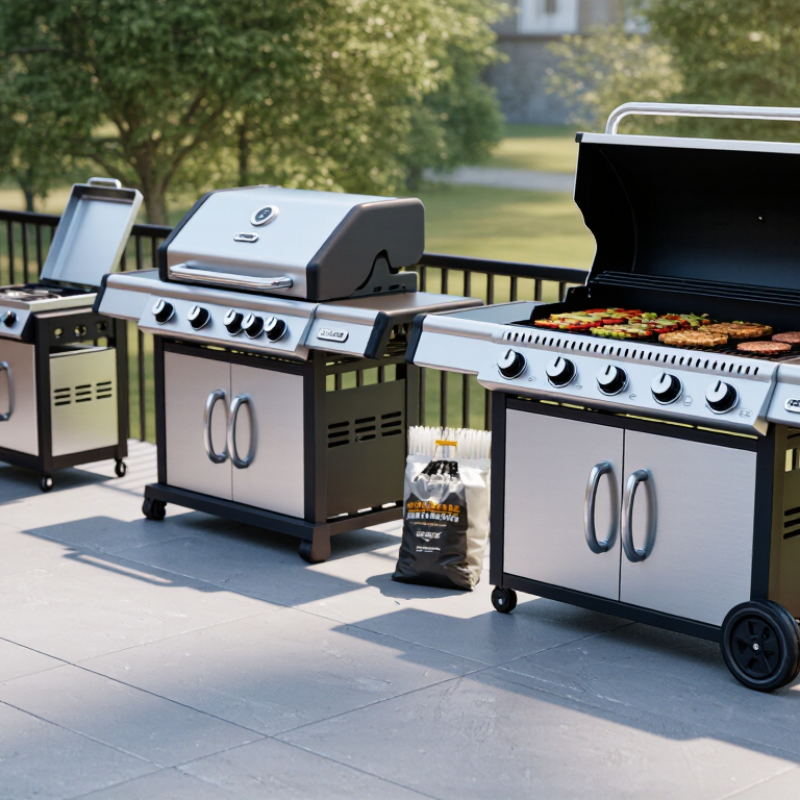
Choosing the best gas grill starts with understanding its type. Freestanding grills suit most patios because they include a cart, storage, and flexible placement. They usually run on liquid propane, although some models connect to a natural gas line. Built-in grills create a clean outdoor kitchen appearance. However, installation requires a stable counter, proper ventilation, and a professionally checked gas connection.

Portable Gas Grills work well for balconies, tailgating, or small households. Their cooking surfaces are smaller, so crowded food can cook unevenly. Infrared gas grills produce intense, direct heat and sear meat quickly. They may also demand closer attention because food can burn within minutes. In my experience, a larger burner layout offers better control than impressive maximum heat. I have also underestimated warm-up time on compact grills. That mistake changed how I compare specifications.

Tips: Measure your space before shopping. Check fuel availability and hose length. Look for separate burner controls, a sturdy lid, and removable grease parts. A built-in thermometer helps, but it should not replace checking food with a reliable thermometer. For frequent cooking, choose durable grates and accessible replacement parts. For occasional use, a simple freestanding model may provide better value. Keep the grill outdoors, away from walls and overhead materials, and inspect connections for damage before lighting. Small details matter.

Key Features to Compare Before Buying

Choosing the best gas grill starts with comparing features, not chasing the highest price. Cooking area matters, but heat control matters more. Look for independently adjustable burners, sturdy control knobs, and a lid thermometer that responds quickly. A two-burner model suits small households, while three or four burners support indirect cooking and larger meals. However, more burners can mean more cleaning and higher fuel use.

Build quality deserves close inspection. Stainless steel cooking grates resist rust, while cast iron holds heat well but needs regular seasoning. Check the burner material, grease-tray design, wheel stability, and replacement-part availability. The U.S. Consumer Product Safety Commission reports thousands of grill-related injuries annually, so stable construction and an accessible shutoff valve are practical safety features. A flimsy cart is not a minor annoyance.

Fuel efficiency is easy to overlook. The U.S. Department of Energy lists propane at about 91,500 British thermal units per gallon, but burner output alone does not prove efficiency. Look for even heat across the grate. The National Fire Protection Association recorded an estimated 11,421 home grill fires annually from 2017 to 2021. That figure makes flame control, safe spacing, and a reliable ignition system essential. I have found that side burners and smart displays sound useful, yet they often receive less attention than simple cleaning access. A grill that is difficult to maintain may become expensive, regardless of its specifications.

Choosing the Right Grill for Your Cooking Style

What Is the Best Type of Gas Grill to Buy?

Choosing the Right Grill for Your Cooking Style

The best gas grill depends on how you cook, not how impressive it looks. The 2024 Hearth, Patio & Barbecue Association consumer report found that 80% of U.S. households own a grill or outdoor cooking appliance. Gas remains a leading choice because it heats quickly and offers simple temperature control.

Gas is convenient. For weekday meals, choose a compact model with reliable ignition, two burners, and a useful side shelf. It suits burgers, vegetables, and thin chicken pieces without wasting fuel.

Frequent entertainers need more cooking space and separate heat zones. Two-zone cooking lets you sear steaks over high heat while warming bread indirectly. Look for sturdy grates, an accurate lid thermometer, and burners that adjust smoothly.

The U.S. Department of Agriculture recommends 165°F for poultry and 160°F for ground meats.

A dependable thermometer matters more than a decorative temperature gauge.

I once underestimated how quickly a small grill loses heat after opening the lid. That mistake changed my preference for insulated lids and stronger heat recovery.

Low-and-slow cooks should consider a grill with stable low-temperature control. However, gas grills may require careful burner adjustment during long sessions.

A built-in cabinet can protect the cylinder and tools, but it may reduce ventilation if poorly designed. Check the manual and local safety requirements.

A larger grill is not automatically better. Extra space can encourage uneven heating and unnecessary cleaning. A practical test is simple: place your usual pan, turn the burners down, and see whether the grill still feels manageable.

Fuel, Size, Materials, and Maintenance Considerations

What Is the Best Type of Gas Grill to Buy?

Fuel, Size, Materials, and Maintenance Considerations

Fuel The best fuel depends on your cooking habits and outdoor setup. Propane starts quickly and suits occasional grilling. Natural gas offers steady supply but requires a permanent connection. I prefer propane for flexibility, especially when moving the grill between storage and the patio. Check the hose, regulator, and connections before every season. A faint gas smell deserves immediate attention.

Size Size should match your real cooking routine, not an imagined weekend party. A compact grill suits two people and heats more efficiently. Larger models need more fuel and cleaning time. Measure your patio carefully, including space for the lid to open. I once chose a grill that fit the footprint but blocked a walkway. That mistake was avoidable.

Materials and Maintenance Materials affect heat retention and long-term repairs. Stainless steel resists rust, but its quality varies. Thick cooking grates hold heat better than lightweight ones. Coated steel can perform well when its finish remains intact. Inspect burner tubes, grease trays, and hinges because these parts often fail first. Maintenance remains essential. Brush the grates after cooking, empty the grease tray when cool, and keep vents clear. Use mild soap on exterior surfaces, then dry them thoroughly. A weather cover helps, but trapped moisture can cause corrosion. If a leak test produces bubbles, shut off the supply and seek qualified service. Small shortcuts become expensive problems.

How to Select the Best Gas Grill for Your Budget

What Is the Best Type of Gas Grill to Buy?

How to Select the Best Gas Grill for Your Budget

A sensible gas grill should match your cooking habits, outdoor space, and total budget. A compact two-burner model often suits a small household and costs less to operate. Larger families may need three or four burners for separate heat zones. More burners are not automatically better. They can also increase fuel use and cleaning time.

Look beyond the advertised heat output. Even heating, sturdy grates, and accurate controls matter more during daily cooking. Cast-iron grates retain heat well, while stainless steel grates usually clean more easily. Check the lid hinge, grease tray, and frame for loose parts. These details reveal construction quality. A grill that feels stable on a patio is worth considering.

Leave room in your budget for a cover, fuel connection, tools, and replacement parts. A low purchase price can become expensive after weak burners fail. Warranties vary, so read their coverage carefully. Some exclude corrosion or labor costs. I would not choose a grill based only on shiny metal or impressive numbers. In real use, simple controls often prove more useful than extra features. My own preference would be a modest grill with dependable heat, but that choice can feel limiting during a large gathering. Measure your cooking area before buying. Also confirm safe clearance from walls, railings, and overhead materials.

*$250 Off/Window $500 Off/Door. Minimum of 4 Windows. Max savings not to exceed $2,500. Must present coupon at time of estimate. Some restrictions apply. Cannot be combined with any other offers. Call or see the website for details. www.mpwindowsanddoors.com. Offer Expires 9/30/25. CSLB# 778326. 100% Employee Owned.

Contractor's License CSLB #778326.