What is the Best Type of Home Glass Windows for Energy Efficiency?
Energy efficiency in homes is increasingly important for both cost savings and environmental impact. Choosing the right type of home glass windows plays a significant role in enhancing energy performance. Renowned energy consultant Dr. Emily Larson emphasizes, “The right glass can reduce your energy bill by up to 30%.” Her insight highlights how critical windows are in achieving energy-efficient homes.
Home glass windows come in various types, including double glazing, low-E coatings, and insulated frames. Each option has unique benefits and challenges. Double-glazed windows provide excellent insulation, but they may be more expensive upfront. On the other hand, low-E coatings reflect heat, optimizing energy savings. Homeowners must weigh these factors, considering both their budget and long-term benefits.
However, many overlook the importance of window placement and orientation. Proper design can further enhance energy efficiency. Small choices can lead to significant impacts, yet often get ignored. Balancing aesthetics with practicality can also be difficult. It’s worth contemplating how the selection of home glass windows contributes to overall comfort and energy efficiency. Careful consideration is essential for making the best choice.
Types of Glass Used in Energy-Efficient Windows
When considering energy-efficient windows, the type of glass used is crucial. Low-emissivity (Low-E) glass is a common option. It features a thin coating that reflects heat back into the home. This glass can reduce heat loss by up to 30% to 50%, according to the Department of Energy. It helps homes maintain comfortable temperatures, regardless of the season.
Another popular choice is insulated glass. This type consists of two or more panes with a space filled with gas, like argon. The gas acts as an insulator, helping to improve thermal performance. Studies show that insulated glass can reduce energy costs by 10% to 20% compared to single-pane windows. Homeowners often overlook the importance of spacers in these windows. They also contribute to energy efficiency by reducing heat transfer.
The use of triple-pane glass is gaining traction as well. It offers even more insulation than double-pane options. However, the added weight can be challenging. Installers sometimes report issues with proper sealing and alignment. These factors must be considered when choosing windows. Overall, understanding the various types of glass can significantly influence energy savings and comfort in a home.
Benefits of Double and Triple Glazing for Home Windows
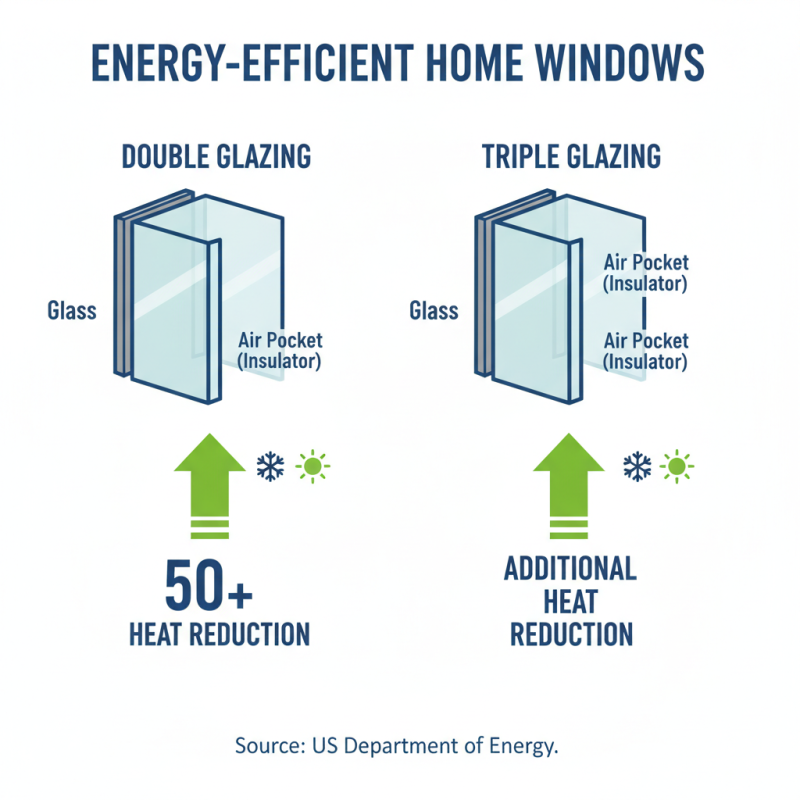
When considering energy-efficient home windows, double and triple glazing come to the forefront. Double glazing consists of two panes of glass, while triple glazing features three. These designs create air pockets that act as insulators, minimizing heat loss. According to the U.S. Department of Energy, double-glazed windows can reduce heat transfer by over 50%. Triple glazing may offer an additional reduction, making homes warmer in winter and cooler in summer.
Benefits extend beyond basic insulation. Homes with double or triple glazing often experience reduced noise pollution. The additional glass layers block sound waves effectively. For instance, a study reported that double glazing can lower outdoor noise by up to 30 decibels. This advantage may be crucial for homes in busy urban areas.
**Tip:** Consider the climate in your area. In colder regions, opt for triple glazing for maximum insulation. Conversely, double glazing may suffice for milder climates. Assess your window placement too. Well-placed energy-efficient windows can further enhance savings. Reflection and shading impact energy use, so position windows wisely to improve performance.
Understanding Low-E Coatings and Their Impact on Efficiency
Low-emissivity (Low-E) coatings play a crucial role in enhancing the energy efficiency of home glass windows. These coatings reflect infrared radiation while allowing visible light to pass through. According to the U.S. Department of Energy, windows with Low-E coatings can improve energy efficiency by up to 30-50%. This reduction in energy consumption translates to lower heating and cooling costs for homeowners.
However, it's essential to understand that not all Low-E coatings are created equal. Some coatings perform better in specific climates. For example, a coating optimized for cooler climates may hinder performance in warmer regions. This variability can result in unexpected results and may require further adjustments. Homeowners should evaluate their local climate and energy needs before choosing a Low-E option.
Tips: Choose the right Low-E coating based on your climate. Consult with professionals before making decisions. Additionally, remember that while Low-E coatings enhance performance, they may also alter the appearance of your windows. Therefore, balancing aesthetics and efficiency is key to making the best choice.
What is the Best Type of Home Glass Windows for Energy Efficiency?
| Window Type |
Low-E Coating |
U-Value (W/m²K) |
Solar Heat Gain Coefficient (SHGC) |
Visibility Light Transmittance |
Energy Star Rating |
| Double Pane Insulated |
Soft Coat Low-E |
1.2 |
0.30 |
0.70 |
Yes |
| Triple Pane Insulated |
Hard Coat Low-E |
0.9 |
0.25 |
0.65 |
Yes |
| Double Pane Low-E |
Low-E with Argon Gas |
1.0 |
0.32 |
0.68 |
Yes |
| Specialty Windows |
Low-E with Spectrally Selective Coating |
1.1 |
0.28 |
0.75 |
Yes |
Insulating Gas Fill Options for Enhanced Window Performance
When choosing glass windows for energy efficiency, insulating gas fills play a crucial role. These gas fills, such as argon or krypton, enhance thermal performance. They reduce heat transfer between indoors and outdoors. Windows with gas fills are often more effective than air-filled versions. Homeowners seeking comfort should consider these options.
Tips: Check the window label for gas type. Look for options with a higher fill percentage. This can significantly improve insulation.
Another aspect to consider is the space between the glass panes. A narrower gap can reduce the effectiveness of the gas fill. Aim for a distance that balances thermal performance and cost. Some manufacturers might skimp on spacing, so research is vital. Not all windows offer the best possible configurations.
Tips: Measure the gap before purchasing. Even slight differences can affect performance. Don’t rush into decisions. Taking time to evaluate options can save energy costs in the long run.
Comparing Frame Materials for Optimal Energy Efficiency
When choosing windows for energy efficiency, frame materials play a crucial role. The most common options are vinyl, wood, aluminum, and fiberglass. Each material has unique characteristics that contribute to energy performance.
Vinyl frames are popular due to their affordability and good insulation properties. They don't conduct heat, which helps reduce energy loss. However, they can warp in extreme temperatures. Wood, on the other hand, offers excellent insulation but requires regular maintenance. Without proper care, wood frames can rot, minimizing their energy efficiency over time.
Aluminum frames are sleek and strong. However, they conduct heat, making them less efficient unless they feature thermal breaks. Fiberglass windows are often touted as the best for energy efficiency. They have low thermal conductivity and expand at a similar rate as glass. Yet, they can be more expensive, and their availability may be limited. Selecting the right frame demands careful consideration of these trade-offs, as your choice impacts energy costs and comfort in the long run.