Best Door Awning Solutions for Global Buyers in 2026?
In the evolving landscape of home improvement, "Door Awning" solutions have become increasingly popular. As we look toward 2026, various innovative options are emerging, appealing to global buyers. Choosing the right door awning is crucial for enhancing curb appeal while providing practical benefits, such as weather protection.
Consumers now demand awnings that combine aesthetics with durability. Many are searching for eco-friendly materials and versatile designs. The market offers countless choices, but finding the perfect fit can be overwhelming. Some buyers experience confusion due to the myriad of options available. It’s essential to consider the style of your home and the specific needs, like climate conditions and installation ease.
Quality is imperative when investing in door awnings. Some brands claim durability but fail to deliver. Reviews and expert opinions can guide buyers toward trusted manufacturers. Reflecting on past mistakes can lead to better decisions in the future. Prioritizing quality can significantly enhance satisfaction with your purchase.
Exploring the Benefits of Door Awnings for Homeowners
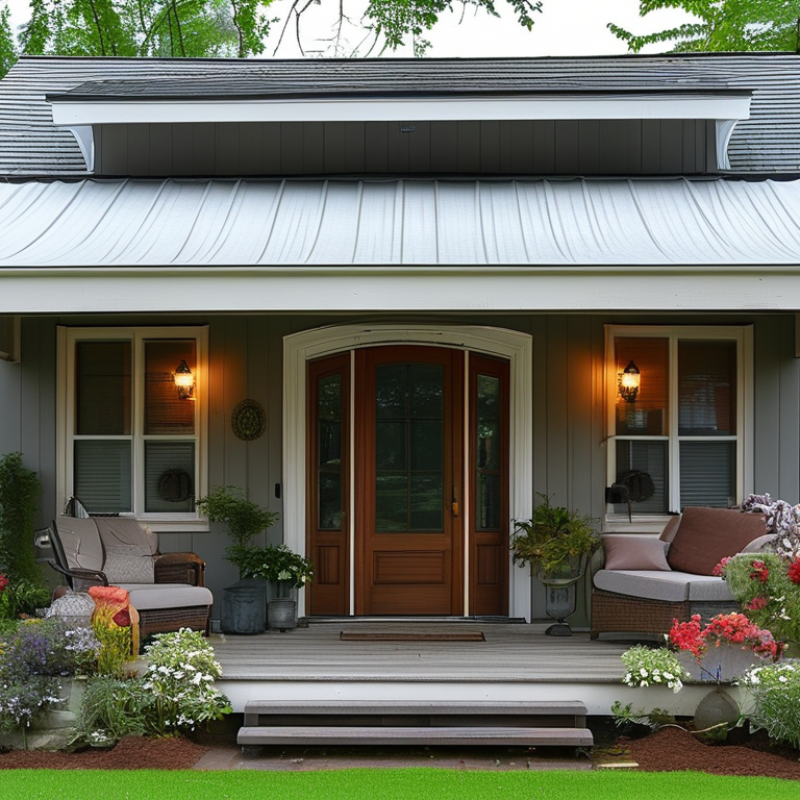
Door awnings are a practical addition for many homeowners. They offer protection from the elements, enhancing the entryway's functionality and aesthetic appeal. According to recent industry reports, door awnings can reduce energy costs by up to 20%. This statistic highlights their potential in energy efficiency, particularly concerning heating and cooling needs.
When homeowners install a door awning, they also enhance their home’s curb appeal. A well-designed awning can complement architectural styles and improve first impressions. Homeowners can choose from a variety of materials, including aluminum, fabric, and wood, each offering unique benefits. For instance, fabric awnings are not only visually appealing but also lightweight and customizable.
Tips: Consider the climate in your area when selecting an awning. Materials must withstand local weather conditions. Additionally, assess the size of your entrance for proper fit. An oversized awning may overpower a small space.
While there are many benefits, it’s crucial to approach installation thoughtfully. Poorly installed awnings can lead to maintenance issues. Ensure your awning is correctly anchored to avoid damage during harsh weather. It's beneficial to seek professional guidance if you're unsure about installation processes.
Top Materials Used in Door Awning Manufacturing for 2026
When it comes to door awning manufacturing, selecting the right materials is crucial. According to recent industry reports, polycarbonate and acrylic materials lead the market in 2026. These materials demonstrate exceptional durability and UV resistance. They can withstand harsh weather, providing reliable protection. Additionally, their lightweight nature makes installation easier and more cost-effective.
Metal awnings, particularly those made from aluminum, are also gaining traction. This material is highly robust and requires minimal maintenance. Studies show that aluminum can last for over 30 years with proper care. Its versatility allows for various designs, meeting a wide range of aesthetic preferences for homeowners. However, some buyers may overlook the potential issue of rust in coastal areas, which requires regular maintenance.
Fabric awnings, often made from polyester or cotton blends, are another popular choice. Their vibrant colors and patterns add aesthetic appeal to any entryway. However, they may need replacement every few years, depending on the weather exposure. Buyers must weigh durability against design when making their choices. Understanding these materials' strengths and weaknesses will help buyers make informed decisions in 2026.
Best Door Awning Solutions for Global Buyers in 2026
This chart represents the popularity of different materials used in door awning manufacturing for the year 2026. The data reflects global market trends and customer preferences.
Innovative Design Trends in Door Awnings for Global Markets
As we look toward 2026, the door awning market is evolving rapidly. Innovative designs are emerging, focusing on functionality and aesthetics. Sustainable materials are becoming a staple, addressing environmental concerns. Homeowners and businesses alike seek durable options that blend seamlessly with their architecture.
Incorporating smart technology is another exciting trend. Awnings equipped with sensors can detect weather conditions. They can retract automatically during heavy rain or strong winds, ensuring protection without manual intervention. However, this trend raises questions about reliability and maintenance. How frequently will these systems require updates?
Color and style choices are diversifying too. Consumers are leaning towards personalized designs that reflect their unique tastes. Yet, with such variety comes the challenge of decision fatigue. Buyers may struggle to find the perfect balance between trendiness and practicality. These evolving preferences highlight the importance of adaptability in design, helping manufacturers stay relevant in a competitive market.
How Climate Influences Door Awning Choices Worldwide
Climate plays a crucial role in shaping door awning choices around the world. In regions with heavy rainfall, buyers often prefer awnings made from durable, waterproof materials. These awnings not only shield doorways from the rain but also help in reducing indoor humidity. The design should ensure effective drainage to prevent water pooling.
Conversely, areas with intense sunlight require awnings that block UV rays effectively. Light-colored fabrics are popular as they reflect sunlight, keeping entryways cooler. Additionally, buyers might gravitate toward retractable designs for flexibility, allowing them to adapt to changing weather conditions. It's fascinating to see how culture influences these decisions.
However, some buyers overlook key factors. Not all materials withstand extreme weather or last long-term. Also, practical installation can be a challenge, especially for DIY enthusiasts. Buyers should reflect on their local climate and long-term needs when selecting an awning. Balancing aesthetics and functionality can take time. Yet, it’s essential for finding a solution that truly fits their lifestyle.
Key Considerations for Installing Door Awnings in Various Regions
Choosing the right door awning involves understanding regional climates and aesthetic preferences. In sunny areas, lighter materials reflect heat and UV rays. In contrast, heavier, more durable designs are essential for regions with strong winds and heavy snow. Consider the local weather patterns before making a decision.
Installation precision matters. Proper alignment can prevent water pooling, which may lead to damage. Local building codes often dictate size and placement. Neglecting these regulations can result in costly adjustments. It's crucial to consult with local experts for insights and compliance.
Awnings can enhance curb appeal but must be chosen carefully. A mismatch can detract from the overall look of a home. Personal style and regional trends should guide selections. Homeowners often overlook maintenance needs as well. Regular upkeep ensures awnings remain functional and attractive over time.
Best Door Awning Solutions for Global Buyers in 2026? - Key Considerations for Installing Door Awnings in Various Regions
| Region | Climate Considerations | Materials Recommended | Average Cost (USD) | Installation Complexity |
| North America | Varied, moderate to cold | Aluminum, vinyl | 200 - 600 | Medium |
| Europe | Mild to temperate | Wood, canvas | 150 - 500 | Easy to Medium |
| Asia | Tropical to arid | Fiberglass, polycarbonate | 100 - 400 | Medium |
| Australia | Dry to coastal | Aluminum, metal | 250 - 700 | Hard |
| South America | Humid to dry | Tent fabric, steel | 120 - 450 | Easy |