Bay Windows Tips for Choosing the Best Design for Your Home?
Bay windows are a stunning architectural feature that can transform any space in your home. Their unique design creates a sense of openness and allows natural light to flood in. When you consider adding bay windows, it's essential to choose the right design to match your home's style. Various factors influence your decision, including size, shape, and material.
Take time to explore different options. A well-designed bay window can enhance your home's curb appeal while providing a cozy nook for relaxation. However, making the wrong choice can lead to mismatched aesthetics or even structural issues. It's crucial to consult with professionals who are experienced in window design. Their expertise can guide you in creating a solution that is both functional and visually appealing.
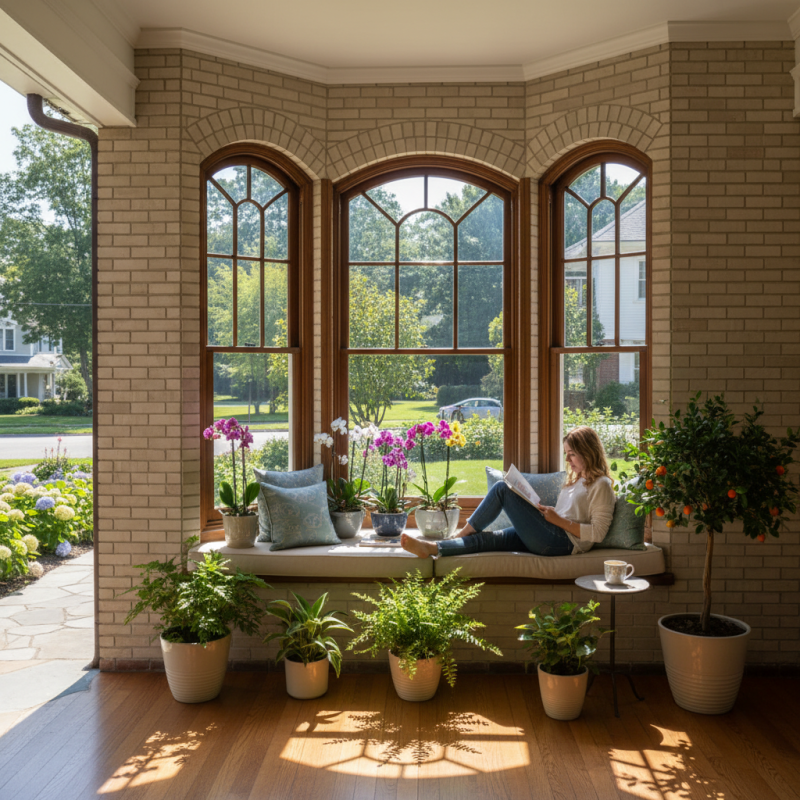
Reflect on your needs and lifestyle. Will you use this space for reading, plants, or as additional seating? These considerations will guide your design process. Remember, the goal is not only beauty but also practicality. A thoughtfully chosen bay window can bring joy to your home and become a cherished part of your daily life.
Understanding Bay Windows: Characteristics and Benefits
Bay windows are a popular architectural feature that enhances the aesthetics of any home. They protrude from the main walls, creating a small nook filled with natural light. This design element brings a unique charm to living spaces. However, understanding their characteristics is key to making the right choice for your home.
One of the main benefits of bay windows is their ability to create an illusion of space. They can make smaller rooms feel airy and large. Additionally, these windows often allow for panoramic views of the surrounding environment. Imagine sipping coffee while enjoying a beautiful garden scene. However, maintenance can be tricky. Dust and dirt collect in the corners, requiring regular cleaning.
Another advantage of bay windows is their versatility. They can be designed in various styles to suit your home's architecture. From classic to modern, there's an option for everyone. Yet, some may find the installation process complex. Seeking professional help is essential to avoid costly mistakes. Assessing your home's design carefully can lead to a more harmonious look.
Bay Windows Design Choices
Assessing Your Home's Architectural Style for Bay Window Design
When considering a bay window design, it’s crucial to assess your home's architectural style. Traditional homes typically favor classic bay windows. Craftsman styles benefit from wide, low-set windows that enhance natural light. Contemporary homes can explore sleek, angular designs that align with minimalist aesthetics. According to a report by the National Association of Home Builders, bay windows can increase your home’s value by nearly 20%.
Tips: Look at your rooflines and eave styles. Matching these elements will create a cohesive look. Consider how the window protrusion will affect your interior space. It can create a cozy nook but may also limit wall placement for furniture.
Don’t overlook functionality either; consider energy efficiency. The right bay window can improve heat retention. However, poorly installed windows can lead to drafts and higher energy bills. Reflect on your local climate and how it might impact the design choice. Balancing form and function is key to achieving your home's desired aesthetic and comfort.
Bay Windows Tips for Choosing the Best Design for Your Home
| Design Aspect |
Description |
Recommended Style |
| Size |
Consider the proportion of the bay window in relation to the overall facade |
Large for spacious designs, smaller for compact homes |
| Shape |
The form of the bay window can enhance architectural interest |
Rectangle or polygonal based on the style |
| Material |
Different materials impact aesthetics and maintenance |
Wood for traditional homes, vinyl for modern |
| Trim |
Decorative trim can add character to the window |
Crown molding for elegance, simple for minimalism |
| Functionality |
Determine the main purpose of the bay window |
Seating area, display space, or natural light |
Choosing Materials and Finishes for Bay Windows
When selecting materials and finishes for bay windows, it's essential to consider durability and aesthetic appeal. Research indicates that energy-efficient windows can reduce heating and cooling costs by up to 25%. Vinyl and fiberglass are popular choices due to their low maintenance and high energy efficiency. Wood offers a classic look but may require more upkeep. Choosing a low-VOC paint or finish is advisable to enhance indoor air quality.
Tips: Always assess your local climate. This can impact your choice of materials. In humid areas, moisture-resistant options are crucial. Conversely, regions with harsh winter conditions may benefit from double-glazed windows.
Incorporate textured finishes for added depth. Textures like sandblasted glass can enhance the overall feeling of your space. It's also important to match the interior design of your home. Bay windows can become a focal point. However, mismatched materials may create visual chaos. Remember, your selected finishes should not only serve a purpose but also reflect your personal style.
Maximizing Natural Light and Views with Window Placement
Bay windows are an excellent way to enhance the natural light and views in your home. They can create a unique architectural feature that amplifies your living space. According to a 2022 report by the National Association of Home Builders, homes with ample natural light can increase property value by up to 10%. Understanding window placement is crucial to achieving optimal light and scenery.
For effective window placement, consider how sunlight enters your space at different times of the day. South-facing windows can bring in the most light. However, too much sunlight can lead to overheating in summer. This balance is essential. Research suggests that strategically placed bay windows can reduce energy costs, offering up to 15% savings on heating and cooling bills.
Tip: Assess your surrounding landscape. This helps you maximize views while minimizing privacy concerns. Additionally, opt for materials that complement your home’s aesthetic without compromising functionality. Incorporate shades or treatments to manage light effectively. Always measure your space to avoid unexpected issues during installation. When designing, keep in mind that each choice should reflect both style and practicality.
Incorporating Functional Elements into Bay Window Designs
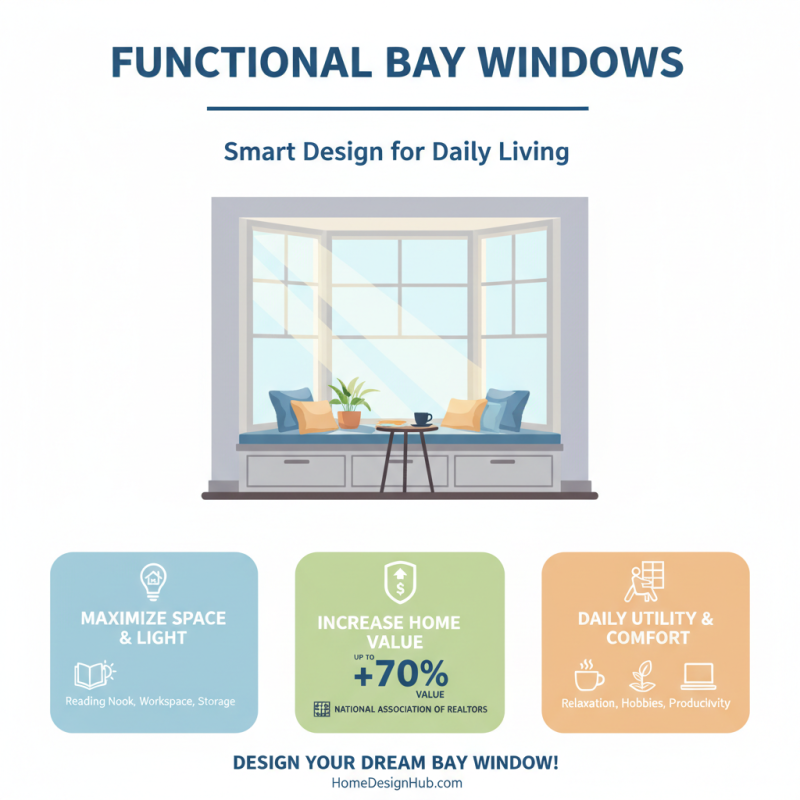
When considering bay windows, functionality is crucial. Proper design can enhance space and light while adding value. According to the National Association of Realtors, well-designed windows can increase home value by up to 70%. Homeowners should focus on how these windows can serve daily needs.
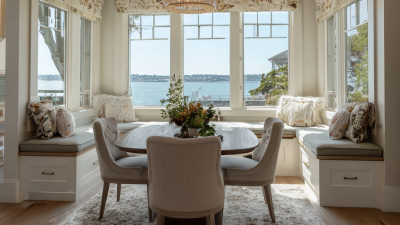
Incorporating functional elements into bay window designs opens up creative opportunities. Consider using built-in seating for storage and comfort. Alternatively, add shelves for plants or books, which can personalize the space. Use window seats for relaxation or home office setups.
Tips for choosing the right design include assessing the layout of your room. Ensure the bay window complements existing elements. Think about the view outside and how it frames natural light. Lastly, explore materials that match your home’s style while being durable and easy to maintain.
Reflecting on your preferences is important too. Functional design should align with aesthetics and practical uses. An ideal bay window should not only look beautiful but also serve its purpose effectively.