2026 Top Trends in Bay Windows for Modern Home Design
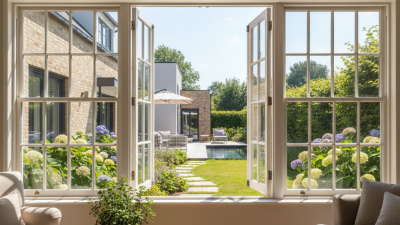
Bay windows have become a defining feature in modern home design. They elevate aesthetics while maximizing natural light. With their unique shape, they create cozy reading nooks or charming spaces for plants.
In 2026, we are witnessing exciting trends around bay windows. More homeowners are choosing larger, more ornate designs. These windows are not just functional; they act as stunning focal points in any room. However, it is essential to reflect on how these designs impact space and energy efficiency. Will larger windows lead to higher heating bills?
Innovative materials and tech for bay windows are emerging. Energy-efficient glass is now common, reducing environmental impact. Still, homeowners must weigh style against these practical concerns. Ultimately, the future of bay windows merges beauty with sustainability, yet thoughtful consideration remains crucial.
Top Architectural Styles Incorporating Bay Windows in 2026
As we look toward 2026, bay windows continue to captivate modern home design. They add depth and character to various architectural styles. Think of cozy cottage homes where a bay window might frame a picturesque garden. Imagine the light flooding in, transforming a simple space into a vibrant room. More homeowners are drawn to these features for their aesthetic appeal and functionality.
In contemporary styles, bay windows work beautifully in minimalist design. Their clean lines complement open spaces. But there’s a challenge: achieving balance. Oversized bay windows can overwhelm a smaller room. Similarly, they must harmonize with the overall structure. Craftsman and Victorian homes also showcase unique bay windows, often featuring intricate details. These windows invite conversation and set a welcoming tone. However, maintaining such features can be daunting. Regular upkeep is essential to prevent wear and tear.
In 2026, the merging of sustainability and bay window design will grow. Eco-friendly materials will enhance their appeal. Yet, crafting the perfect bay window involves careful planning. Will they capture the essence of the home? Or will they become a missed opportunity? Thoughtful design is crucial to ensuring they truly enhance the space.
Innovative Materials for Bay Windows in Modern Home Design
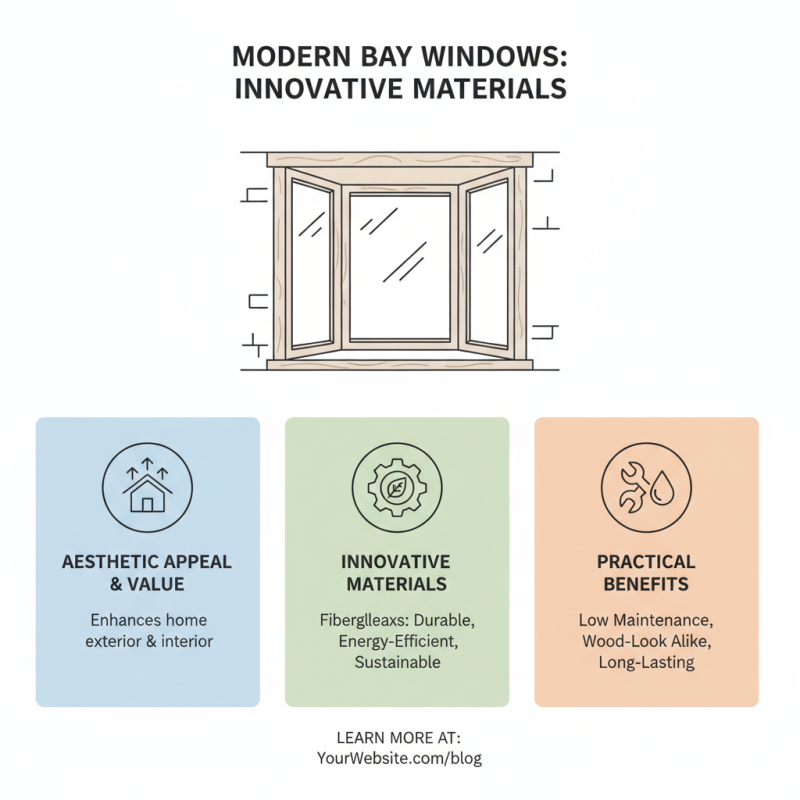
Bay windows enhance the aesthetic appeal of modern homes. Innovative materials are changing the way we think about these structures. For example, fiberglass is gaining popularity. It offers durability and energy efficiency. Many homeowners appreciate its low maintenance needs. This material can mimic wood while being more sustainable.
Another emerging option is aluminum composite. It combines lightweight properties with strength. This is ideal for sleek, modern designs. Homeowners often choose this material for its versatility in shapes and sizes. The finish can be customized, providing a unique look. However, aluminum can be less insulating than other options.
Incorporating smart glass technology is another trend. This can adjust transparency with a simple switch. It allows for privacy without sacrificing light. However, this technology can be expensive and may not be necessary for every budget. Balancing aesthetics and functionality remains a challenge. Overall, the materials shaping bay windows need careful consideration.
Sustainable Practices in Bay Window Construction and Installation
Sustainable practices in bay window construction have gained traction in modern home design. The growing emphasis on energy efficiency is evident. A report from the National Renewable Energy Laboratory suggests that well-designed windows can reduce heating and cooling costs by up to 30%. This potential saving is a crucial factor for homeowners considering upgrades.
Using sustainable materials is essential. Opting for reclaimed wood and low-VOC paints can minimize environmental impact. Many designers are now advocating for locally sourced materials. This often leads to lower transportation emissions. However, it can sometimes limit design options. Not all regions have access to quality sustainable resources.
Installation methods also warrant reflection. Traditional installation can lead to energy loss over time. A more eco-friendly approach can involve using advanced sealing techniques. Some builders still rely on outdated practices. While they may be less expensive, these methods can be detrimental long-term. The challenge lies in balancing cost, sustainability, and design innovation.
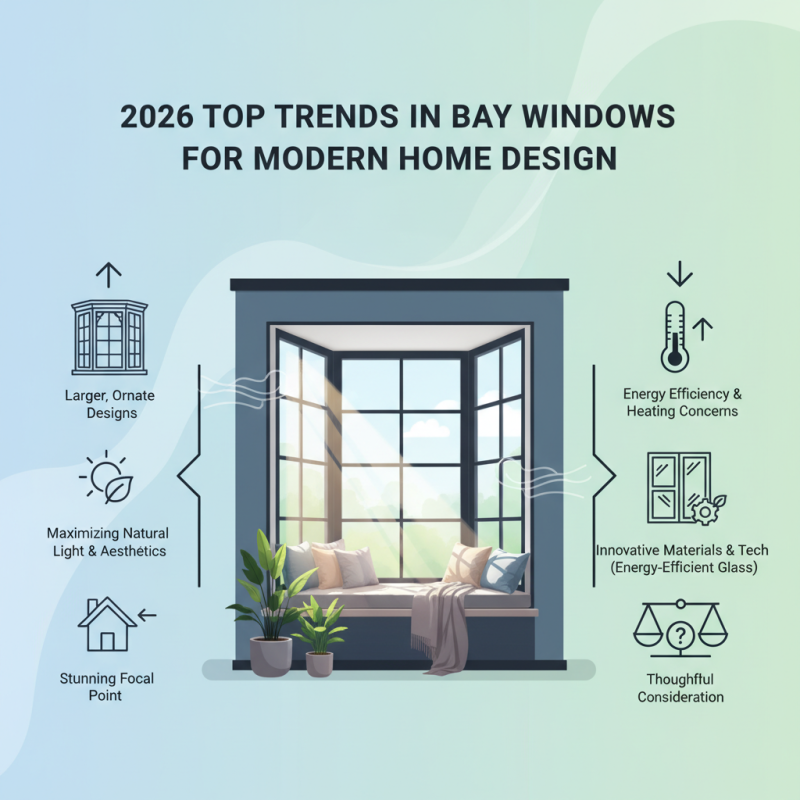
2026 Top Trends in Bay Windows for Modern Home Design
This chart illustrates the top trends in bay windows for modern home design in 2026, showcasing the increasing emphasis on energy efficiency, sustainable materials, design versatility, smart technology, and aesthetic appeal.
Integrating Technology into Bay Windows for Enhanced Functionality
Bay windows are evolving beyond simple architectural features. With technology integrated into their design, these spaces can become functional hubs. Imagine windows that can adjust their tint based on sunlight. This innovation enhances energy efficiency and comfort. Smart glass offers a modern touch, allowing homeowners to optimize natural light.
Lighting is another area where technology shines. LED strip lights can be embedded in bay window areas. This creates a cozy atmosphere. The ability to control these lights remotely adds convenience. Using sensors that adjust brightness based on the time of day brings an added layer of sophistication.
However, not all applications of technology in bay windows are perfect. Some systems may occasionally malfunction. And, users might find the learning curve a bit steep. Reflecting on these challenges is crucial. Embracing technology should ultimately enhance enjoyment, not complicate it. Balancing technology with the natural beauty of a bay window is essential for modern design.
Popular Color Schemes and Finishes for Bay Windows in Contemporary Homes
Bay windows provide a beautiful touch to modern homes. Choosing the right color schemes and finishes can enhance their appeal. Neutrals like soft grays and warm beiges are popular. These shades allow light to bounce off the surfaces, creating a spacious vibe. A contrasting trim can add depth and character. Deep navy or forest green can frame a bay window beautifully.
Textured finishes such as matte or satin can enhance the overall aesthetic. Matte finishes offer a subtle elegance while satin adds a bit of sheen. It’s essential to consider how these choices will wear over time. Glossy finishes may show fingerprints more easily. Different materials can also impact the final look. Wood gives a classic feel, while metal can add a contemporary twist. Balancing these elements can create a cohesive look.
Choosing the right color can be tricky. Too many contrasting colors might feel chaotic. Aim for a palette that resonates with your home's overall design. Testing samples in natural light is crucial. This will reveal how colors interact throughout the day. The goal should be harmony and warmth. Every choice has its pros and cons. Embracing imperfections in your design can lead to unique spaces.