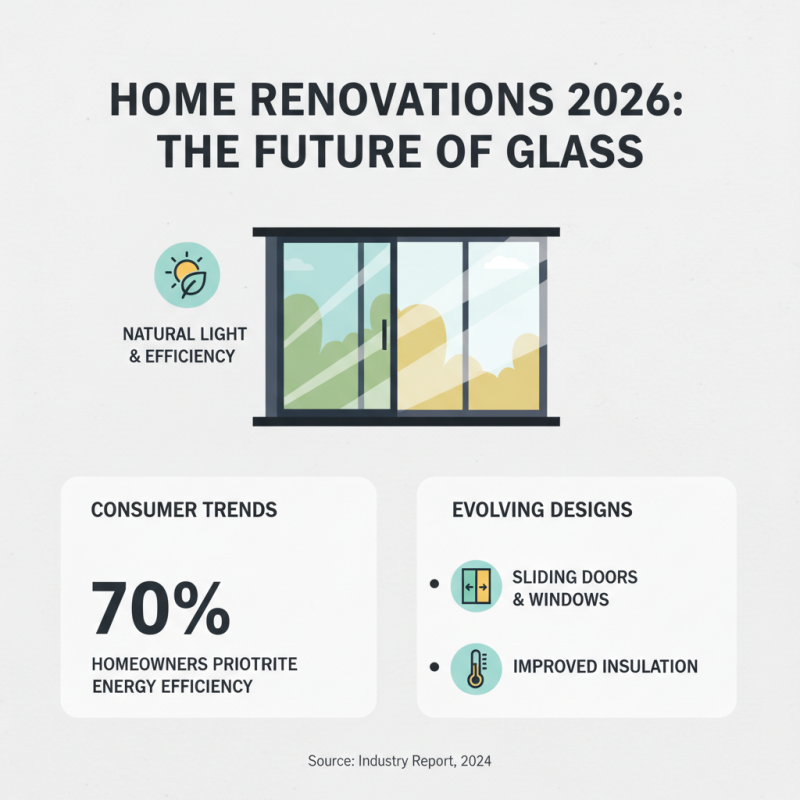

As we look towards 2026, the trends in sliding doors and windows are evolving rapidly. The global market for sliding doors and windows is projected to grow significantly, with a report from Market Research Future indicating a compound annual growth rate (CAGR) of 6.5% over the next five years. This growth is driven by increased demand for energy-efficient solutions and aesthetic designs that enhance architectural beauty.
Expert in the field, Samuel Reed, emphasizes, "Sliding doors and windows are not just functional; they redefine living spaces." This sentiment echoes the rising preference for open floor plans and seamless outdoor connections. Homeowners increasingly seek styles that blend innovation with practicality. However, alongside these advancements, challenges remain. The industry must address sustainability issues and ensure materials are environmentally friendly.
Consumers are becoming more selective. They seek high-quality sliding doors and windows that are both stylish and durable. The trend calls for transparency in sourcing and manufacturing processes. As we anticipate future developments, the balance between design and sustainability will be crucial for the industry’s growth.
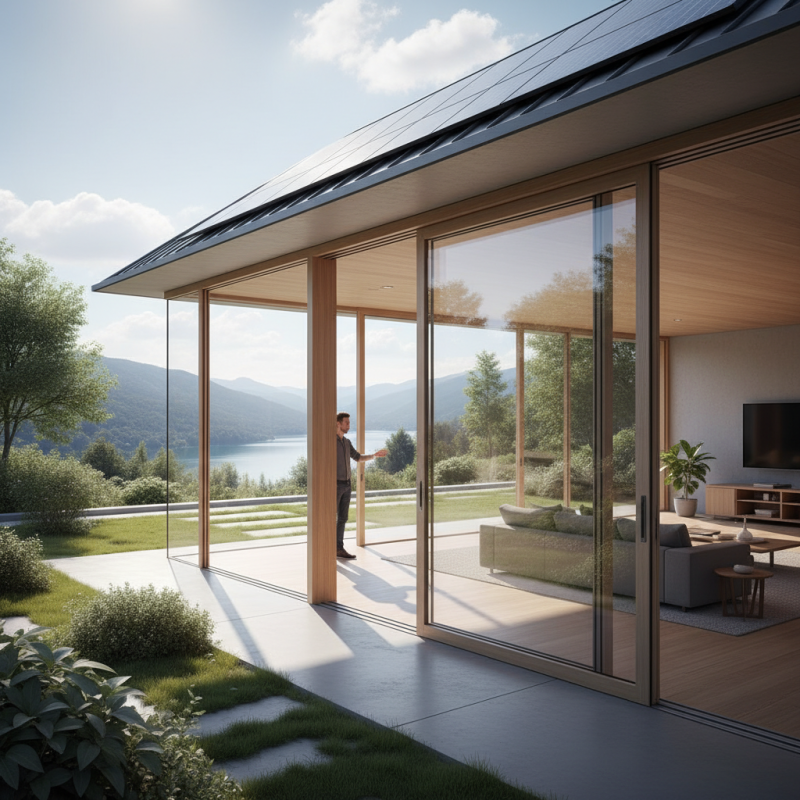
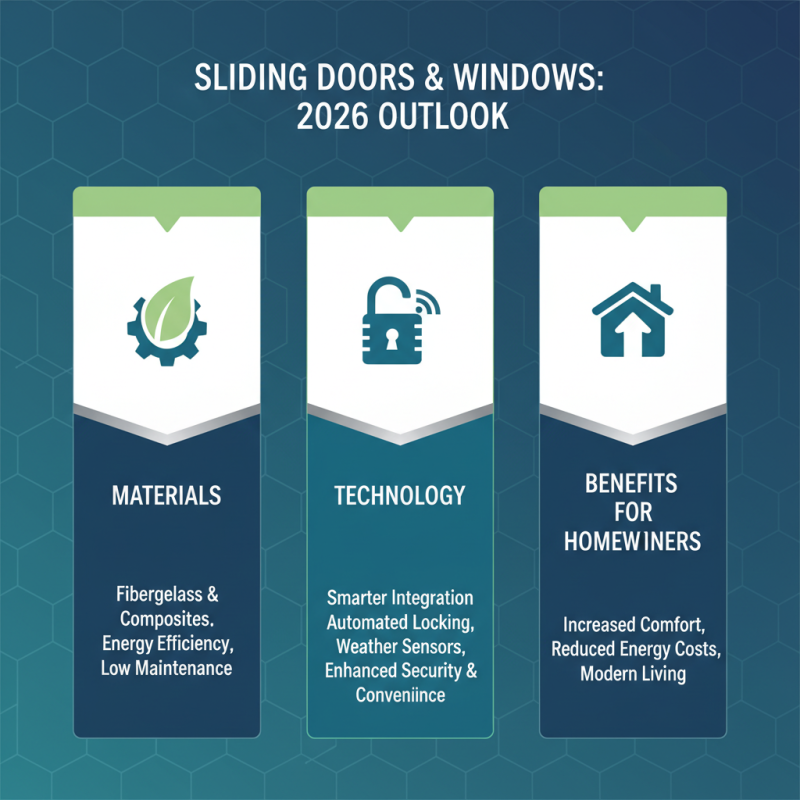
As we look towards 2026, the landscape of sliding doors and windows is set to evolve dramatically. Emerging materials like fiberglass and composite options are gaining popularity. These materials not only boast durability but also enhance energy efficiency. Homeowners may appreciate their low maintenance requirements. Additionally, advancements in technology will enable smarter integration. Imagine sliding doors equipped with automated locking systems or sensors that detect weather changes. This adds an extra layer of security and convenience.
Tips for selecting materials: prioritize energy efficiency and durability. Look for options that are sustainable. Consider the design as well. Minimalistic aesthetics are trending, making spaces feel larger and brighter. Yet, this approach can pose challenges in terms of maintaining privacy. Finding the right balance is essential.
The shift towards eco-friendly materials is noteworthy. Recycled aluminum and sustainable wood are becoming more common. However, some products still fall short of expectations. It's crucial to research and choose wisely. Knowing the source of your materials can lead to better choices for the environment and your home. Embracing these new trends in 2026 means keeping an open mind while recognizing potential drawbacks.
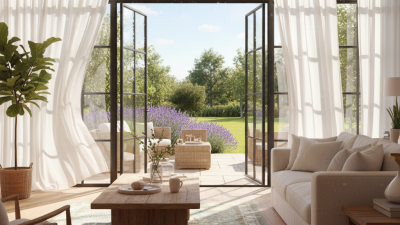
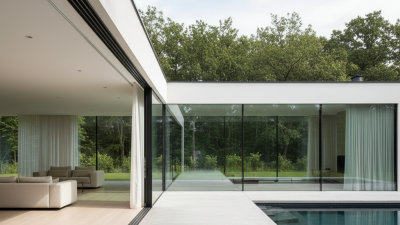
As we approach 2026, sliding doors and windows will reflect innovative design trends. Aesthetic appeal and functionality will guide choices. Large, floor-to-ceiling glass panels create a seamless flow between indoor and outdoor spaces. These designs enhance natural light. They also foster a sense of connectivity with nature.
Tips: Consider how sliding doors can improve your space. Think about what views you want to frame. The right door can change your room's atmosphere drastically.
Energy efficiency will become a priority. Double or even triple glazing will help regulate temperatures. This can save on energy bills in the long run. However, these solutions can be costly upfront. Homeowners should weigh immediate expenses against long-term benefits.
Tips: Research before making final decisions. Look for features like low-E coatings. These coatings can reduce glare and maintain comfort. Remember, sliding doors and windows need careful installation. Quality matters for performance and durability.
Sustainability is becoming essential in the design of sliding doors and windows. Increasingly, manufacturers focus on using recycled materials. This shift not only reduces waste but also conserves energy. Imagine frames made from reclaimed wood or recycled aluminum. These materials often offer unique aesthetics, appealing to eco-conscious consumers.
Innovation plays a critical role in sustainability. Advances in technology allow better insulation. This can lead to reduced energy consumption in homes. Consider triple-glazed windows that minimize heat loss. Such innovations may seem expensive initially but can save money in the long run. However, some consumers might hesitate, unsure if the upfront investment is worthwhile.
Designing for sustainability is not without challenges. Not all manufacturers prioritize eco-friendly practices. There's also a risk of greenwashing, where products are marketed as sustainable without real benefits. Buyers should research and ask questions. Making informed choices is key to promoting a greener future for sliding doors and windows.
In 2026, smart technology will transform sliding doors and windows in modern homes. Homeowners increasingly seek convenience and security. According to a recent report by ResearchAndMarkets, the smart window market is expected to grow by 25% annually through 2026. This shift is notable as people want integration with their smart home systems.
Smart sliding doors and windows offer features like remote access and automated locking systems. Sensors can detect movement, alerting homeowners to intrusions. Smart glass technology can also adjust transparency with a touch. However, not all consumers feel comfortable with such advanced tech. Many worry about security breaches and system failures. A survey by Statista revealed that 40% of respondents fear hacking.
Despite growing interest, challenges remain. Installation costs can be high, leading to hesitation among some buyers. Complex features can overwhelm homeowners who prefer simplicity. Balancing innovation with user-friendly designs is crucial. The future will require manufacturers to address these concerns while advancing technology.
| Trend | Description | Key Features | Expected Impact |
|---|---|---|---|
| Smart Home Integration | Seamless integration with home automation systems. | Voice control, remote access, automated locking. | Enhanced security and convenience for homeowners. |
| Energy Efficiency | Windows and doors designed to minimize heat loss. | Thermal break technology, low-E glass. | Reduced energy bills and environmental impact. |
| Sustainable Materials | Use of eco-friendly and recycled materials in production. | Bamboo, recycled aluminum, and sustainable wood. | Supports green building initiatives and reduces waste. |
| Innovative Designs | Contemporary styles focusing on minimalism and aesthetics. | Large glass panels, slim frames, custom shapes. | Enhances visual appeal and natural light in homes. |
| Ease of Use | Doors and windows designed for smooth operation. | Soft-close mechanisms, lightweight materials. | Improves user experience and accessibility. |
As we approach 2026, sliding doors and windows are evolving. The consumer preference leans towards styles that enhance natural light while offering better insulation. According to a recent industry report, 70% of homeowners prioritize energy efficiency in their purchasing decisions.
Design trends are reflecting these preferences, with a notable increase in demand for larger, more expansive openings. These units can connect indoor spaces with the outdoors effectively. Reports indicate that sales of sliding glass doors are projected to grow by 15% between 2023 and 2026. However, some manufacturers still face challenges. They struggle to balance aesthetic appeal with durability requirements.
Materials are also changing. Sustainability is a key factor. A study found that 65% of consumers would pay more for eco-friendly materials. Yet, not all products on the market meet these standards. This inconsistency can confuse buyers. Ultimately, understanding these trends helps industry players meet evolving consumer expectations.
*$250 Off/Window $500 Off/Door. Minimum of 4 Windows. Max savings not to exceed $2,500. Must present coupon at time of estimate. Some restrictions apply. Cannot be combined with any other offers. Call or see the website for details. www.mpwindowsanddoors.com. Offer Expires 9/30/25. CSLB# 778326. 100% Employee Owned.
Contractor's License CSLB #778326.
© 2000 - 2025 American Vision Windows