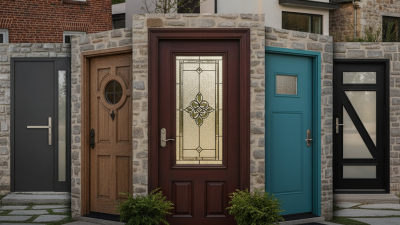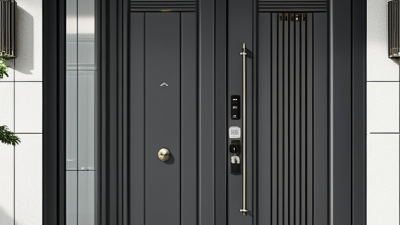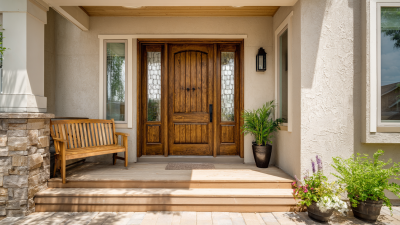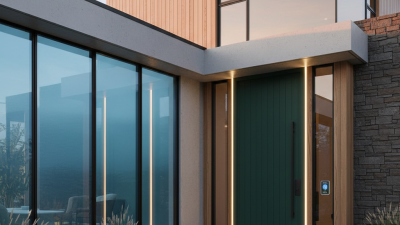

A front door does more than welcome guests. It faces rain, sun, daily traffic, and the occasional muddy boot. The right choice can improve curb appeal, comfort, and security, but no single material suits every home. That is why this guide compares ten entry doors across different budgets, styles, and practical needs.
The numbers offer useful context. Remodeling magazine’s 2024 Cost vs. Value report estimated that a steel entry-door replacement recouped 188.1% of its project cost at resale. That figure reflects national averages, not a promise for every property or market. Still, it shows why a modest upgrade can attract attention. For efficiency, the U.S. Department of Energy recommends sealing air leaks around doors; a well-fitted door and effective weatherstripping can help limit drafts. Small gaps matter.
Our picks consider construction, insulation, glazing, maintenance, and design. A fiberglass door may suit a homeowner seeking a wood-like look with less upkeep. Steel can offer strong value, while solid wood brings warmth and texture, though it needs care. Check the frame, threshold, hinges, and lockset, too. The door slab is only part of the system. A beautiful door that sticks in damp weather is still a disappointment. Product ratings and installation quality vary, so compare specifications and local conditions before buying.
Top 10 Entry Doors for Every Home?
An entry door shapes a home before anyone steps inside. Its color, panels, and glazing influence how the facade feels, whether welcoming, formal, or quietly modern. Proportion matters, too: a heavy-looking door can overwhelm a small porch, while a narrow design may seem lost on a broad exterior. Small details matter.
Appearance is only half the job. A properly fitted door, sound weather seals, and a stable threshold help limit drafts and rain. Insulated construction can also improve comfort near the entrance, though performance depends on the frame and installation. Check that the door swings freely and leaves enough clearance for a mat, nearby furniture, and daily traffic. Test it at dusk. Glass can brighten a dim hallway, but consider privacy and the direction of sunlight before choosing large panels.
The best style depends on how the entrance is used, not just how it photographs. A busy household may value a durable finish and easy cleaning; a shaded entry may benefit from more glazing. I would not assume that the most decorative option is the most practical. Even an attractive door can feel wrong if the handle is awkward or the threshold catches a shoe. Choices deserve a second look.
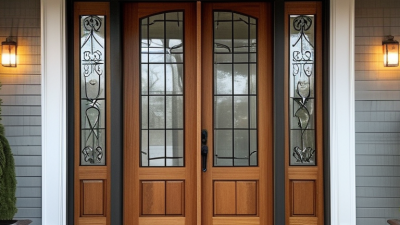
Entry doors are built from wood, steel, fiberglass, or combinations of these materials. Each responds differently to weather and daily use. Wood has a warm, substantial feel, but exposed edges need regular inspection for swelling or peeling. Steel resists impact and often uses a foam-filled core. Fiberglass can mimic wood grain and is less prone to moisture-related movement.
The U.S. Department of Energy’s Energy Saver guidance reports that many insulated steel and fiberglass doors have R-values of 5 to 6, more than five times that of a wood door. That figure helps compare insulation, but it does not describe the whole installed doorway. Look at the frame, weatherstripping, threshold, and glass, too. A small gap beneath the sweep can undermine an otherwise well-insulated slab.
The National Fenestration Rating Council rates door products for factors including U-factor, which indicates heat transfer; lower values generally mean less heat passes through. Check the rating for the complete door assembly where available, not just its center panel. Construction details matter. A reinforced lock area, tight corner joints, and adjustable hinges can help keep the door aligned after years of use. Still, no material is perfect; local rain, sun, and maintenance habits should shape the choice.
Typical thermal conductivity of selected entry-door materials (W/m·K)
Lower thermal conductivity means less heat passes through a material itself. Values shown are approximate representative bulk-material values, not whole-door ratings. A door’s actual energy performance also depends on its core, frame, weatherstripping, glazing, and construction.
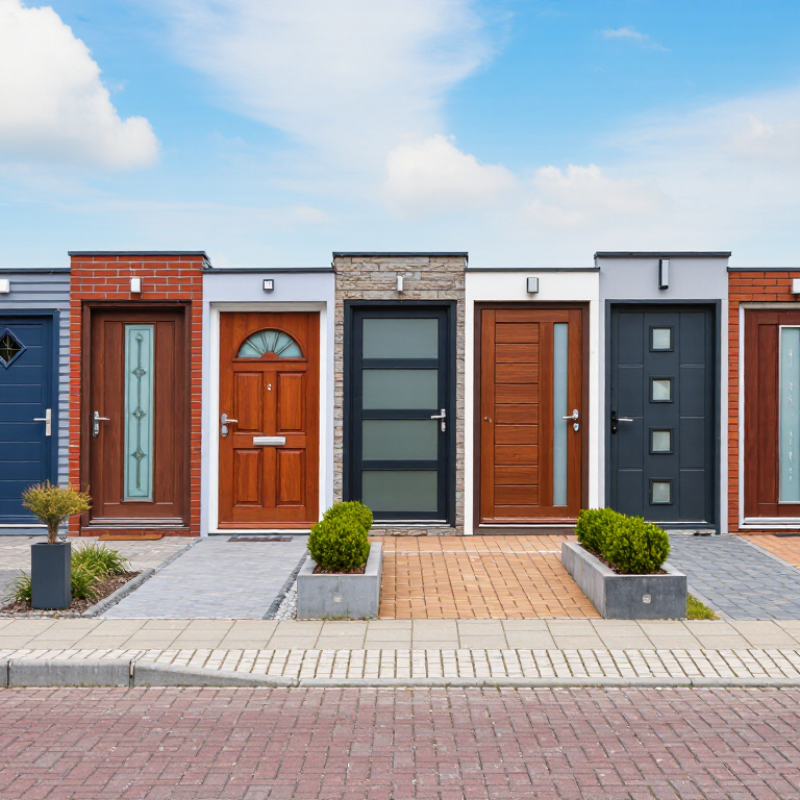
Entry doors do more than mark an entrance; their shape, glazing, and construction affect light, privacy, and daily use. Traditional paneled doors have raised sections that add depth and suit many home styles. Craftsman doors often feature a solid lower panel and small glass panes above. Dutch doors split horizontally, letting the upper half open while the lower half stays shut. Useful, though the dividing rail can feel visually heavy.
Arched doors soften a façade with a curved top, but they may require a custom frame. Flush doors have smooth, uninterrupted faces and suit pared-back designs. Divided-lite doors use bars to separate glass into smaller panes; full-lite doors place a larger glass area in the panel. More daylight comes through. So does less privacy, unless the glazing is obscured. Double doors create a broad opening, but both leaves need adequate clearance.
Pivot doors rotate on hardware set away from the frame’s edge, creating a striking, wide-moving panel. Their weight and installation need careful planning. Steel-clad doors offer a crisp appearance and a sturdy outer skin, though finish and insulation details vary. No style solves every problem. A glass-heavy door may brighten a shaded hall, yet feel exposed at night; check the view from the street before choosing. The porch’s wind and rain exposure matter, too.
Top 10 Entry Doors for Every Home?
How to Choose a Door for Your Home, Climate, and Budget
A door should suit the weather it faces, not just the look of the house. In damp or coastal conditions, fiberglass resists moisture and warping; steel can dent, while wood needs regular care. In colder regions, compare the door’s U-factor, which indicates heat loss. Lower is generally better. For glazed doors, check the glass performance too. A clear winter morning can reveal a chilly draft around the frame. Small details matter. A good door slab can still underperform if the threshold or weatherstripping leaves gaps. The U.S. Department of Energy’s Energy Saver guidance recommends sealing air leaks around doors to improve comfort and reduce wasted energy.
Budget for the whole installation, including framing repairs, hardware, and finishing. The 2024 Cost vs. Value report by Zonda estimated a national average of $2,355 for steel entry-door replacement, with $4,430 in resale value. Its fiberglass replacement project averaged $4,278, with $5,274 in resale value. These estimates are not guaranteed returns; local labor and project scope change the math. I would not pretend one material wins everywhere. A basic steel door may suit a tight budget, while a glazed fiberglass model may better fit a wet climate and a darker entryway. Ask installers how they’ll seal the jamb and manage water at the sill. That part is easy to overlook.
| Door Type | Typical Installed Cost (US$) | Works Well In | Main Advantages | Things to Consider | Best Fit |
|---|---|---|---|---|---|
| Insulated Fiberglass | $1,500–$4,500 | Cold, hot, humid, and coastal climates | Resists moisture and does not rust; insulated models can limit heat transfer; available in finishes that resemble wood. | Quality and insulation vary by model. Lower-cost finishes may not look as realistic as natural wood. | Homeowners seeking a low-maintenance, all-around option. |
| Insulated Steel | $800–$2,500 | Cold or variable climates, especially sheltered entrances | Often offers good insulation for the price; durable and widely available; usually a budget-friendly choice. | Can dent, and scratched finishes may rust if left unrepaired. Less suitable for locations exposed to salt air without appropriate protection. | Budget-conscious buyers prioritizing value and security. |
| Solid Wood | $2,000–$6,000+ | Mild or sheltered climates | Natural appearance, substantial feel, and a wide range of styles; can be refinished. | Usually needs regular sealing or painting. Moisture and temperature changes can cause swelling, shrinking, or warping. | Homes where natural materials and traditional design are priorities. |
| Wood-Clad | $2,500–$6,000+ | Cold or mixed climates, with suitable exterior protection | Combines a wood interior appearance with a protective exterior facing; can reduce exterior upkeep compared with exposed wood. | Construction and maintenance needs differ by product. Check the exterior material, finish, and warranty details. | Owners who want a wood interior look with added weather protection. |
| Thermally Broken Aluminum | $1,500–$4,000 | Warm climates; colder regions when designed with effective thermal breaks and glazing | Lightweight, strong, and resistant to rust; suits modern designs and larger glazed openings. | Aluminum conducts heat readily, so thermal-break construction is important in climates with temperature extremes. | Contemporary homes and entrances with slim-framed glass. |
| Full-Lite Insulated-Glass Door | $1,800–$5,000 | Bright entrances in mild or mixed climates; suitable glazing can extend use to other climates | Brings daylight into the entry and can make a small foyer feel more open. | Choose suitable insulated safety glazing. More glass can mean less privacy and different heat gain or heat loss than an insulated opaque slab. | Entries where daylight and an open view are important. |
| Half-Lite Door | $1,200–$3,500 | Most climates when the glass and door are suited to local conditions | Balances daylight with more privacy and solid door area than a full-lite design. | Glazing affects energy performance and privacy. Consider the direction of sunlight and whether blinds or decorative glass are needed. | Households wanting natural light without a mostly glazed entry. |
| Dutch Door | $1,500–$4,000 | Mild climates or sheltered porches | Upper and lower sections can open separately, allowing ventilation while keeping the lower section closed. | The split design adds hardware and potential weather-sealing points. Check that the closed door seals well against wind and rain. | Homes where flexible ventilation and a distinctive style are desired. |
| Pivot Door | $3,000–$10,000+ | Modern homes in climates where the opening can be well protected from weather | Creates a dramatic, wide entry and can accommodate oversized door designs. | Requires suitable structural support, precise installation, and careful weather sealing. Typically costs more than a standard hinged door. | Custom homes with a large entry and a flexible project budget. |
| Composite Door | $1,500–$4,000 | Cold, wet, or mixed climates, depending on construction | Engineered materials can resist moisture and reduce routine maintenance; styles and insulation levels vary. | “Composite” describes a range of constructions, not one standard performance level. Compare the actual materials, ratings, and warranty. | Buyers looking for a low-maintenance alternative to solid wood. |
Cost and performance note: Prices are broad estimates for a typical single entry door with professional installation in the United States; location, door size, hardware, finish, and installation complexity can change the total. Energy performance depends on the complete door system, including glazing, frame, weatherstripping, and installation. Compare certified ratings such as U-factor and air-leakage information for the specific model, and select products suited to your local climate.
A dependable entry door is more than a thick slab. Security depends on the frame, hinges, lock, and the way they meet. Choose a door suited to your climate and daily use, then check that the frame is sound. A sturdy strike plate anchored into the framing can help resist forced movement. The deadbolt should extend smoothly without scraping. Small details matter.
Installation affects both security and comfort. Measure the opening at several points; older homes are not always square. Set the frame plumb and level, and avoid forcing a door into place. Gaps can cause drafts, sticking, or weak latch alignment. A careful fit matters. Seal the sill and exterior joints with materials appropriate for the door and wall assembly. If the frame is rotted or the opening has shifted, get qualified help rather than hiding the problem with extra caulk. That shortcut may fail.
Care takes only a few minutes each season. Wipe the door with a soft, damp cloth, and use finish-safe cleaners. Check hinges, weatherstripping, and the bottom sweep for looseness or cracks. Tighten hardware gently, and replace worn seals before water reaches the threshold. Wood doors may need finish touch-ups as exposure changes; fiberglass and metal doors still need inspection. I would not assume a door is secure just because it looks substantial. Recheck the latch after temperature swings or settling.
*$250 Off/Window $500 Off/Door. Minimum of 4 Windows. Max savings not to exceed $2,500. Must present coupon at time of estimate. Some restrictions apply. Cannot be combined with any other offers. Call or see the website for details. www.mpwindowsanddoors.com. Offer Expires 9/30/25. CSLB# 778326. 100% Employee Owned.
Contractor's License CSLB #778326.
© 2000 - 2025 American Vision Windows