
Choosing the right San Diego windows is not simply a matter of selecting the largest glass area or the lowest advertised price. San Diego’s coastal salt air, strong sunlight, mild winters, and varied inland temperatures create different performance demands. The U.S. Department of Energy reports that windows can represent 25% to 30% of residential heating and cooling energy use. That figure makes glass selection a practical investment decision, not just an architectural preference.
For global buyers, the National Fenestration Rating Council recommends comparing independently verified ratings, including U-factor, solar heat gain coefficient, visible transmittance, and air leakage. A low U-factor can support insulation, while an appropriate solar heat gain coefficient may reduce afternoon heat near west-facing rooms. ENERGY STAR also advises choosing products suited to the local climate, rather than relying on brand reputation alone. Coastal buyers may need corrosion-resistant frames and carefully specified hardware. Inland properties may benefit from stronger solar-control glass.
Building scientist Joseph Lstiburek offers a useful reminder: “A window is a hole in the wall.” That sounds simple. It is also easy to forget. A beautiful window can still cause glare, fading, drafts, or uncomfortable indoor temperatures when its specifications are poorly matched. I would not claim one product is best for every San Diego address. That conclusion needs more testing, site inspection, and honest comparison. This guide examines how leading San Diego windows perform for international owners, including energy ratings, frame materials, durability, installation quality, and long-term maintenance. Sources include the U.S. Department of Energy, ENERGY STAR, NFRC, and California’s building-efficiency guidance.
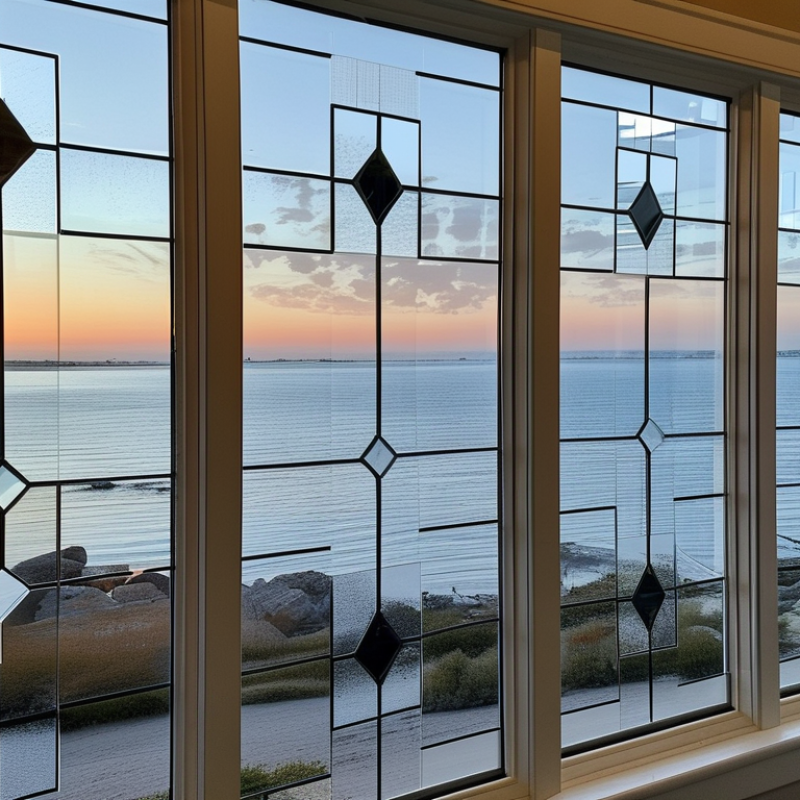
San Diego window choices should follow the room, climate, and exposure—not only appearance.
Coastal areas sit in the Marine 3C climate zone on U.S. Department of Energy maps. Mild winters reduce heating demand, but strong sunlight still makes glass selection important. Low-emissivity glazing can limit solar heat and ultraviolet exposure. The National Fenestration Rating Council recommends comparing U-factor and Solar Heat Gain Coefficient ratings, not relying on labels such as “premium.”
Casement windows seal tightly and suit bedrooms or living rooms needing controlled ventilation. Sliding windows work well beside patios because they need little clearance. Awning windows can ventilate during light rain, making them useful near kitchens.
Fixed windows provide broad views and strong daylight, but they do not ventilate. Double-hung windows offer flexible airflow, although their seals may need closer maintenance. ENERGY STAR reports that replacing single-pane windows with certified products can save households about 7% to 15% on annual energy bills, depending on climate and existing conditions.
Tips: Match the window to the wall. South- and west-facing rooms often need lower solar heat gain. Ask for NFRC values, air-leakage data, and installation details. A perfect glass package can still fail with poor flashing. I would not assume imported sizing fits older San Diego homes; field measurements can reveal uneven openings, salt exposure, or hidden moisture. That extra inspection feels slow, but skipping it can be expensive.
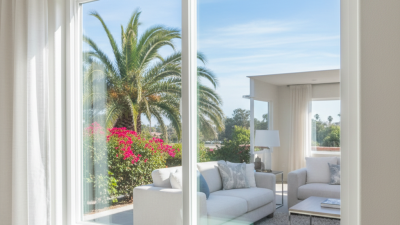
What Are the Top San Diego Windows for Global Buyers?
San Diego’s mild climate still demands careful window selection. Coastal homes face salt air, strong sunlight, and wind-driven moisture. Inland properties may experience hotter afternoons and wider temperature changes. A suitable window should match the site, not just the city.
Low-emissivity glass can reduce ultraviolet damage and indoor heat gain. Lower solar heat-gain ratings often suit sunny rooms with large west-facing windows. However, colder climates may benefit from higher solar gain during winter. Insulated frames and double glazing improve comfort near glass surfaces. In noisy coastal areas, laminated glass can soften traffic and surf sounds. Durable hardware also matters where salt air accelerates corrosion. Water resistance is easy to overlook.
Tips: Ask for tested U-factor, solar heat-gain, air-leakage, and water-resistance data. Check the frame material and hardware finish. Consider exterior shading before choosing darker glass. A professional site assessment can reveal exposure that drawings miss. Installation quality remains critical; even excellent windows can leak when flashing is poorly fitted.
I have seen buyers focus on appearance first. That choice can become expensive later. A huge window may offer beautiful views but create glare and overheating. Conversely, highly tinted glass may reduce daylight more than expected. Review room direction, local weather, and maintenance needs together. Performance labels help, but they do not replace honest evaluation of the building envelope.
| Climate or Location Type | Typical Environmental Conditions | Recommended Window Configuration | Target U-Factor | Target SHGC | Visible Transmittance | Key Performance Features | Best-Fit San Diego Use Case |
|---|---|---|---|---|---|---|---|
| Coastal Mediterranean | Moderate temperatures, marine air, salt exposure, mild winters, and strong afternoon sunlight. | Double-pane low-emissivity glazing with thermally improved frames; corrosion-resistant hardware is recommended. | ≤ 0.30 Btu/h·ft²·°F | 0.25–0.40 | 0.45–0.65 | Low air leakage, durable weather seals, moisture-resistant materials, and resistance to coastal corrosion. | La Jolla, Del Mar, Coronado, and other properties near the Pacific Ocean. |
| Warm Inland Valley | Hotter summer afternoons, high solar exposure, and greater day-to-night temperature swings. | Double-pane solar-control low-emissivity glass with insulated frames and carefully selected shading. | ≤ 0.30 Btu/h·ft²·°F | 0.20–0.30 | 0.40–0.60 | Solar-heat reduction, strong frame insulation, low infiltration, and compatibility with exterior shading. | Poway, Rancho Bernardo, Escondido, and inland residential areas. |
| Hot and Dry Desert | Very high summer heat, intense direct sunlight, low humidity, and substantial cooling demand. | Double- or triple-pane low-emissivity glazing with low-solar-gain coating and insulated or thermally broken frames. | ≤ 0.25 Btu/h·ft²·°F | 0.18–0.25 | 0.35–0.55 | Low SHGC, excellent edge-of-glass insulation, tight weatherstripping, and effective glare control. | Useful for buyers comparing San Diego products with homes in inland Southern California or desert regions. |
| Cool Mountain or High-Elevation | Cooler nights, occasional frost, stronger wind exposure, and larger heating requirements than coastal areas. | Double- or triple-pane low-emissivity glazing with warm-edge spacers and insulated frames. | ≤ 0.22 Btu/h·ft²·°F | 0.30–0.50 | 0.45–0.65 | Heat retention, low air leakage, wind-load suitability, condensation resistance, and durable seals. | Mountain communities and buyers evaluating windows for cooler inland climates. |
| Humid or Rainy Climate | Frequent rain, high humidity, moisture exposure, and increased risk of condensation or water intrusion. | Insulating glazing with low-emissivity coating, robust drainage paths, and high-quality perimeter seals. | ≤ 0.30 Btu/h·ft²·°F | 0.25–0.40 | 0.45–0.65 | Low condensation potential, tested water resistance, reliable flashing, and mold-resistant installation materials. | Relevant for global buyers comparing coastal San Diego windows with products used in tropical or rainy regions. |
| Cold Winter Climate | Low outdoor temperatures, heating-dominated energy use, snow or ice exposure, and potential interior condensation. | Triple-pane low-emissivity glazing with insulated frames, warm-edge spacers, and high-performance weather seals. | ≤ 0.20 Btu/h·ft²·°F | 0.35–0.55 | 0.45–0.65 | High insulation, low air leakage, warm interior glass surfaces, and strong condensation resistance. | Appropriate for international buyers comparing San Diego specifications with northern or continental climates. |
| High-Wind or Storm-Exposed Area | Strong wind gusts, wind-driven rain, airborne debris, and elevated structural demands. | Impact-rated or reinforced glazing where required, with tested frames, multi-point locking, and engineered anchoring. | Project-specific | 0.25–0.45 | 0.40–0.60 | Verified structural performance, air and water resistance, secure hardware, and installation matched to local codes. | Useful for exposed coastal properties and buyers assessing windows for storm-prone global markets. |
| Performance targets are general comparison ranges, not product certifications. Actual requirements depend on orientation, window-to-wall ratio, local building codes, frame material, glass coating, installation quality, and the applicable energy-performance standard. U-factor and SHGC values are expressed in commonly used U.S. units. | |||||||
What Are the Top San Diego Windows for Global Buyers?
For San Diego homes, compare materials, glass, and ratings as one system. The U.S. Department of Energy reports that windows can cause 25–30% of residential heating and cooling energy use. That makes glass selection more important than appearance alone. Vinyl usually offers strong insulation at a moderate cost. Fiberglass resists expansion and suits large openings. Aluminum is slim and durable, but needs thermal breaks. Wood feels warm, yet requires more maintenance near coastal air.
Glass ratings need careful reading. The National Fenestration Rating Council measures U-factor, solar heat gain coefficient, visible transmittance, and air leakage. Lower U-factor usually means better insulation. A lower SHGC can reduce unwanted summer heat, especially on west-facing windows. However, darker glass may reduce daylight. That trade-off is easy to miss. The Department of Energy recommends low-emissivity coatings for controlling heat transfer and improving comfort. Double glazing is common, while triple glazing may help noisy or highly exposed properties.
Global buyers should not compare labels blindly. NFRC ratings and European Uw values use different testing systems. Request certified data, installation details, and the actual climate assumptions. San Diego’s mild winters do not justify choosing the lowest U-factor automatically. Shading, orientation, frame depth, and ventilation still matter. My practical mistake was focusing on center-glass performance while ignoring the frame and installer. The window is only as reliable as its weakest edge. Coastal salt, strong afternoon sun, and occasional condensation deserve equal attention.
Comparing representative frame materials with double low-E insulated glass
U-factor measures heat transfer and lower values indicate better insulation. SHGC measures the fraction of solar heat entering through the glass; lower values can help reduce cooling loads in sunny San Diego. The figures are representative performance values for common residential window assemblies, not brand-specific guarantees. Always verify the NFRC label for the exact window, glass package, and frame combination.
For global buyers, San Diego window selection should begin with installation standards, not appearance. California’s Title 24 rules require energy performance based on climate zone, window direction, and building type. A qualified installer should verify U-factor, solar heat gain coefficient, visible transmittance, and air leakage through NFRC-rated documentation. ENERGY STAR reports that windows can influence roughly 25–30% of a home’s heating and cooling energy use. Poor sealing can erase those gains.
Installation quality affects cost and comfort. The 2024 Cost vs. Value Report places national vinyl window replacement costs near $21,000 for a typical project, with resale recovery around 68%. San Diego labor, permits, access, and coastal conditions may raise that figure. Request a written scope covering flashing, sill pans, shims, fasteners, interior trim, disposal, and water testing. Do not trust a low estimate. It may exclude crucial waterproofing.
Long-term maintenance is often overlooked by overseas owners. Coastal air can corrode exposed hardware, while dust collects in tracks and drainage channels. Inspect seals, locks, weep holes, and exterior joints twice yearly. Clean with mild soap, not abrasive chemicals. The American Architectural Manufacturers Association recommends following documented care procedures and checking sealant movement. A perfect maintenance forecast is unrealistic. Even well-installed windows may need hardware adjustment after seasonal expansion. Keep invoices, product labels, and photographs for future inspections. Reliable records help when the property manager changes.
What Are the Top San Diego Windows for Global Buyers?
Buying Considerations for International Property Owners
International property owners need windows that match San Diego’s climate, building rules, and daily maintenance realities. Coastal homes face salty air, strong sunlight, and occasional heavy rain. Inland properties may experience hotter afternoons and wider temperature changes. A window that performs well near the ocean may not suit a dry inland neighborhood.
Look beyond appearance. Compare frame materials, glass coatings, air leakage, water resistance, and solar heat gain ratings. Low-emissivity glass can reduce indoor heat and protect flooring from fading. Multi-pane units may improve comfort, but they require careful installation. Ask for documented performance data from an independent certification source. Product labels alone are not enough.
Check local permitting requirements before ordering. Some communities also have design rules, especially in historic areas or managed developments. A qualified local installer should inspect wall conditions, drainage paths, and existing damage. Remote owners should request dated photographs, written measurements, and a clear installation schedule. Small errors become expensive across time zones.
Coastal corrosion deserves attention. Use suitable hardware and plan regular cleaning, particularly on exposed balconies. Confirm warranty coverage, service limits, and who handles future repairs. International owners should also verify insurance requirements and energy standards with local professionals. I would not choose windows only for the lowest price. That decision can feel efficient, but it may create drafts, leaks, or difficult repairs later. Even experienced buyers can miss that detail.
*$250 Off/Window $500 Off/Door. Minimum of 4 Windows. Max savings not to exceed $2,500. Must present coupon at time of estimate. Some restrictions apply. Cannot be combined with any other offers. Call or see the website for details. www.mpwindowsanddoors.com. Offer Expires 9/30/25. CSLB# 778326. 100% Employee Owned.
Contractor's License CSLB #778326.

© 2000 - 2025 American Vision Windows