

Choosing sliding doors for global projects requires more than comparing glass sizes, frame colors, and advertised prices. A suitable system must perform in its real environment. Coastal buyers may face salt air, while cold-climate projects demand strong thermal insulation. Tropical regions need reliable drainage, ventilation, and resistance to driving rain. Installation quality matters just as much as the door itself.
Building-science expert Joseph Lstiburek warns, “Water is the most destructive force on Earth.” His reminder is highly relevant to sliding doors. A beautiful door can still fail when water enters the track, seals shrink, or the threshold is poorly installed. Look closely at drainage paths, gasket quality, corrosion resistance, glass performance, panel weight, and replacement-part availability. Ask for tested data, not only showroom claims. Request installation drawings. Check whether local technicians understand the system.
Global buyers should also examine opening sizes, delivery protection, warranty coverage, and after-sales support. A door that fits one market may not suit another. Regional construction methods differ. So do weather patterns and maintenance habits. Some specifications may look impressive but remain difficult to verify. That is an uncomfortable truth.
The ten tips in this guide create a practical selection path. They cover performance, security, accessibility, aesthetics, logistics, and long-term care. They also encourage buyers to question convenient assumptions. No product is perfect. The right sliding doors are the ones that remain safe, smooth, dry, and serviceable after years of daily use.
Sliding door types vary by movement, structure, and intended use. A bypass door has panels that slide behind one another, making it practical for wardrobes and compact bathrooms. A pocket door disappears inside the wall. It saves floor space, but installation requires careful framing and future access planning. Folding sliding doors create wider openings for homes, cafés, and meeting rooms.
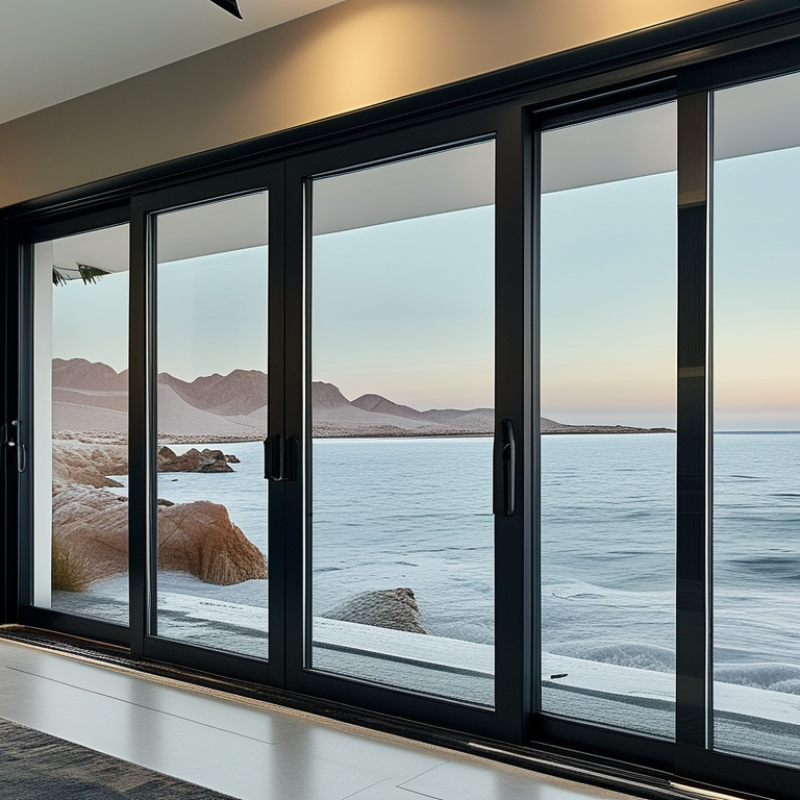
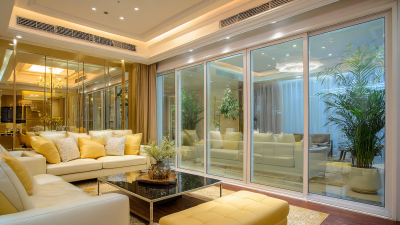
Glass sliding doors suit balconies, patios, offices, and retail entrances. Tempered glass offers useful impact resistance, while laminated glass can remain bonded after breakage. Framed systems usually provide greater structural support and weather control. Frameless designs look lighter, but they demand accurate alignment and strong hardware. Small gaps matter.
Automatic sliding doors are common in hospitals, airports, hotels, and busy commercial entrances. They improve traffic flow and can support accessibility when correctly specified. Manual doors may be better for private homes or low-traffic rooms. For warehouses, heavy-duty sliding systems can separate work zones, though dust, vibration, and frequent cycles may shorten component life. Industrial choices should include tested load ratings and maintenance access.
Global buyers should check climate, wall construction, drainage, wind exposure, and local safety codes. A coastal project needs corrosion-resistant hardware. Cold regions need suitable seals and thermal performance. Ask for installation drawings, glass specifications, adjustment instructions, and replacement-part availability. A low price can hide difficult servicing. A beautiful door can still be the wrong door. Even experienced buyers sometimes overlook cleaning space, which becomes frustrating later.
| No. | Sliding Door Type | How It Works | Main Applications | Key Advantages | Important Considerations | Selection Tip |
|---|---|---|---|---|---|---|
| 1 | Single-Panel Sliding Door | One door panel moves horizontally along a track and stacks beside the fixed opening. | Residential patios, balconies, bedrooms, offices, and small commercial entrances. | Simple construction, efficient use of floor space, and generally straightforward installation. | Requires clear wall space beside the opening; the usable opening is usually limited to one panel width. | Choose this type when the adjacent wall is unobstructed and the opening is moderate in width. |
| 2 | Bi-Parting Sliding Door | Two panels slide away from the center toward opposite sides. | Hotels, conference rooms, retail entrances, large living areas, and interior partitions. | Creates a centered passage and distributes door weight between two sides. | Needs usable stacking space on both sides and accurate alignment of the track system. | Use it when a symmetrical entrance and a wider central opening are required. |
| 3 | Telescopic Sliding Door | Two or more panels slide in the same direction and overlap or nest behind one another. | Airports, hospitals, shopping centers, office buildings, and locations with limited side clearance. | Provides a relatively wide opening while using less wall space than a conventional multi-panel door. | Has more rollers, guides, and moving components, which can increase installation and maintenance requirements. | Select it when the opening is wide but the available stacking area is restricted. |
| 4 | Pocket Sliding Door | The door panel slides into a concealed cavity inside the wall. | Bathrooms, bedrooms, compact apartments, accessible rooms, and space-saving interiors. | Leaves both sides of the doorway clear and maximizes usable floor and wall space. | Requires sufficient wall depth and careful planning for plumbing, wiring, insulation, and future repairs. | Confirm the wall cavity is suitable before construction; avoid placing utilities in the pocket area. |
| 5 | Bypass Sliding Door | Two or more panels slide past one another on parallel tracks rather than opening into the room. | Wardrobes, closets, storage rooms, utility areas, and compact residential interiors. | Works well where there is little room for panels to swing outward or inward. | Only part of the cabinet or doorway is open at one time, and overlapping panels require clean tracks. | Choose it for storage access where full-width opening is not essential. |
| 6 | Lift-and-Slide Door | Turning the handle lifts the panel slightly off its seals and rollers, allowing it to slide; closing lowers it onto the seals. | Large residential glazing, coastal homes, high-end apartments, and energy-conscious buildings. | Can support large glazed panels and provide strong weather sealing when correctly installed. | Needs a strong, level sill and correctly sized hardware; large glass panels may require special handling equipment. | Consider it for wide exterior openings where smooth movement and improved sealing are priorities. |
| 7 | Sliding-Folding Door | Several hinged panels fold together while traveling along a top or bottom track. | Restaurants, retail storefronts, event spaces, balconies, terraces, and indoor-outdoor areas. | Can open a large portion of the wall and create a flexible connection between adjacent spaces. | Requires clearance for the folded panels; hinges, rollers, and seals need regular inspection. | Use it when maximum opening width is more important than a simple, uninterrupted sliding panel. |
| 8 | Automatic Sliding Door | An electric operator opens and closes the panels using sensors, push plates, or access-control signals. | Hospitals, supermarkets, airports, office entrances, public buildings, and accessible facilities. | Supports hands-free traffic flow and can improve accessibility in high-use entrances. | Requires power, safety sensors, commissioning, and compliance with applicable local safety requirements. | Specify traffic volume, opening speed, emergency operation, and local accessibility rules before purchase. |
| 9 | Manual Barn-Style Sliding Door | A visible roller assembly carries the panel along a surface-mounted rail above the doorway. | Interior rooms, farm buildings, hospitality spaces, retail displays, and decorative renovations. | Offers a distinctive appearance and can be installed without creating a pocket inside the wall. | The track and wall must support the panel load; perimeter sealing is usually weaker than with fully framed systems. | Choose it for visual character and simple room separation rather than high-performance exterior sealing. |
| 10 | Heavy-Duty Industrial Sliding Door | Large reinforced panels move on heavy rollers, tracks, or suspended hardware designed for industrial loads. | Warehouses, factories, hangars, workshops, logistics facilities, and agricultural buildings. | Suitable for large openings, frequent material movement, and demanding working environments. | Requires structural support, impact protection, corrosion resistance, and a maintenance plan for tracks and rollers. | Define panel weight, opening dimensions, operating frequency, wind exposure, and safety requirements in advance. |


*$250 Off/Window $500 Off/Door. Minimum of 4 Windows. Max savings not to exceed $2,500. Must present coupon at time of estimate. Some restrictions apply. Cannot be combined with any other offers. Call or see the website for details. www.mpwindowsanddoors.com. Offer Expires 9/30/25. CSLB# 778326. 100% Employee Owned.
Contractor's License CSLB #778326.