
Choosing the best type of entry doors is not simply a style decision. It affects security, energy efficiency, maintenance, and daily comfort. A beautiful door can still disappoint if it warps, leaks, or closes poorly.
Experienced door educator Gary Katz puts it plainly: “A door is only as good as its installation.” That advice deserves attention. Even a high-quality fiberglass door may perform badly when the frame is uneven. Cold air can enter beneath a visible gap. Rain may collect near the threshold. Small details matter.
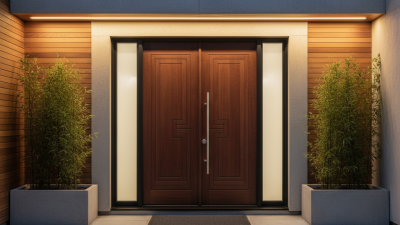
Fiberglass entry doors often suit homeowners who want durability with limited maintenance. They can imitate wood grain and resist moisture better than natural wood. Steel doors usually provide strong security and good value. However, exposed steel can dent or develop surface damage. Wood doors offer warmth, craftsmanship, and a distinctive entrance. They also demand regular sealing, especially in wet or sunny climates.
There is no perfect door.
The right choice depends on your priorities, local weather, budget, and home design. A coastal property may need moisture resistance. A cold home may benefit from an insulated core and a well-fitted weather seal. A busy household may prefer a low-maintenance surface over delicate detailing.
This guide compares each material honestly. It also considers installation quality, hardware, glazing, and long-term upkeep. Some recommendations may challenge popular assumptions. That is useful. The most expensive door is not automatically the best investment. A carefully measured, properly installed door often delivers greater value.
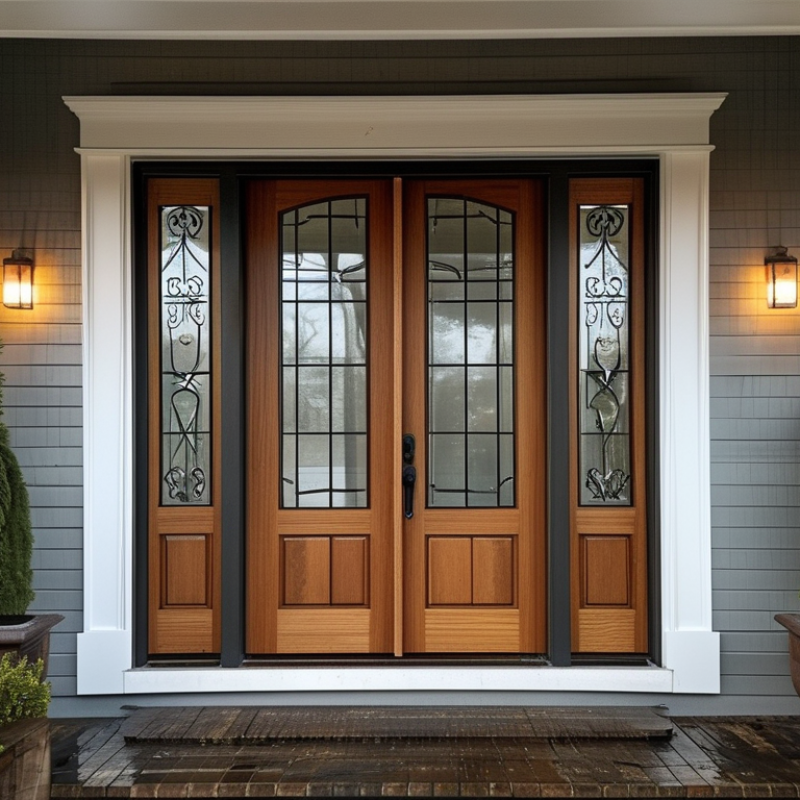
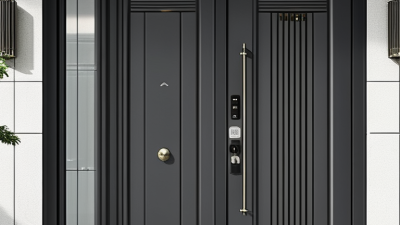
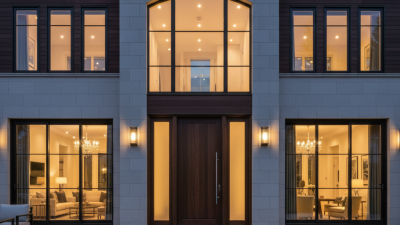
Steel, fiberglass, wood, and glass each solve different entry-door problems. Steel usually offers strong security at a lower purchase price. However, dents and edge rust can appear after harsh weather. Fiberglass resists moisture, warping, and repeated temperature changes. It often feels less demanding in humid climates. Wood provides natural grain, weight, and repairable surfaces. It needs regular sealing, especially near exposed thresholds. Glass brings daylight and a wider view, but requires laminated or tempered safety glazing.
Energy performance depends on the whole assembly, not just the slab. The U.S. Department of Energy reports that air leakage can represent 25% to 40% of home heating and cooling energy use. A poorly adjusted frame can waste more energy than a premium door. Check the U-factor, air-leakage rating, weatherstripping, sill design, and installation method. The National Fenestration Rating Council provides independently verified rating information for many door products. Small gaps matter.
Budget evidence is also revealing. The 2024 Cost vs. Value Report recorded about 188% cost recouped for a steel entry-door replacement. That figure is regional and should not be treated as a guarantee. Fiberglass may cost more upfront but can reduce maintenance. Wood can age beautifully, though my practical concern is upkeep being forgotten. Glass needs careful attention to privacy, heat gain, and hardware strength. A solid door is not automatically the best door. Your climate, porch exposure, maintenance habits, and security priorities should guide the choice.
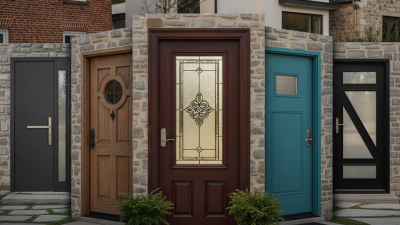
When choosing an entry door, insulation deserves serious attention. Steel doors can offer up to six times more insulation than some wood doors. The difference usually comes from a dense foam core inside the steel panel. This core slows heat movement through the doorway.
Consider a winter morning with frost around the frame. A well-insulated steel door can keep the interior surface warmer and reduce uncomfortable drafts. That matters near entry halls, where cold air often spreads across hard floors. Check the door’s U-factor, weatherstripping, and insulated frame together. A strong panel cannot correct a poorly sealed installation.
The six-times figure is not universal. Door thickness, core design, glass area, and installation quality can change performance. Steel may also dent, and exposed scratches can eventually create maintenance concerns. Wood offers attractive grain and can be repaired, but it may swell when moisture reaches unprotected edges. I would not choose steel by headline numbers alone. Compare verified thermal ratings and inspect the sill, hinges, and perimeter seals. An experienced installer should also check whether the rough opening is square. A small gap can waste the insulation advantage.
What Is the Best Type of Entry Door to Buy?
Energy performance should guide your entry-door choice, not appearance alone. ENERGY STAR residential door criteria specify U-factors from 0.17 to 0.27, depending on climate zone and door design. A lower U-factor means less heat passes through the assembly. That matters during winter mornings, when a poorly insulated door can feel cold near the edges.
The U.S. Department of Energy identifies windows and doors as important paths for residential heat transfer. Its Energy Saver guidance recommends comparing certified U-factor and air-leakage ratings before buying. The National Fenestration Rating Council also explains that U-factor measures the complete product, including the frame, glazing, and hardware area. Check the label. Do not trust the slab alone.
A fiberglass or insulated steel door often provides stronger thermal performance than a solid, uninsulated wood door. However, material is not the whole story. A damaged threshold, compressed weatherstripping, or an oversized glass panel can weaken an otherwise efficient assembly. Small gaps matter. I have seen attractive doors perform poorly because installers rushed the sill flashing. That detail is easy to overlook, and it deserves a second inspection. Choose a door with the lowest practical U-factor for your climate, then verify the installation quality.
| Door Type | Typical U-Factor Range (Btu/h·ft²·°F) |
Insulation Performance | Typical Materials | Durability and Maintenance | Best For | Buying Considerations |
|---|---|---|---|---|---|---|
| Insulated Fiberglass Door | 0.17–0.27 | Very good; commonly available with a continuous insulating foam core. | Fiberglass-reinforced skins, polyurethane or polystyrene core, composite frame components. | Resists moisture, corrosion, dents, and temperature-related movement; generally low maintenance. | Homeowners seeking a strong balance of energy efficiency, appearance, and long-term durability. | Check the certified whole-door U-factor, not only the center-panel value. Glazing and sidelites can raise the overall U-factor. |
| Insulated Steel Door | 0.18–0.30 | Very good when the door has a well-sealed insulated core. | Coated steel skins with polyurethane or polystyrene insulation. | Strong and usually economical; exposed scratches or damaged coatings should be repaired to limit corrosion. | Security-conscious buyers and projects where value and thermal performance are priorities. | Inspect the frame, weatherstripping, threshold, and bottom edge because air leakage can reduce real-world performance. |
| Wood-Composite or Engineered-Wood Door | 0.25–0.40 | Good when constructed with insulated cores and properly sealed edges. | Engineered wood, wood fiber composites, veneers, and insulating core materials. | More dimensionally stable than many solid-wood designs; periodic finish maintenance may still be required. | Buyers who want a wood appearance with improved stability and moderate energy performance. | Performance depends heavily on core construction, edge sealing, finish quality, and the amount of glass. |
| Solid Wood Door | 0.35–0.60 | Moderate to limited compared with insulated fiberglass or steel doors. | Solid hardwood or softwood sections, often with decorative panels. | Can be durable but is more sensitive to moisture, temperature changes, and seasonal movement. | Traditional architectural designs and entrances where natural wood appearance is the main priority. | Use high-quality weatherstripping, a properly adjusted threshold, and a durable exterior finish to reduce air and moisture leakage. |
| Thermally Broken Aluminum Door | 0.30–0.50 | Moderate; thermal breaks reduce heat transfer through the metal frame. | Aluminum frame and panels with thermal barriers, insulated panels, or glazing systems. | Resists rot and corrosion in many environments; frame design and thermal-break quality are critical. | Modern designs, high-traffic entrances, and locations requiring a lightweight, corrosion-resistant material. | Avoid unbroken metal frames for energy-focused applications. Evaluate the complete door assembly and glazing configuration. |
| Mostly Glazed Entry Door | 0.25–0.50+ | Varies widely; low-emissivity double glazing performs substantially better than single glazing. | Insulated glass, low-emissivity coatings, fiberglass, steel, wood, or aluminum frames. | Requires careful glass, seal, and frame maintenance; glass area increases solar and conductive heat transfer. | Entrances where daylight and visibility are more important than maximum insulation. | Compare the whole-door U-factor and solar heat gain coefficient. Sidelites and decorative glass should be included in the rating. |
A strong entry door should resist forced movement, wind, rain, and daily impact. NAFS ratings help compare tested performance, not just appearance. Residential, Light Commercial, and Commercial classes indicate different design pressures and durability expectations. Ask for the complete test report, including air leakage, water penetration, and structural pressure results. A high rating is useful, but only when the installer matches it to your wall and local climate.
Locks matter, yet the frame often fails first. Choose a reinforced strike area with long screws reaching the structural framing. A deadbolt should extend deeply into the strike pocket. The FBI’s 2023 Crime Data Explorer recorded more than 840,000 burglary offenses in the United States, so a decorative lock alone is weak protection. A rigid steel or engineered frame can reduce movement around the latch. I would still inspect the hinges, because three small screws can undermine an expensive door.
Tips: Check the NFRC label for U-factor and air-leakage information. Lower U-factor usually means better insulation. Compressible weather seals should meet evenly at every corner. Close the door on a thin sheet of paper; it should resist gently around the perimeter. Replace flattened seals when drafts appear. This simple test is imperfect, but revealing. Also, do not ignore installation. A well-rated door can leak through an uneven threshold, and that mistake is surprisingly common.
Choosing the best entry door starts with your climate, not its appearance. In cold regions, I favor insulated fiberglass or steel doors with a low U-factor. The U.S. Department of Energy explains that lower U-factors reduce heat transfer through the door assembly. A tight compression seal matters too. Cold air often enters around the frame, not the panel.
Heat changes the decision. The U.S. Energy Information Administration’s 2020 Residential Energy Consumption Survey reported that space cooling used about 9% of household energy, while space heating used about 42%. In hot, sunny areas, select a door with a low solar heat gain coefficient, especially when facing west. A shaded entrance can also reduce surface temperatures. Wood may feel welcoming, but it needs careful sealing and regular inspection in intense sun.
Moisture demands a different test. FEMA guidance recommends flood-resistant materials that tolerate direct, prolonged contact with floodwater. Fiberglass and properly protected steel usually handle wet exposure better than untreated wood. Coastal homes also need corrosion-resistant hardware and a durable finish. I once underestimated a small roof overhang; rain reached the threshold repeatedly. The door survived, but the frame did not. That mistake still shapes my recommendations. No material wins everywhere. An installer should check drainage, threshold height, wind exposure, and local energy requirements before ordering.
*$250 Off/Window $500 Off/Door. Minimum of 4 Windows. Max savings not to exceed $2,500. Must present coupon at time of estimate. Some restrictions apply. Cannot be combined with any other offers. Call or see the website for details. www.mpwindowsanddoors.com. Offer Expires 9/30/25. CSLB# 778326. 100% Employee Owned.
Contractor's License CSLB #778326.

© 2000 - 2025 American Vision Windows